


The Directorate of Criminal Investigations (DCI) has arrested a man suspected of defrauding a woman of KSh130,000 through a fake Airbnb accommodation booking in Nyali, Mombasa County.

The arrest comes as the festive season approaches, with Kenyans planning holidays along the Coast being urged to exercise caution when booking short-stay apartments online.
In a statement issued on Sunday, November 8, 2026, the DCI confirmed that detectives from Nyali Sub-County had apprehended the suspect following investigations into the alleged accommodation fraud.
According to investigators, the suspect allegedly convinced a woman that he could secure an Airbnb apartment for her in Nyali. The victim reportedly paid KSh130,000 but never received the promised accommodation.
The woman was consequently left without a place to stay after losing the money in the alleged transaction.
DCI Reveals Suspect’s Alleged Airbnb Fraud Network
The Directorate of Criminal Investigations indicated that the suspect’s alleged activities were not limited to Nyali.
Investigators believe he had extended the fraudulent operation to other coastal destinations, including Mombasa, Kilifi and Kwale counties, targeting travellers searching for temporary accommodation.
In a statement, the DCI used a light-hearted remark to describe the arrest, noting that the suspect had allegedly made more promises than he had apartments available.
Detectives subsequently tracked him down and placed him in custody as investigations continued.
The authorities are expected to establish whether other holidaymakers were affected and whether additional individuals were involved in the alleged scheme.
The suspect remains subject to investigations and the legal process. The allegations have not been determined by a court.
DCI Issues Warning to Kenyans Planning December Holidays
Following the arrest, the DCI cautioned Kenyans preparing to travel to the Coast during the December holiday period against falling victim to online accommodation fraud.

The agency noted that increased demand for short-stay apartments during the festive season can create opportunities for fraudsters to exploit travellers searching for affordable or conveniently located accommodation.
Some scammers reportedly advertise properties they do not own or control, using attractive photographs and competitive prices to convince potential customers to make advance payments.
Once the money is transferred, the alleged fraudsters may become unreachable, leaving travellers with financial losses and no confirmed accommodation.
The DCI urged holidaymakers to verify properties, establish the legitimacy of hosts and carefully assess payment requests before completing bookings.
In its warning, the agency advised travellers to think twice before sending money in response to suspicious offers.
How Airbnb Holidaymakers Can Avoid Accommodation Scams
With many Kenyans expected to visit Mombasa, Kilifi and Kwale during the festive season, taking precautions before making accommodation payments is essential.
Travellers can reduce their exposure to fake Airbnb advertisements by following several safety measures.
1. Verify the property before paying
Confirm that the advertised apartment exists and that the person offering it has the authority to rent it out. Where possible, request a live video tour or independently verify the property’s location.
2. Check the host’s identity and reputation
Examine the host’s booking history, reviews and profile information. Be cautious when dealing with accounts that have little verifiable history or provide inconsistent details.
3. Use recognised booking platforms
Where possible, make reservations and payments through established booking platforms. Avoid moving transactions outside the official platform, particularly when a host insists on direct payment through an unfamiliar account.
4. Be cautious about unusually cheap offers
Fraudsters may use heavily discounted prices to attract customers who are rushing to secure accommodation during peak holiday periods. Compare prices with similar properties in the same neighbourhood before making a decision.
5. Avoid pressure to pay immediately
Be suspicious of individuals who claim that an apartment will only be available for a few minutes unless a deposit is transferred urgently. Take time to verify the offer.
6. Keep payment records and conversations
Retain booking confirmations, messages, payment receipts, phone numbers and other transaction details. These records may assist investigators if a suspected fraud occurs.
What to Do If You Fall Victim to an Airbnb Scam
Anyone who suspects they have been defrauded should preserve all available evidence and report the matter to the police or the nearest DCI office.
Victims should also contact their bank or mobile money provider immediately to report the transaction and enquire whether any intervention is possible.
Travellers should avoid deleting conversations, payment confirmations or advertisements that could help investigators trace the suspected fraudsters.
Festive Season Travel Raises Accommodation Concerns
The DCI warning comes as the festive season approaches, a period when many families and individuals travel to coastal destinations for holidays.
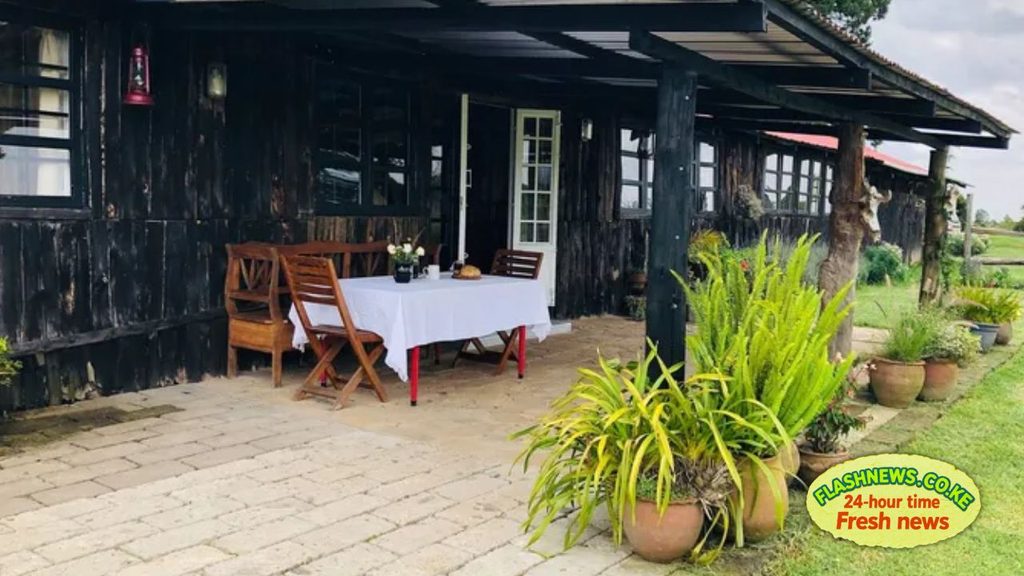
Short-stay apartments have become an alternative to traditional hotels for visitors seeking furnished accommodation, privacy and flexible booking arrangements.
However, the growing popularity of online accommodation listings also requires travellers to be more careful about the people and businesses they deal with.
The reported KSh130,000 loss in the Nyali case highlights the financial risks associated with making accommodation payments without proper verification.
As investigations continue, the DCI has urged holidaymakers to remain vigilant and ensure that their bookings are legitimate before sending money.
Kenyans planning December holidays at the Coast are therefore advised to prioritise verified accommodation arrangements rather than rushing to secure attractive online offers.