






KICD says more than 300 approved textbooks and literary materials are ready for senior schools, warning teachers, parents and school administrators against using unapproved learning resources.
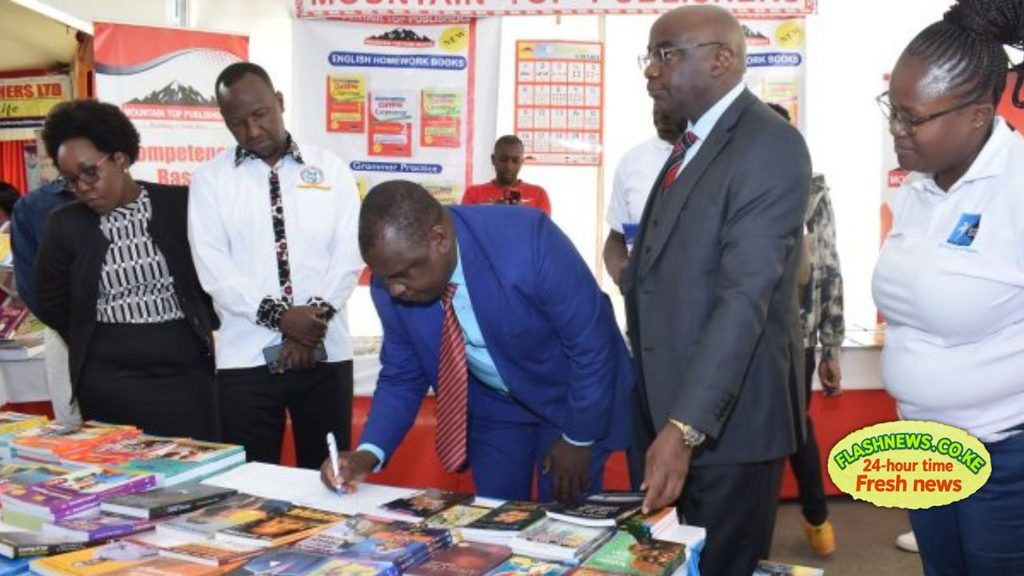
The Ministry of Education has begun distributing approved Grade 11 textbooks and literary materials to senior schools as Kenya prepares for the next phase of the Competency-Based Education (CBE) curriculum in January 2027.
The Kenya Institute of Curriculum Development (KICD) announced that it had completed the evaluation and procurement processes for the learning materials ahead of the transition of the current Grade 10 learners to Grade 11.
The approved list contains more than 300 titles covering a wide range of subjects, including Mathematics, English, Kiswahili, French, Agriculture, Physics, Biology, Chemistry, Information and Communication Technology (ICT), Home Science, Electricity and Metal Work.
The materials include learners’ books, teachers’ guides, literary works and reference resources designed to support teaching and learning under the competency-based system.
The rollout is expected to help schools prepare for the incoming Grade 11 cohort while ensuring that learners and teachers have access to curriculum-aligned materials before the new academic year begins.
KICD issues warning over unapproved textbooks
As distribution gets underway, KICD has cautioned school administrators, teachers, parents and other education stakeholders against purchasing or using textbooks and supplementary learning materials that have not received official approval.
The institute warned that the use of unapproved curriculum support materials in schools contravenes the law and could expose those responsible to legal action.
In a notice issued on Tuesday, October 6, KICD cited Section 27 of the Kenya Institute of Curriculum Development Act, 2013, as the legal provision governing the use of approved curriculum materials.
“Use of unapproved textbooks is in contravention of Section 27 of the KICD Act 2013, and anyone found culpable will face the full force of the law,” the institute stated.
Teachers have also been advised to ensure that books recommended to parents appear on the official KICD-approved list, commonly known as the Orange Book.
The warning places responsibility on schools and educators to verify the status of learning materials before recommending them for classroom use or asking parents to purchase them.
Textbook distribution schedule announced
KICD said the distribution exercise would continue until October 23, after which it would pause to accommodate the national examinations.
Distribution is scheduled to resume on weekdays after the examinations and continue until December 23.
School principals have been instructed to ensure that staff members are available to receive the deliveries when the books arrive at their institutions.
The directive is intended to help schools receive and account for the materials in preparation for the January 2027 transition.
Schools have also been advised to monitor the quantities delivered against their learner enrolment figures to identify any shortages or discrepancies.
Schools told to report missing or insufficient books
KICD has directed schools that have not received their government-distributed textbooks by mid-January 2027 to contact the institute for assistance.
The same guidance applies to institutions that receive quantities that do not correspond with the number of learners enrolled.
The instruction is intended to help the institute address distribution gaps and ensure that schools receive the learning resources allocated to them.
Accurate enrolment records will be important in determining the quantities required by individual schools as the education system moves towards the next stage of senior school under CBE.
Rollout comes amid concerns over textbook wastage
The Grade 11 distribution exercise comes amid concerns raised by the Kenya Literature Bureau (KLB) over the potential loss of learning materials following changes associated with the Competency-Based Education curriculum.
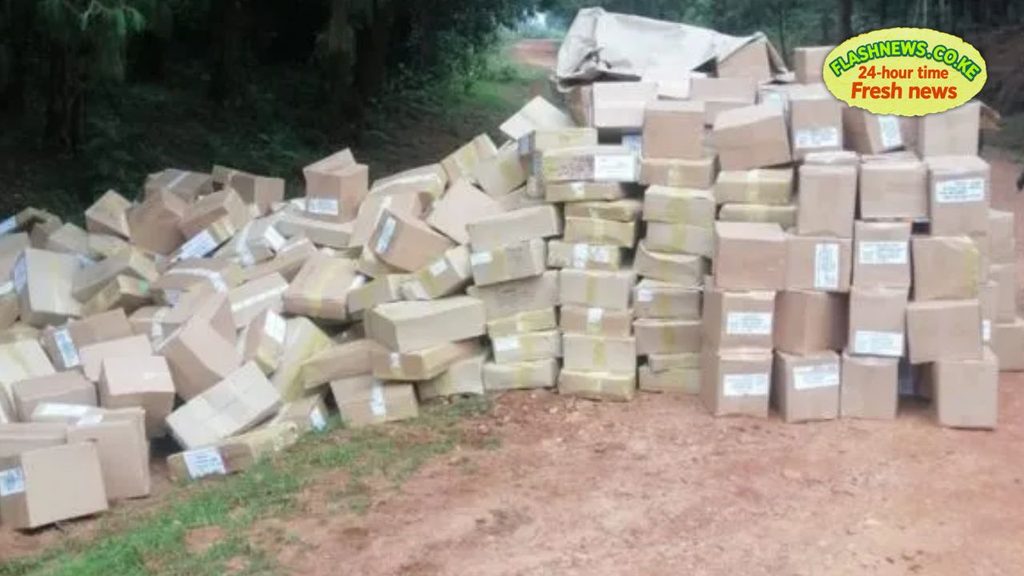
KLB previously warned that learning materials estimated to be worth KSh600 million could become unused as curriculum adjustments affect the relevance of previously produced resources.
The concerns have drawn attention to the financial implications of curriculum transitions, particularly the need to align textbook production, procurement and distribution with changing educational requirements.
The latest rollout therefore places renewed focus on ensuring that approved materials reach the intended schools on time and that public resources are directed towards books that support the curriculum currently being taught.
As preparations for January 2027 continue, schools are expected to follow KICD’s approved materials list, coordinate the receipt of textbooks and report any delivery problems before the new academic year begins.
Also Read: Court Rules Title Deed Alone Is Not Enough to Prove Land Trespass