

EPRA Announces New Electricity Charges as Kenyans Face Higher Power Bills in June





Kenyans are set to pay more for electricity this month after the Energy and Petroleum Regulatory Authority (EPRA) announced fresh monthly adjustments that will add nearly Ksh4 to the cost of every unit of power consumed.
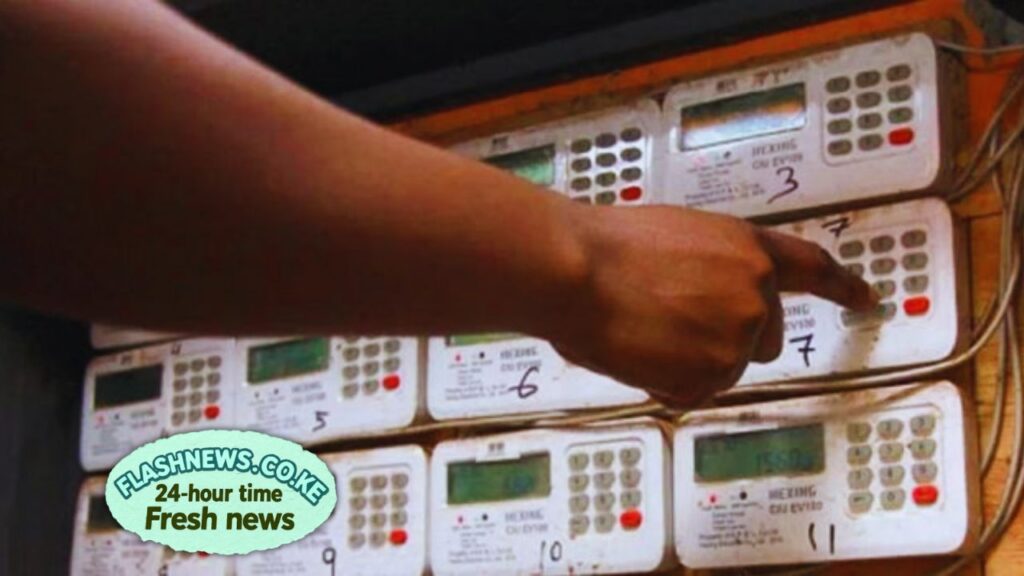
In a notice published on Friday, June 19, EPRA confirmed that electricity consumed during meter readings taken in June 2026 will attract additional charges, including a foreign exchange fluctuation adjustment, fuel energy cost charge, and a levy payable to the Water Resources Management Authority (WRMA).
The regulator stated that consumers will pay a foreign exchange fluctuation charge of 71.54 cents per kilowatt-hour (kWh), a fuel energy cost charge of 314 cents per kWh, and a WRMA levy of 1.42 cents per kWh.
“All electricity prices specified under the 2023 Schedule of Tariffs will attract a Fuel Energy Cost Charge of 314 Kenya cents per kWh for meter readings taken in June 2026,” EPRA announced in its latest tariff adjustment notice.
The fuel charge represents the largest component of the increase, accounting for Ksh3.14 per unit. When combined with the forex adjustment and the WRMA levy, consumers will effectively pay an additional Ksh3.87 for every unit of electricity purchased.
The latest adjustments are expected to push up electricity costs for households, businesses, and industries already grappling with a high cost of living and operational expenses.
Why Power Bills Are Increasing

According to EPRA, the foreign exchange adjustment is intended to recover approximately Ksh779 million in currency-related losses incurred across the electricity sector over the past month.
Independent Power Producers (IPPs) accounted for the largest share of the losses at Ksh663 million, representing nearly 85 per cent of the total amount.
Meanwhile, Kenya Power recorded foreign exchange losses of Ksh85 million, while Kenya Electricity Generating Company (KenGen) reported losses amounting to Ksh31 million.
The forex charge is a recurring component of electricity bills because many power purchase agreements signed between electricity producers and distributors are denominated in foreign currencies, particularly the US dollar.
As a result, fluctuations in exchange rates are transferred to consumers through monthly electricity bill adjustments whenever the Kenyan shilling weakens against major international currencies.
Fuel Costs Continue to Drive Up Electricity Prices
The fuel energy charge is linked to the cost of running thermal power plants and purchasing imported electricity.
EPRA indicated that higher fuel expenses incurred by several diesel-powered generating stations contributed significantly to the latest increase.
Although Kenya has increasingly relied on renewable energy sources such as geothermal, hydroelectric, wind and solar power, thermal generation remains part of the country’s electricity mix, particularly during periods of high demand or reduced renewable generation.
Additional WRMA Levy
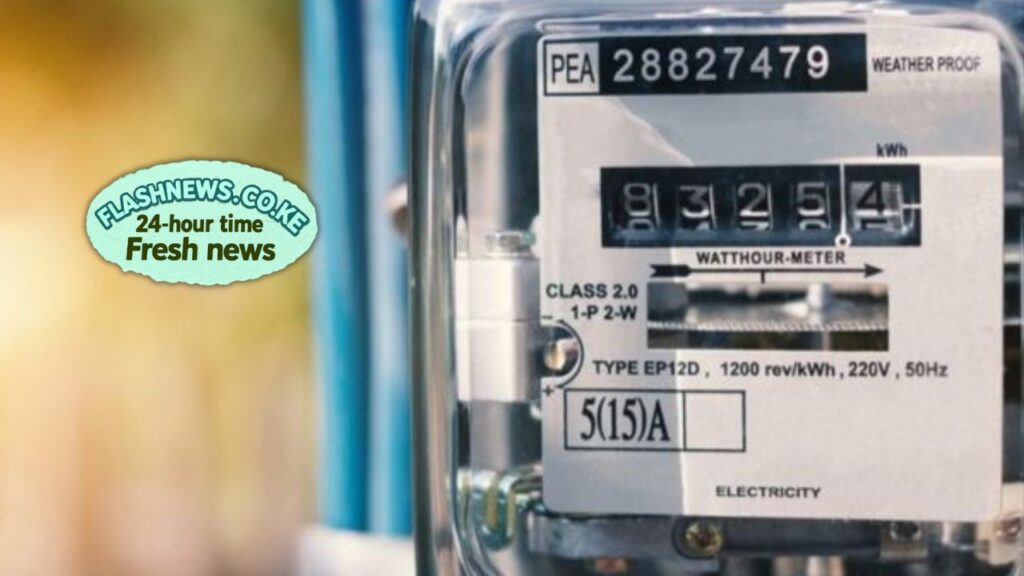
Consumers will also continue paying the Water Resources Management Authority levy, which is calculated based on electricity generated by major hydropower facilities across the country.
The levy applies to power generated from key hydroelectric stations including Gitaru, Kamburu, Kiambere, Kindaruma, Masinga, Turkwel and Sondu Miriu.
While each individual charge may appear relatively modest, energy analysts note that the combined effect can significantly increase monthly electricity expenses, especially for households and businesses with high power consumption.
The announcement comes at a time when concerns over the rising cost of electricity remain a major issue for consumers, with business groups repeatedly calling for reforms to reduce power costs and improve Kenya’s competitiveness.
Also Read: High Court Announces 46-Day August Recess, Urgent Matters to Proceed