






A fire has broken out at Nairobi National Park near the Southern Bypass and Inland Container Depot (ICD) Road junction, raising concerns about wildlife, vegetation and the potential spread of the blaze.
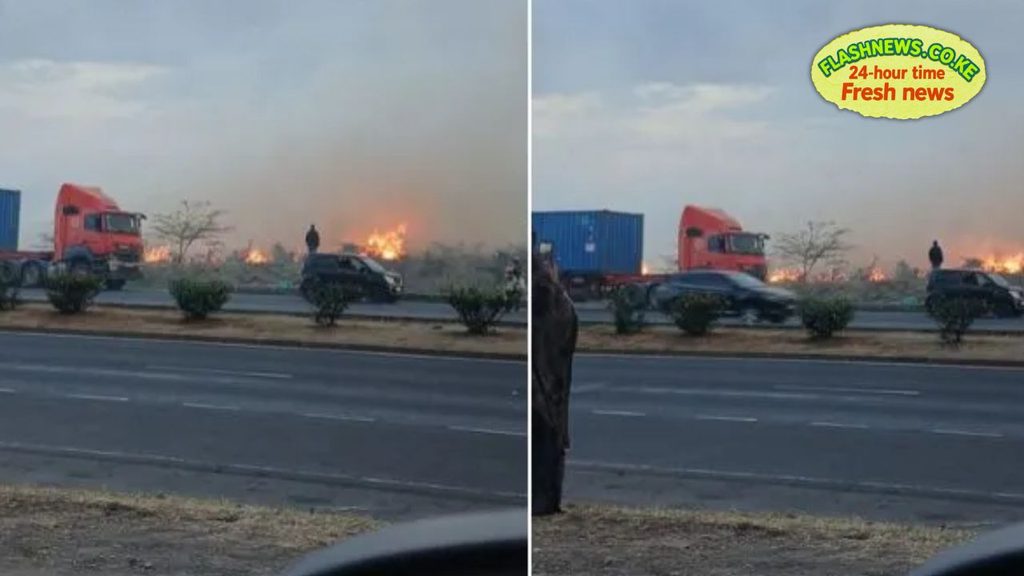
The fire was also reported near The Curve Hotel, with smoke rising from the affected section of the park. The extent of the damage and the areas affected were not immediately established.
The cause of the Nairobi National Park fire remains unknown.
Firefighters Respond as Motorists Raise Concerns
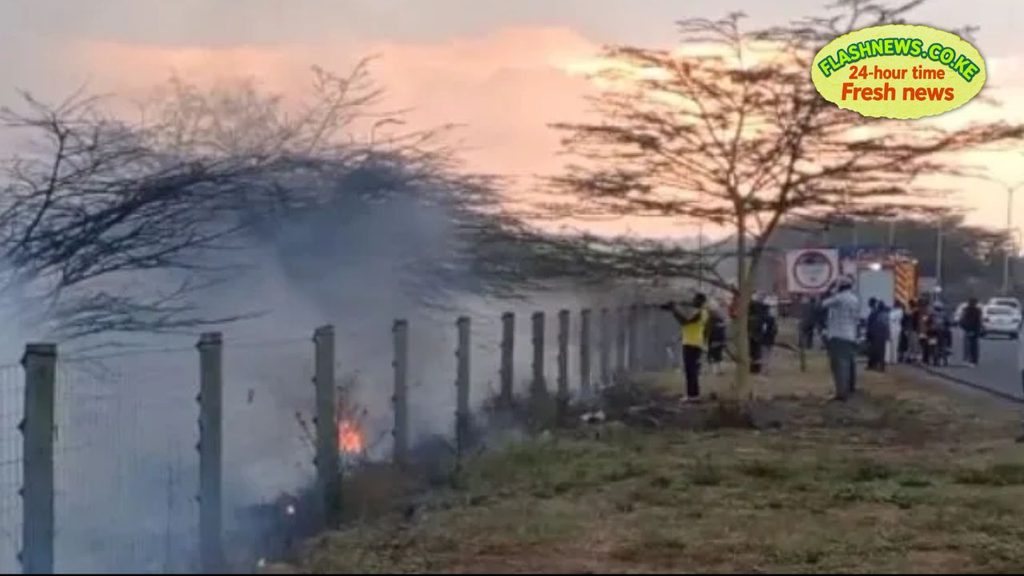
Firefighters were reportedly responding to the blaze, with efforts focused on containing the fire and preventing it from spreading to other sections of the park.
Motorists using the Southern Bypass called on the Kenya Wildlife Service (KWS) and emergency response teams to intervene and help bring the situation under control.
The incident has drawn attention to the vulnerability of the wildlife sanctuary, particularly during periods of hot and dry weather when vegetation can become more susceptible to fires.
By the time of publication, the Kenya Wildlife Service had not issued an official statement on the incident, according to the information available to this newsroom.
Previous Fire at Nairobi National Park Disrupted SGR Services
The latest incident comes after a similar fire was reported at Nairobi National Park near Mlolongo in February 2025.
Photographs from that incident showed flames rising above the vegetation as thick black smoke billowed into the sky.
The earlier fire also disrupted Madaraka Express passenger services between Nairobi and Mombasa after affecting the Standard Gauge Railway (SGR) line between Nairobi Terminus and Athi River.
The disruption highlighted the potential for fires in and around the park to affect not only wildlife and vegetation but also transport infrastructure and nearby communities.
However, it remains unclear whether the latest blaze has affected any railway infrastructure or transport services.
Hot and Dry Weather Raises Fire Concerns in Nairobi
The fire comes amid reports of hot and dry weather conditions in several parts of Kenya.
The Kenya Meteorological Service had forecast daytime temperatures of up to 29°C in Nairobi, with temperatures expected to vary throughout the forecast period.
According to the weather information cited in earlier reports, daytime temperatures were expected to range between 27°C and 28°C on some days, while night-time temperatures could fall to around 10°C early in the week.
Hot weather can increase the risk of vegetation fires, particularly when dry grass, shrubs and other plant material provide fuel for flames.
However, weather conditions alone do not establish the cause of the current fire. Investigations or an official statement would be needed to determine how the blaze started.
Fires in parks and forests can result from several factors, including unattended fires, discarded cigarettes, deliberate burning and other accidental or natural causes.
What the Fire Could Mean for Wildlife
Nairobi National Park is one of Kenya’s most distinctive wildlife destinations because it sits on the outskirts of the capital, close to major roads, businesses and residential areas.
The park provides a habitat for a variety of wildlife, including lions, leopards, rhinos and buffaloes, alongside numerous other animal and bird species.
If a fire spreads across a large area, it can destroy grassland, shrubs and other vegetation that wildlife depends on for food and shelter. Smoke and flames may also force animals to move away from affected areas.
The potential impact would depend on the size of the fire, its duration, the vegetation affected and the proximity of the flames to wildlife habitats.
At this stage, the extent of any damage to wildlife or the park’s ecosystem has not been established.
Why Quick Fire Response Is Important
Rapid intervention is important when fires break out in protected wildlife areas, especially where dry vegetation can allow flames to spread.
Firefighters, park personnel and other emergency teams may need to work together to assess the affected area, contain the blaze and prevent further damage.
Members of the public should avoid entering affected areas or approaching active flames to take photographs. Motorists travelling near the Southern Bypass and ICD Road junction should also remain alert to smoke, follow directions from emergency personnel and avoid obstructing response vehicles.
The Kenya Wildlife Service is the relevant authority for updates concerning the park, wildlife safety and any restrictions that may be introduced following the incident.
Nairobi National Park Fire: What We Know So Far
- Location: Nairobi National Park, near the Southern Bypass and ICD Road junction.
- Nearby landmark: The Curve Hotel.
- Cause: Not yet established.
- Response: Firefighters were reportedly responding to contain the blaze.
- Official statement: No KWS statement was available at the time described in the original report.
- Wildlife impact: The extent of any damage has not been confirmed.
- Transport impact: No impact from the latest fire on SGR services was established in the available information.
Conclusion
The fire at Nairobi National Park near the Southern Bypass has raised concerns about the safety of the park’s vegetation and wildlife. While firefighters were reportedly responding to the incident, the cause of the blaze, the extent of the damage and its impact on animals remain unclear.
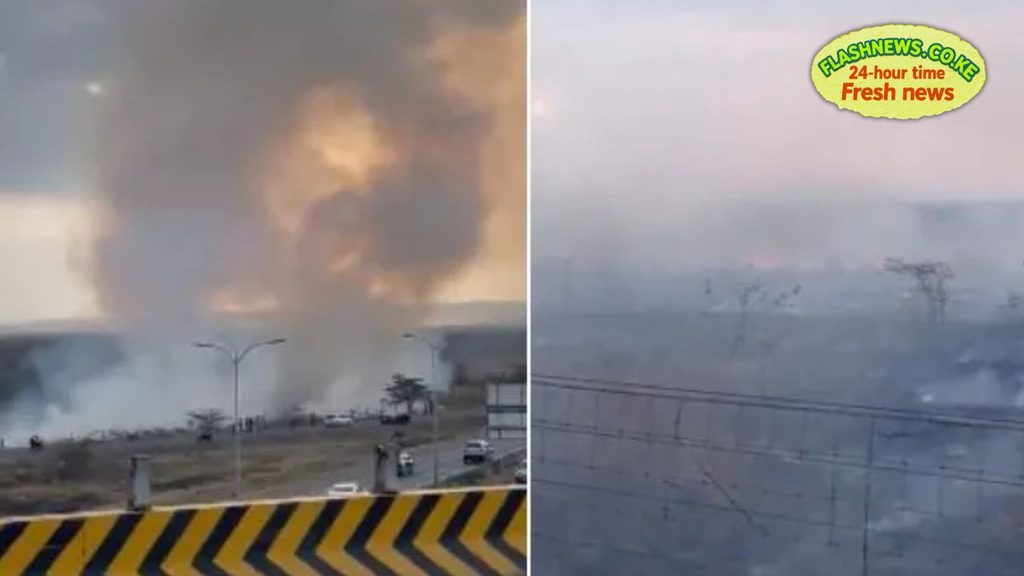
Further information from the Kenya Wildlife Service and emergency response teams will be important in establishing what happened and whether additional measures are needed to protect the park.
Flash News will provide further updates as verified information becomes available.