






Transport operators across Kenya have issued a stark warning to the government, demanding urgent intervention to tame soaring fuel prices — or face nationwide disruption.
In a strongly worded ultimatum delivered on Monday, April 20, industry players called for immediate price caps, proposing diesel be fixed at Ksh140 per litre and petrol at Ksh150, following the latest price review that pushed costs to new highs.
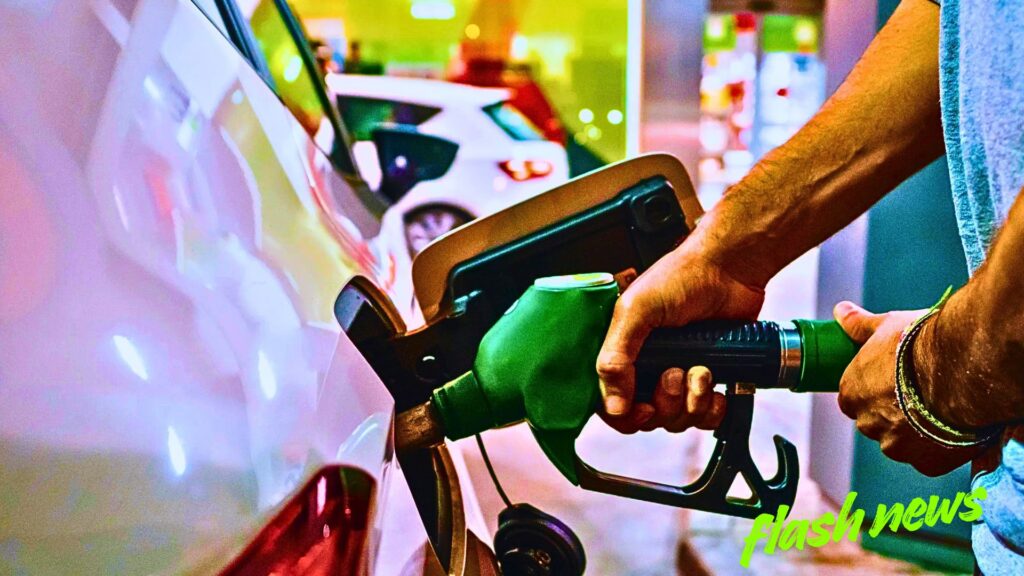
The demands were unveiled after an emergency meeting in Nairobi convened by the Transport Sector Forum, led by the Motorist Association of Kenya (MAK). The gathering brought together a broad coalition of stakeholders, including matatu owners, truck operators, boda boda riders, and cargo hauliers, all united in what they described as a “crisis response.”
“We can no longer sustain operations under the current pricing regime,” the group said in a joint statement. “Failure to address these concerns will leave us with no option but to consider mass action.”
🔧 Push for State-Controlled Fuel Supply
Central to their proposals is a call for the National Oil Corporation of Kenya (NOCK) to be designated the sole handler of all Government-to-Government (G-to-G) fuel imports.
According to the forum, the current multi-player system has created loopholes that encourage market manipulation, artificial shortages, and exploitation by intermediaries.
“We propose that NOCK be designated as the primary source for G-to-G fuel deals,” the statement read. “This measure is crucial to cushion members from artificial shortages, combat fuel adulteration, and eliminate other forms of exploitation prevalent in the market.”
💸 Subsidies and Pricing Shake-Up
The group is also pushing for the immediate reinstatement of fuel subsidies, arguing that existing reserve funds should be used to stabilise prices and shield operators from unpredictable spikes.
They further criticised the monthly fuel pricing mechanism managed by the Energy and Petroleum Regulatory Authority (EPRA), calling for its abolition and replacement with the former Energy Regulatory Commission (ERC) model.
Stakeholders claim the previous system relied on a transparent, scientific formula, while the current one is “increasingly influenced by political considerations.”
“We are demanding a return to a predictable and transparent framework, with stakeholder participation in price setting,” the group added.
📉 Sector Under Pressure
Transport operators warned that rising fuel costs have triggered a ripple effect across the industry, driving up the price of tyres, lubricants, and spare parts — and squeezing already thin margins.
“The current volatile fuel pricing regime has inflicted immense losses across the transport sector,” the statement noted, highlighting particular strain on businesses that depend on advance pricing and contracts.
⏳ Call for Stability
Among other demands is a requirement for at least three months’ notice before any future fuel price increases take effect — a move they say would allow businesses to plan and adjust accordingly.
The forum has now formally requested an urgent meeting with Energy and Petroleum Cabinet Secretary Opiyo Wandayi, as pressure mounts on the government to respond.
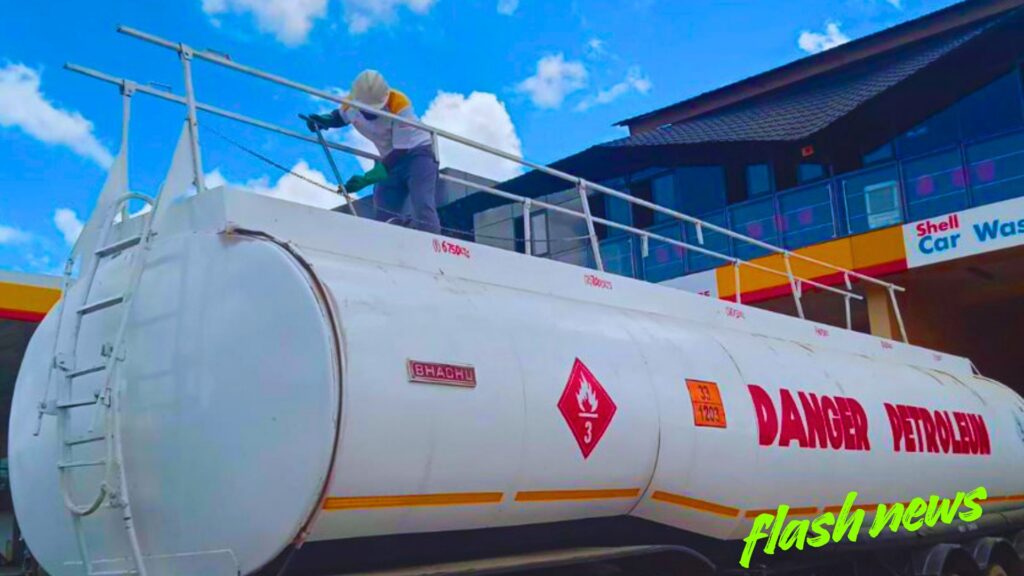
With all major transport bodies aligned, the standoff signals a potentially turbulent period ahead if no resolution is reached.
ALSO Read: Cherargei defends Gaucho over hospital board role amid qualifications debate