






Motorists in Kenya could take to the streets over rising fuel prices, with the Motorists Association of Kenya (MAK) threatening peaceful protests unless the government addresses concerns over petroleum pricing and opens up the controversial Government-to-Government (G-to-G) fuel importation arrangement to independent scrutiny.
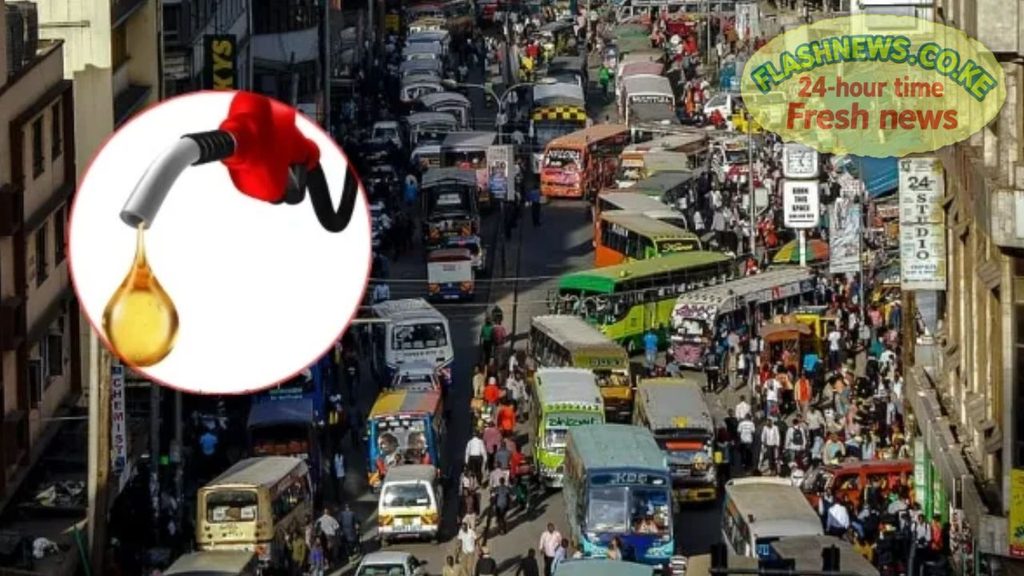
In a statement issued on Wednesday, October 14, 2026, MAK said it would consult its members on coordinated public mobilisation, accusing the government and the Energy and Petroleum Regulatory Authority (EPRA) of failing to adequately explain the latest increases in pump prices.
The association is demanding an independent review of the October-November fuel price adjustments, a comprehensive audit of the G-to-G petroleum importation arrangement and the publication of detailed calculations used to determine retail fuel prices.
It has also called for the disclosure of receipts, disbursements and stabilisation balances under the Petroleum Development Levy Fund, alongside a review of taxes and levies imposed on petroleum products.
The threat comes amid growing concern over the latest fuel price increases, which have raised questions about the costs passed on to motorists, transport operators and households.
Motorists question sharp kerosene price increase
One of MAK’s main concerns is the increase in kerosene prices, which rose by KSh28.49 per litre in the latest review, compared with KSh12.93 for petrol and KSh9.90 for diesel.
The association questioned the disparity, arguing that EPRA should explain how the different landed costs, taxes, freight charges, insurance, distribution margins and stabilisation adjustments contributed to the final prices.
MAK wants the regulator to publish detailed evidence showing how each component was calculated and why the increases differed across the three petroleum products.
The association also challenged EPRA to demonstrate whether the G-to-G fuel importation arrangement has delivered measurable savings to consumers.
It wants information on supplier premiums, financing costs and other expenses associated with the arrangement to be made available for independent examination.

“An explanation is not scientific merely because it contains figures. It becomes scientific when its assumptions, methodology and calculations can be independently examined and reproduced,” MAK said.
Association demands publication of fuel pricing calculations
Beyond questioning the latest increases, MAK wants EPRA to release detailed pricing worksheets showing the international benchmarks, landed costs, exchange rates, freight charges, taxes and other adjustments used to arrive at pump prices.
The association argues that making the calculations public would allow independent experts and consumers to assess whether the final prices accurately reflect the underlying costs.
It has also called for greater transparency in the management of the Petroleum Development Levy Fund, including the amounts collected, how the money has been spent and the balances available for fuel price stabilisation.
The demands place renewed scrutiny on the government’s petroleum pricing framework at a time when higher fuel costs are putting pressure on transport expenses and the cost of living.
MAK challenges kerosene pricing policy
MAK has separately questioned the rationale behind the sharp kerosene price increase, arguing that using higher prices to discourage fuel adulteration could unfairly burden households that rely on the product.
The association maintains that authorities should strengthen enforcement against those involved in fuel adulteration rather than place additional pressure on ordinary consumers.
It wants Parliament, the Auditor-General and the Competition Authority of Kenya (CAK) to examine petroleum procurement and pricing arrangements, including whether the G-to-G system has achieved its intended benefits.
The proposed scrutiny would focus on the transparency of procurement costs, the calculation of pump prices and the extent to which any savings are passed on to consumers.
Protests could follow if concerns remain unresolved
The association said it would consult its members before deciding on coordinated public action, but it did not announce a date for the proposed demonstrations.
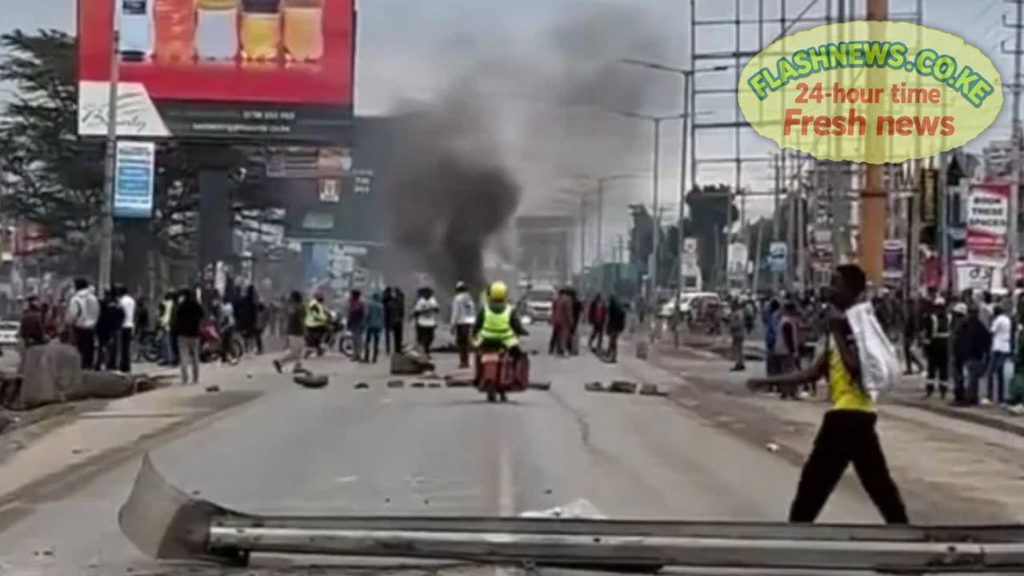
The warning comes months after motorists and transport stakeholders staged protests over fuel prices in May 2026.
If MAK proceeds with its plans, the demonstrations could add to pressure on the government and EPRA to explain the latest price adjustments and provide greater transparency over the petroleum importation system.
For now, the association’s demands centre on an independent audit, public disclosure of pricing calculations and a review of taxes and levies. Whether the government or regulator will respond to the demands remains to be seen.
Also Read: Parliament Moves to Extend 8% Fuel VAT as Kenyans Face Fresh Pump Price Hikes