






Kenyans could continue paying reduced Value Added Tax (VAT) on petrol, diesel and kerosene for another three months after the National Assembly passed a Bill seeking to extend the relief amid rising fuel prices and growing pressure on household budgets.
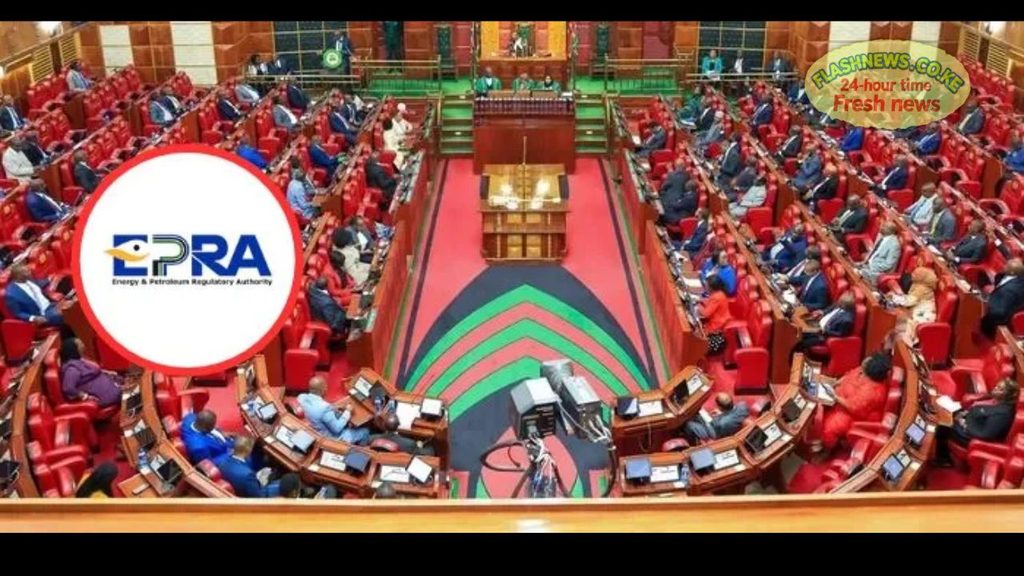
The Tax Laws (Amendment) Bill, 2026, sponsored by National Assembly Majority Leader Kimani Ichung’wah, seeks to maintain the VAT rate on petroleum products at 8 per cent instead of allowing it to revert to the standard rate of 16 per cent.
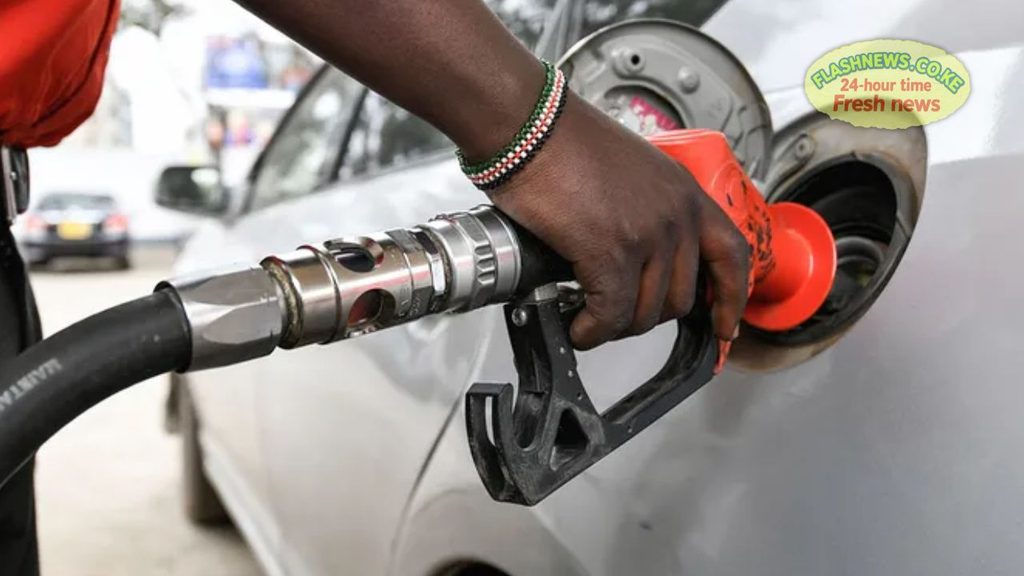
The proposed extension comes after the Energy and Petroleum Regulatory Authority (EPRA) announced sharp increases in fuel prices, raising the cost of petrol by KSh12.93 per litre, diesel by KSh9.90 and kerosene by KSh28.49 in its latest monthly review.
Under the revised prices, super petrol retails at KSh226.96 per litre in Nairobi, while diesel costs KSh227.76 and kerosene KSh219.87.
In Mombasa, petrol sells at KSh223.81 per litre, diesel at KSh224.61 and kerosene at KSh216.71.
The proposed tax relief is intended to cushion consumers against further increases in fuel-related expenses, which can also push up transport fares, food prices and the cost of doing business.
Ichung’wah seeks another 90 days of fuel tax relief
Moving the Bill on Wednesday, October 14, Ichung’wah said the extension would provide another 90 days of relief as the government monitors developments in the Middle East.
He explained that the proposed changes would also allow the Cabinet Secretary for the National Treasury to extend the relief by a further three months if the conflict continued to disrupt international oil markets.
“We need to amend the VAT Act to extend the reduced rate for another 90 days, in the hope that the war in the Middle East will come to an end,” Ichung’wah said.
The proposal would therefore allow the reduced VAT rate to remain in place for up to six additional months, subject to the conditions set out in the Bill.
The move comes as international oil prices face pressure from geopolitical tensions, including the conflict involving the United States, Israel and Iran, which has raised concerns about supply disruptions and the cost of importing petroleum products.
EPRA decision draws attention to fuel stabilisation measures
The latest price increases have also drawn attention to the government’s fuel price stabilisation measures and the decision not to deploy available funds to cushion consumers during the latest pricing cycle.
EPRA Director-General Edward Mwirigi reportedly said the authority had opted against using the available stabilisation funds, explaining that the money could be retained to protect consumers in future pricing cycles if international prices rose further.
During Wednesday’s briefing, an official identified in the report as Kinyua said international petrol prices had climbed sharply since the conflict began.
“September has been the worst month ever since this war broke out. Super petrol has reached USD1,300 per metric tonne from the initial USD600 per metric tonne,” Kinyua told journalists on October 14.
The figures highlight the pressure facing petroleum import costs, although the final prices paid by consumers also depend on exchange rates, taxes, distribution costs and other components included in EPRA’s monthly calculations.

Kimani Kuria cites KSh54 billion revenue sacrifice
National Assembly Finance Committee Chairperson Kimani Kuria backed the proposed extension, pointing to continuing geopolitical tensions and their effects on global oil prices.
He said higher fuel costs have implications beyond the pump, affecting transport, manufacturing, production expenses and the general cost of living.
Kuria also said the government had forgone approximately KSh54 billion in revenue over the preceding six months through fuel tax relief measures.
The proposed extension would represent a further effort to shield consumers from the effects of elevated petroleum costs, although the reduction in VAT would not necessarily reverse the latest pump price increases.
What the proposed extension means for motorists
If the Bill becomes law, the reduced 8 per cent VAT rate would continue beyond the current relief period, helping to limit the tax burden on petroleum products.
However, motorists should not assume that an extension would automatically lead to lower pump prices. The amount consumers pay will continue to depend on international petroleum prices, the exchange rate, taxation and other costs factored into EPRA’s monthly reviews.
For households and businesses already dealing with higher transport and operating expenses, the proposal offers the prospect of continued tax relief as the government responds to uncertainty in international energy markets.
Also Read: Kalonzo Musyoka Arrives in London Ahead of High-Level Engagements