






Gachagua’s Lawyers Challenge Impeachment Judgment, Claim Key Pages and Judges’ Signatures Are Missing
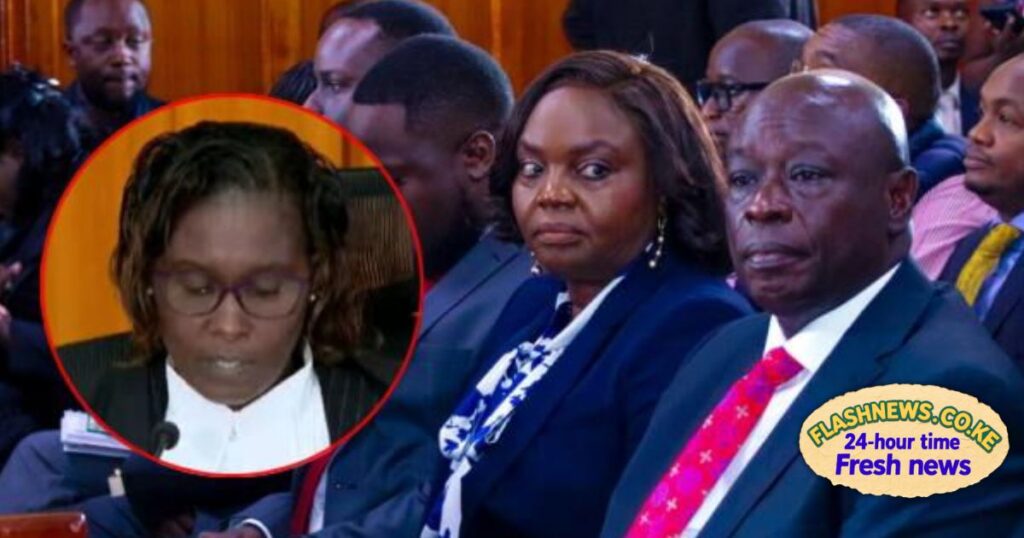
Former Deputy President Rigathi Gachagua’s legal team has launched a fresh challenge against the High Court judgment that upheld his impeachment, alleging serious irregularities in the official ruling issued to parties after its delivery.
The dispute centres on a judgment arising from consolidated constitutional petitions challenging Gachagua’s impeachment, which were heard and determined by a three-judge bench comprising Justices Eric Ogola, Anthony Mrima, and Freda Mugambi.
In a letter addressed to the court registry, Gachagua’s lawyers claim the judgment supplied to advocates differs significantly from the version that was read in open court on June 8, raising concerns over the completeness and authenticity of the court record.
According to the lawyers, Justice Ogola informed advocates during the proceedings that the court was delivering a comprehensive 350-page judgment. However, the version subsequently provided to the parties reportedly contains only 286 pages.
The legal team argues that the discrepancy leaves 64 pages unaccounted for.
“During the delivery of the judgment, the court expressly stated that it was rendering a 350-page decision. The version later supplied to the parties contains only 286 pages, leaving a significant gap that requires urgent clarification,” the lawyers stated.
They further contend that the missing pages raise fundamental questions regarding the integrity of the official judgment, particularly given the political significance of the case and the public interest it has attracted.
The lawyers also reportedly questioned whether all members of the three-judge bench properly signed the judgment that was eventually circulated to the parties.
“The discrepancy raises concerns regarding the completeness and authenticity of the official judgment record,” the legal team argued, warning that any unexplained deviation could undermine public confidence in the administration of justice.
The judgment in question was delivered after nearly ten hours of court proceedings and addressed multiple constitutional issues arising from Gachagua’s impeachment by Parliament.
The matter now places renewed focus on the court registry, which may be required to clarify whether the alleged differences stem from a clerical error, a procedural issue, or a substantive alteration to the final judgment.
The controversy comes days after People’s Liberation Party (PLP) leader Martha Karua publicly expressed concern over what she described as inconsistencies in judicial decisions involving politically sensitive matters.
Speaking during a recent public forum, Karua cited her experience challenging the outcome of the 2017 Nyeri gubernatorial election, arguing that contradictions in court processes had eroded public trust in parts of the justice system.
She recounted how her petition moved through the High Court, the Court of Appeal, and ultimately the Supreme Court, claiming that despite concerns being raised over procedural gaps and missing materials, the case was eventually dismissed.
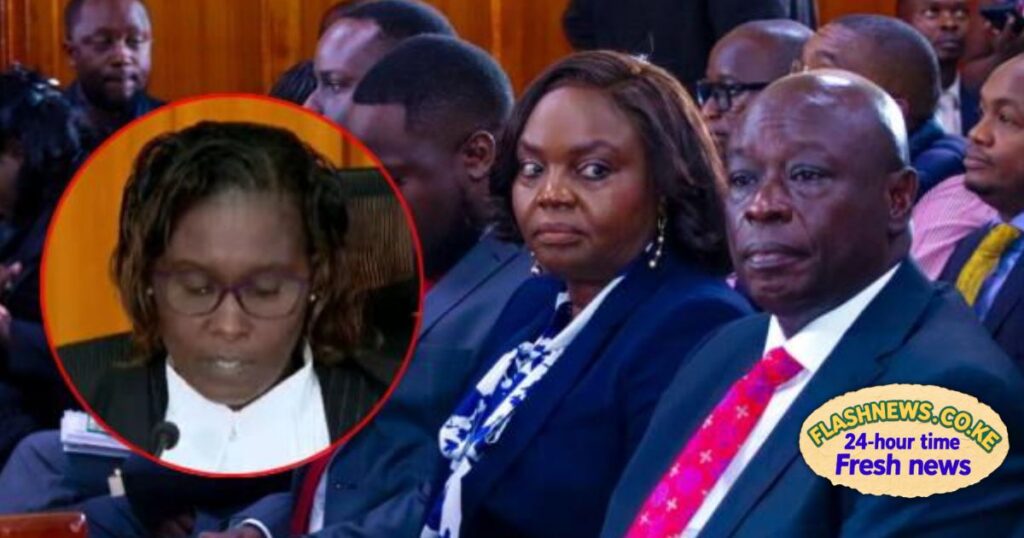
Karua urged courts to maintain strict adherence to legal procedures, particularly in matters carrying significant constitutional and political implications.
Meanwhile, Gachagua’s legal team is demanding immediate access to what they describe as the complete 350-page judgment allegedly read before the court, insisting that all parties are entitled to an accurate and fully authenticated record of the decision.
The latest development threatens to open a new legal battle over the handling of one of Kenya’s most closely watched constitutional cases, even as the fallout from Gachagua’s impeachment continues to reverberate across the country’s political landscape.
Also Read: U.S. Commits Ksh6.5 Billion to Develop Ebola Countermeasures as DRC Outbreak Worsens