

High Court Halts LSK Judges’ Boycott as Court Issues Fresh Orders





The High Court has temporarily blocked the Law Society of Kenya (LSK) from disrupting court proceedings involving judges and judicial officers targeted by its boycott, dealing a fresh blow to the lawyers’ protest.
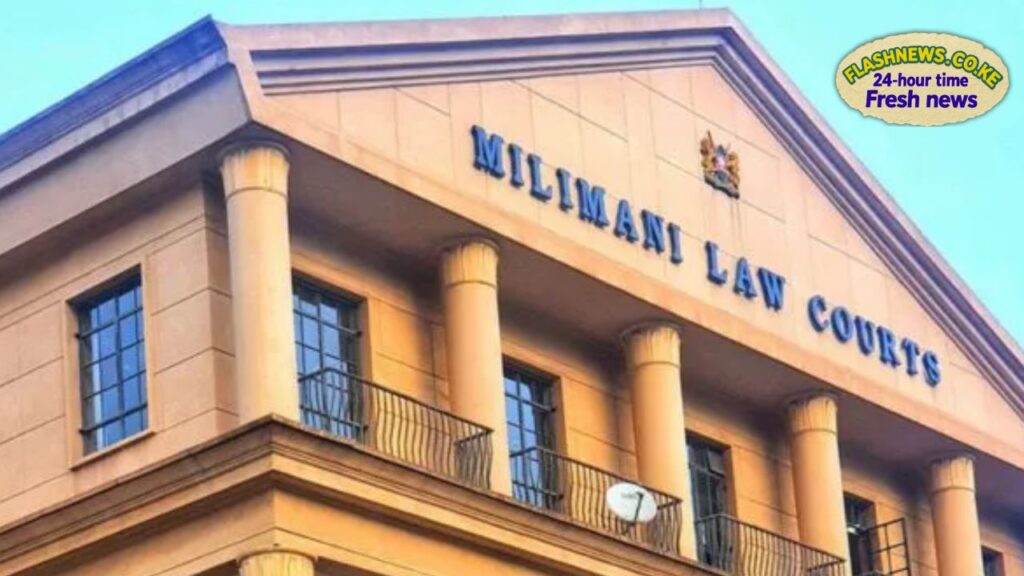
The court issued conservatory orders on Monday, August 3, restraining the LSK from disrupting or interfering with proceedings before the judges named in its boycott directive or any other judge or judicial officer.
Justice David Mburu said the interim measures were necessary to safeguard the administration of justice and ensure court proceedings continue without interruption while the court considers a preliminary objection challenging its jurisdiction.
The orders will remain in force until September 17, when the matter is expected to come up for further determination.
“There will be an interim conservatory order restraining the respondent from disrupting and/or interfering with court proceedings before the judges mentioned in their communication or any other Judge and Judicial Officer pending the hearing of the PO,” Justice Mburu ruled.
The decision follows a petition filed by lawyer Adrian Kamotho challenging the legality of the LSK’s nationwide and targeted boycott of court proceedings.
Kamotho has argued that the boycott, which targets Chief Justice Martha Koome, Deputy Chief Justice Philomena Mwilu and several other judges and judicial officers, is unconstitutional and could undermine litigants’ constitutional right to access justice.
The case has placed the LSK and the Judiciary on opposing sides of an increasingly tense dispute over judicial accountability, independence and the handling of complaints against members of the Judiciary.
Lawyers representing interested parties, including judges affected by the boycott, opposed the LSK’s directive, arguing that the action interferes with the administration of justice and could have serious consequences for litigants whose cases are pending before the affected courts.
JSC raises alarm over tensions
The Judicial Service Commission (JSC) also raised concerns during the proceedings, telling the court that judges and magistrates serving as commissioners had been operating under fear amid the escalating dispute.
The commission urged the court to take judicial notice of the circumstances surrounding the dispute, as pressure mounted over the confrontation between the legal profession and the Judiciary.
The latest court order comes weeks after the LSK announced an unprecedented nationwide boycott of court proceedings.
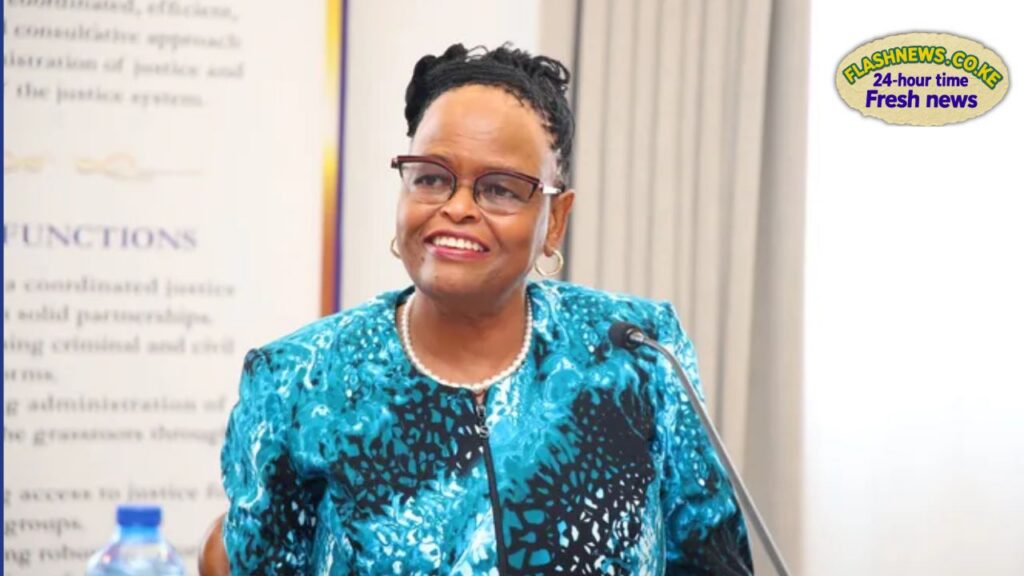
The society also announced an indefinite targeted boycott of courts presided over by Chief Justice Koome, Deputy Chief Justice Mwilu and other judicial officers named in its communication.
Why did LSK call the boycott?
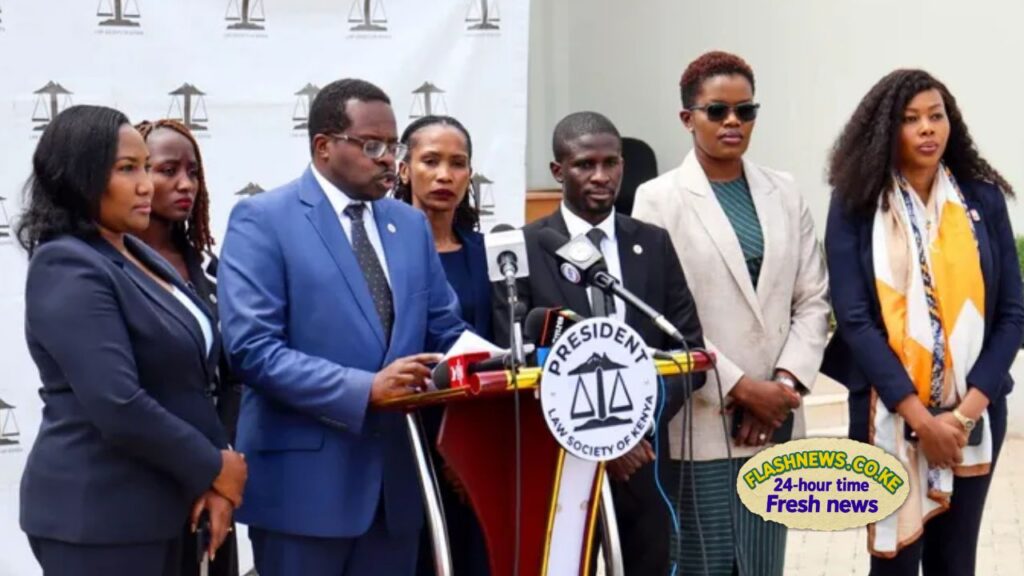
The LSK said its decision was driven by long-standing concerns over the administration of justice and what it described as persistent difficulties in securing accountability within the Judiciary.
The society claimed that complaints against certain judges had faced significant obstacles and alleged that some judges had obtained court orders preventing investigations by the Judicial Service Commission and the Ethics and Anti-Corruption Commission.
The allegations have intensified an already heated debate over judicial accountability and whether existing mechanisms are capable of dealing with complaints against judicial officers effectively.
However, opponents of the boycott have maintained that whatever concerns exist within the Judiciary should be addressed through lawful mechanisms rather than actions that could disrupt court proceedings.
They have also warned that a prolonged boycott could leave ordinary litigants caught in the middle, potentially delaying hearings and denying people timely access to justice.
What happens next?
Justice Mburu’s interim orders mean that, for now, proceedings before the targeted judges and other judicial officers can continue without interference from the LSK.
The immediate focus will now shift to the preliminary objection challenging the High Court’s jurisdiction to hear the case.
The matter is expected to return to court on September 17, when the interim orders are due for consideration.
The eventual decision could have far-reaching implications for the dispute and determine whether the LSK’s controversial boycott can continue.
It could also set an important precedent on the limits of lawyers’ collective action, judicial independence and the constitutional right of litigants to have their cases heard without disruption.
Also Read: Kaguchia arrest: Babu Owino accuses government of threatening free speech