






A sophisticated US investigation into an alleged international drug trafficking network has stretched across several countries and led American authorities to Kenya, where a suspect was arrested and later extradited to face charges in the United States.
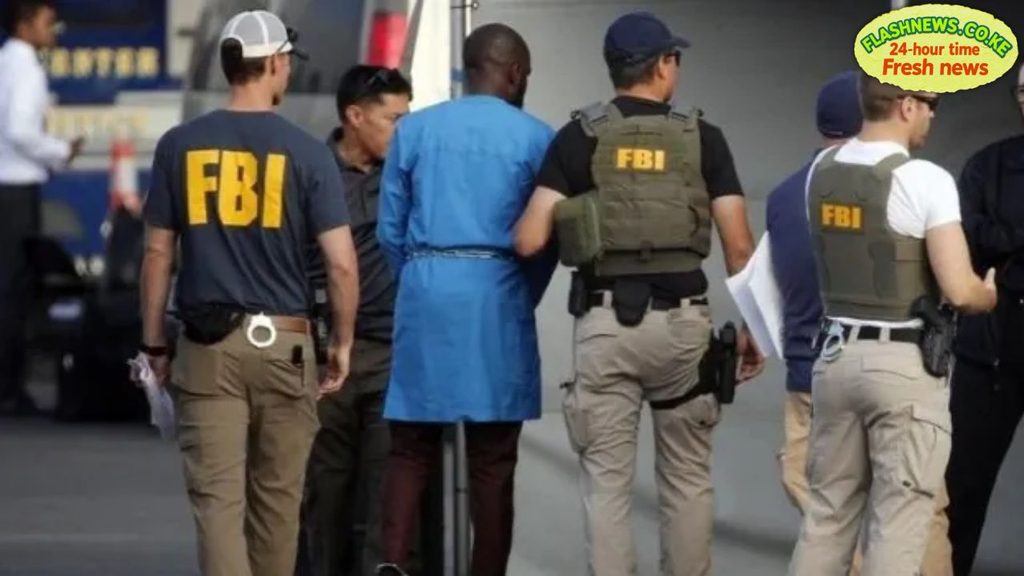
In July, Kenya extradited an Afghan national to the US to face drug trafficking and firearms-related charges, bringing to an end a year-long pursuit that began with an American arrest warrant and eventually led investigators to Nairobi.
The suspect had travelled from Kabul to Kenya in April 2025. His presence in the country came to the attention of Kenyan authorities after INTERPOL circulated a Red Notice connected to the US case.
Directorate of Criminal Investigations (DCI) detectives subsequently tracked him down and arrested him at a Nairobi hotel before the extradition process was launched.
But his arrest was only the final chapter of a much wider investigation that had crossed international borders and involved undercover operations, suspected drug transactions and cooperation between law enforcement agencies.
Undercover buyers infiltrate alleged network
US investigators had spent months building their case around an alleged international narcotics network, using undercover sources who presented themselves as legitimate buyers to establish contact with suspected traffickers.
One of the operations reportedly took place in Johannesburg in December 2024, when a person posing as a prospective buyer met an alleged associate of the Afghan suspect.
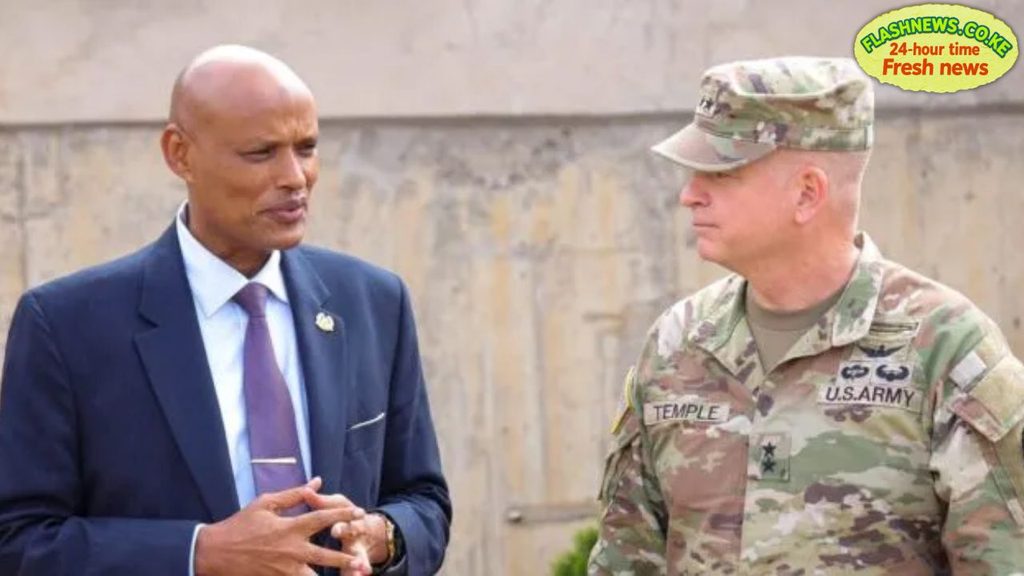
During the meeting, the supposed buyer received a 2kg sample of methamphetamine as investigators sought to establish evidence linking individuals to the alleged trafficking operation.
The buyer was secretly working with the US Drug Enforcement Administration (DEA), enabling American investigators to document the suspected transaction while concealing the buyer’s links to law enforcement.
The operation formed part of a broader effort to map suspected drug trafficking connections across countries, according to an analysis by Daily Maverick.
Investigation leads detectives to Nairobi
As investigators followed the alleged network’s international links, the trail eventually led to Kenya.
The Afghan national was arrested in Nairobi after the US authorities sought his surrender to face charges connected to the investigation.
Kenyan authorities then took charge of the legal process required for his extradition, with the Office of the Director of Public Prosecutions (ODPP) filing proceedings before the Kenyan courts.
Following the completion of the court process, the suspect was extradited to the United States, where he is expected to face the charges filed against him.
Kenya emerges in wider US drug investigations
The case is also similar to other US investigations in which undercover DEA informants have been used to establish contact with suspected traffickers operating through or linked to Kenya.
In one such investigation, US agents allegedly used undercover informants posing as members of a South American drug trafficking organisation to negotiate with suspected traffickers seeking heroin and methamphetamine. Read the earlier report on the undercover DEA operation
Another US investigation involved undercover DEA sources making contact with suspects operating through Kenya before the suspects were arrested and subjected to extradition proceedings. Read the report on the related US investigation
Months of surveillance end in extraditions
Across the cases, investigators appear to have relied on prolonged surveillance, undercover contacts and international cooperation before moving against the suspects.
For Kenya, the investigations have highlighted the country’s role in multinational law-enforcement operations involving suspects accused of participating in cross-border criminal networks.
The cases also demonstrate how investigations that begin with an alleged transaction thousands of kilometres away can eventually lead authorities to suspects living or travelling in Kenya.
With US investigators increasingly working with foreign law-enforcement agencies, undercover operations and intelligence-sharing have become key tools in tracing alleged drug networks whose activities span several jurisdictions.
Also Read:Small Aircraft Crashes in Kajiado’s Kipeto Area, At Least One Feared Dead