


The Kenyan government has cautioned content creators, social media influencers and charitable organisations against publishing photographs, videos and personal details of vulnerable children to solicit donations, warning that fundraising activities must not compromise minors’ privacy, dignity and safety.
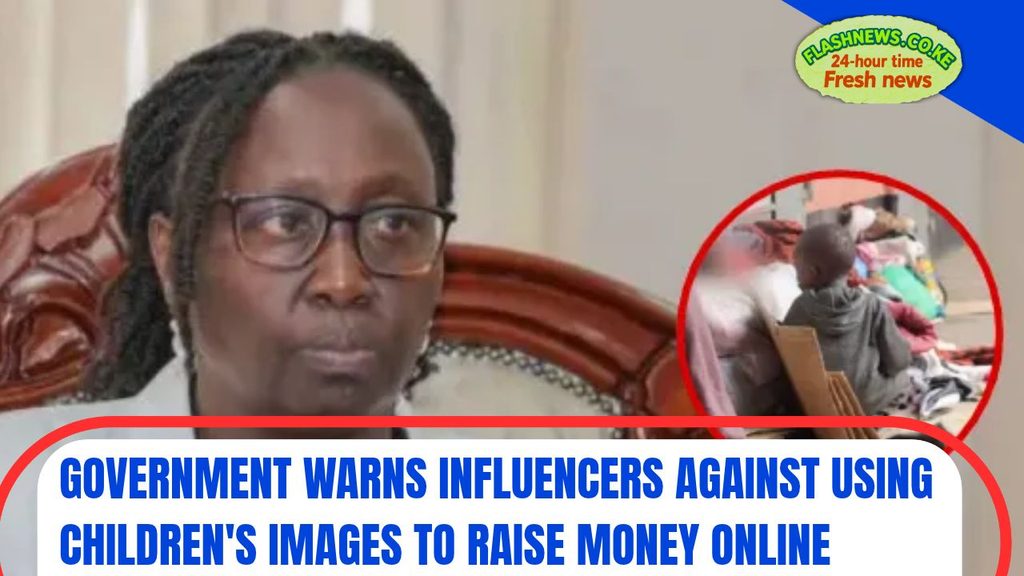
In a statement issued on Tuesday, November 17, 2026, the State Department for Children Services raised concern over the growing practice of sharing children’s personal stories and images on social media platforms to attract public sympathy and raise money.
The department acknowledged the contribution of individuals, organisations, development partners and well-wishers who support vulnerable children and families.
However, it warned that charitable activities must be conducted in a manner that protects the rights and best interests of the children receiving assistance.
The statement, issued through Principal Secretary for Children Services Carren Ageng’o, emphasised that a child’s vulnerability should never become a tool for publicity, fundraising or personal gain at the expense of their privacy.
The government called on individuals and organisations involved in humanitarian activities to stop the unauthorised collection, sharing and publication of children’s photographs and personal information.
Ministry outlines rules for online fundraising involving children
The State Department said people organising charitable campaigns must ensure that their activities protect the safety, dignity and welfare of every child involved.
It particularly cautioned against publishing information that could expose a child’s identity, family background, medical condition, living circumstances or other sensitive personal details.
The department also emphasised the importance of obtaining informed consent from parents or legal guardians before collecting, processing or publishing children’s personal information.
This requirement applies to photographs, videos and other information that could identify a child.
The government further noted that the child’s age, level of maturity and personal views should be considered when decisions are made about using their images or stories.
The guidance means that content creators and charitable organisations should not assume that permission to provide assistance automatically gives them the right to publish a child’s identity or private circumstances online.
Even where parents or guardians agree to a fundraising campaign, organisers must consider whether exposing the child publicly is necessary and in the child’s best interests.
Why the government is concerned about children’s images
The growing use of social media has made it easier for individuals and charitable organisations to mobilise financial support for vulnerable families.
Content creators can share a video or photograph, explain a child’s circumstances and appeal to thousands of followers for assistance within a short period.
Such campaigns have helped raise money for medical treatment, education, food, shelter and other essential needs.
However, the government warned that publishing distressing images and personal accounts could expose children to stigma, discrimination, bullying, exploitation and other forms of harm.
Information shared online may also remain accessible long after a fundraising campaign has ended.
A child whose medical condition, family difficulties or living circumstances are publicly displayed may later face embarrassment, unwanted attention or discrimination.
The department therefore maintained that children should receive support without being subjected to unnecessary public exposure.
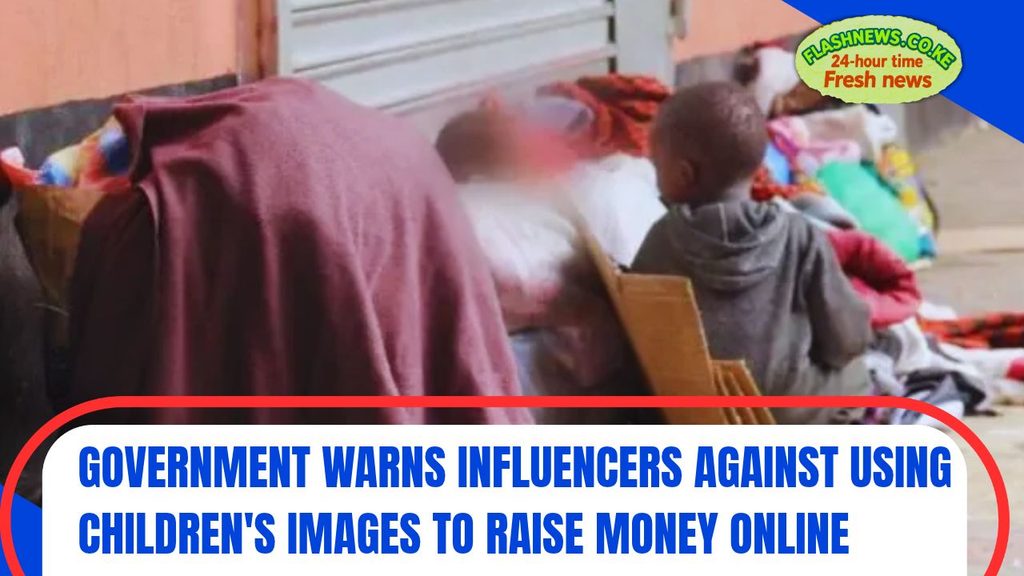
It also warned against using charitable activities as a disguise for personal financial gain, insisting that humanitarian assistance must remain centred on the welfare of the beneficiaries.
What the law says about publishing children’s photographs
Kenya has legal protections governing children’s privacy and the handling of their personal information.
Article 53(2) of the Constitution provides that a child’s best interests must be of paramount importance in every matter concerning the child.
Section 27 of the Children Act, 2022, protects children against arbitrary or unlawful interference with their privacy, family and private affairs, correspondence, honour and reputation.
The Data Protection Act, 2019, also provides safeguards for children’s personal information.
Section 33 requires parental or guardian consent when processing children’s personal data, while ensuring that the processing protects and advances the child’s rights and best interests.
The Office of the Data Protection Commissioner has also issued guidance explaining the safeguards that organisations and individuals should observe when collecting and using children’s information.
These protections are relevant to people who collect, store, publish or share children’s photographs, videos and personal stories during charitable activities.
The Children Act also provides a specific penalty under Section 220 for publishing information that identifies a child offender during arrest, investigations, trial or other related proceedings.
A person convicted of violating that provision faces a fine of up to KSh500,000, imprisonment for a maximum of 12 months, or both.
However, this particular penalty relates to protecting the identity of children in conflict with the law. It should not be interpreted as an automatic punishment for every instance of publishing a child’s photograph without permission.
Content creators and influencers face new scrutiny
The government’s warning is particularly relevant to social media personalities who organise public appeals for vulnerable children.
Several influencers and public figures have used their platforms to mobilise financial assistance for families facing medical, educational and economic difficulties.
In many cases, photographs and videos of beneficiaries are shared to demonstrate their circumstances, attract donations and update contributors on how the money is being used.
While transparency is important in charitable fundraising, the government is urging organisers to find ways of accounting for donations without unnecessarily exposing children.
For example, organisations can provide financial updates, receipts, anonymised reports and information about the support delivered without revealing a child’s full identity or sensitive personal circumstances.
They can also use photographs that do not identify the child, where appropriate, and obtain the necessary consent before collecting or processing personal information.
The warning does not mean that all charitable fundraising involving children is prohibited. Rather, it places greater emphasis on responsible fundraising and the obligation to protect those receiving assistance.
Government urges the public to prioritise children’s dignity
The State Department for Children Services has called on individuals, organisations, content creators and other stakeholders to review how they document and publicise charitable activities involving minors.
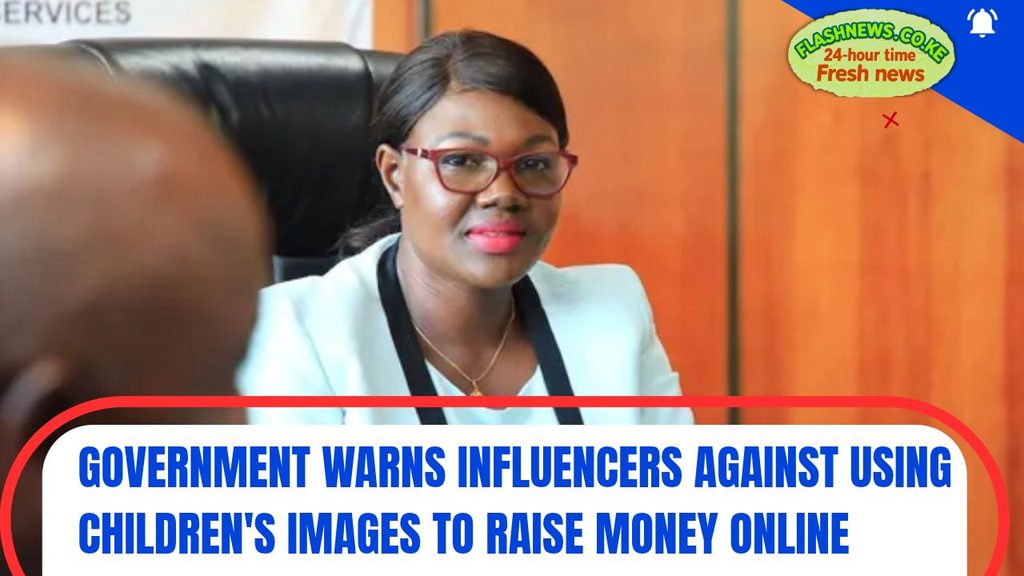
The department’s position is that good intentions cannot justify exposing children to risks that may affect their present and future welfare.
Parents, guardians, charities and influencers are therefore expected to consider the consequences of publishing a child’s photographs and personal experiences before sharing them online.
The latest warning also highlights the growing importance of protecting children’s personal information in an increasingly digital environment.
As online fundraising continues to provide an avenue for mobilising public support, the government wants those involved to ensure that assistance reaches vulnerable children without compromising their privacy, dignity and fundamental rights.
Also Read: HELB Explains How Loan Repayments Are Divided Between Principal, Interest and Penalties