






Farmers in Kajiado County are urging Kenyans to embrace goat milk as an alternative to cow’s milk, citing lower feed requirements and potential income opportunities as milk shortages push prices higher in parts of the country.
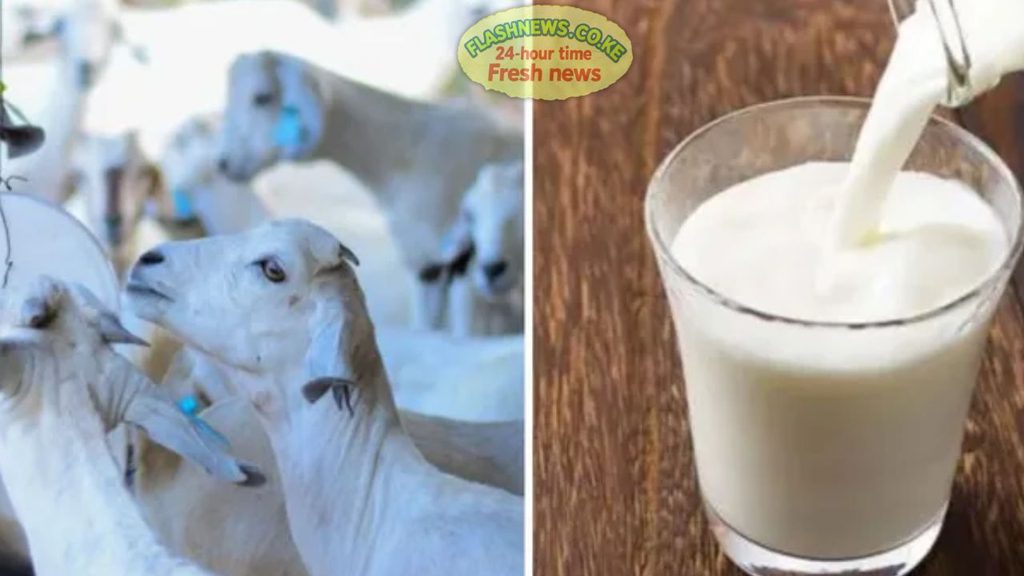
Farmers in Kajiado County are turning to dairy goat farming as a potential solution to Kenya’s milk supply challenges, encouraging more producers to consider goats as an alternative to conventional cattle farming.
The farmers argue that goats require less feed than cows, making them a potentially more affordable option for those seeking to venture into dairy production.
According to the farmers, a goat consumes approximately three kilogrammes of feed daily, compared with about 15 kilogrammes for a cow, although actual requirements vary depending on the animal’s size, breed and production needs.
“Goat milk offers an opportunity to increase milk production while giving farmers an alternative to cattle, which require more feed and can be costly to maintain,” one farmer said.
The farmers also pointed to the commercial potential of goat milk, which they sell directly from their farms for approximately KSh120 per litre.
“We would like more farmers to keep goats because you can milk them and earn income. Farmers selling goat milk are supplying it to us at KSh120 per litre when we buy directly from the farms,” the farmer added.
Milk shortages push consumers to consider alternatives
The farmers’ proposal comes amid concerns over milk availability and rising retail prices in parts of Kenya.
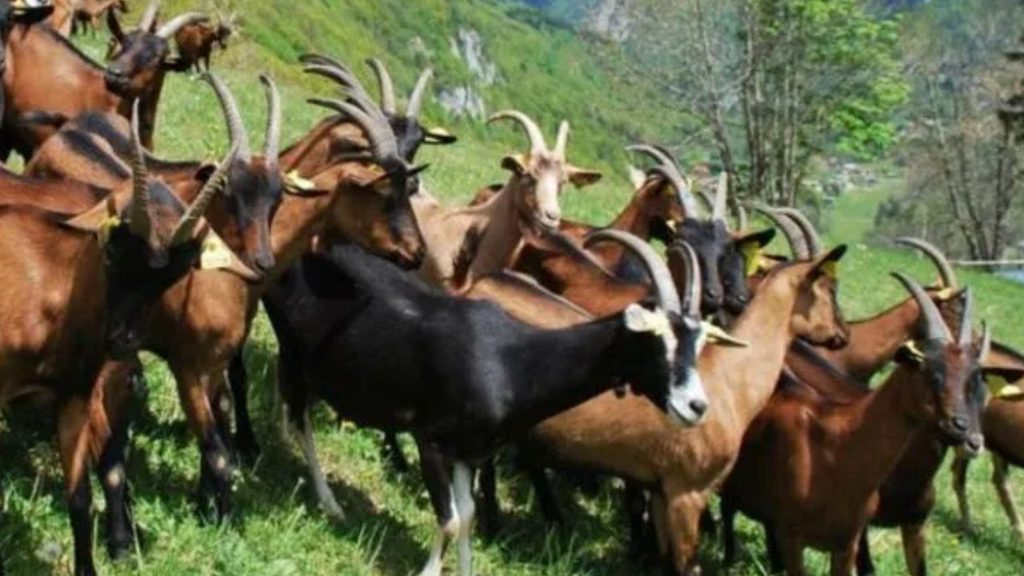
A market survey conducted by Kenyans.co.ke last month found that milk prices in some parts of Nairobi ranged from about KSh90 to nearly KSh120 per litre as supply concerns persisted.
At KSh120 per litre directly from producers, goat milk may offer farmers an additional revenue stream, although its retail price could rise further once distribution and other costs are included.
For consumers, however, the price could prove a significant consideration when deciding whether to switch from cow’s milk.
Government considers buffaloes and camels
The discussion around goat milk follows a government announcement that it is considering importing water buffaloes and camels to help address the country’s milk supply challenges.
The proposal sparked mixed reactions online, with some Kenyans sharing memes and digitally altered images showing themselves milking the animals.
However, the idea of introducing alternative livestock species is not entirely new.
In January 2025, the government published Gazette Notice No. 977, dated 31 January, concerning the domestication of water buffaloes in Kenya. The notice did not, by itself, establish a programme for commercial buffalo milk production.
Is goat milk more nutritious than cow’s milk?
Goat milk contains protein, calcium and other nutrients, making it a potential alternative for consumers seeking variety in their diets.
However, its nutritional composition differs from that of cow’s milk, and claims that it is universally more nutritious should be treated with caution. The precise amounts of protein, calcium, fat and other nutrients vary according to breed, feed and processing methods.
Goat milk is also not suitable for people with a goat’s milk allergy, and it is not a reliable substitute for cow’s milk for people with cow’s milk protein allergy because the proteins can be similar.
Consumers should also ensure that goat milk is pasteurised or otherwise safely processed before drinking it.
Can dairy goat farming help Kenyan farmers?
For farmers in Kajiado, expanding dairy goat production could provide another source of income while broadening the range of dairy products available to consumers.
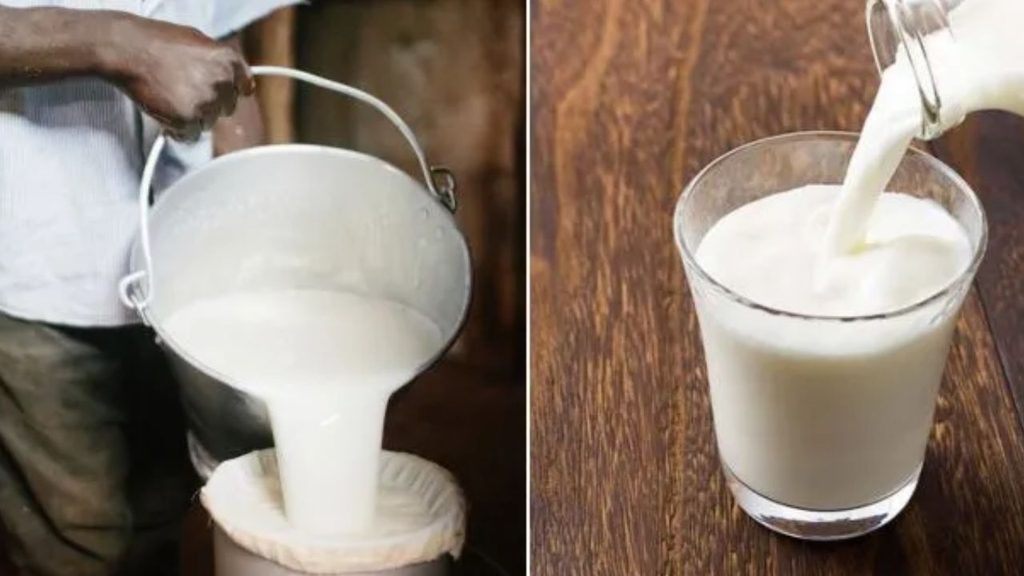
The relatively lower feed requirements cited by the farmers could make goats attractive to some small-scale producers, particularly where land and feed resources are limited.
However, the viability of dairy goat farming will also depend on milk yields, veterinary care, breeding, feed quality, market access and consumer demand.
As Kenya explores ways to strengthen its milk supply, dairy goats could become part of a wider strategy to diversify livestock production. Whether the approach can make a meaningful difference to national milk availability will depend on the scale of adoption and the economics of producing and distributing goat milk.
Also Read: Winnie Odinga Declares Nairobi Senate Bid for 2027 Elections