






The Kenyan-led security mission in Haiti has come under renewed scrutiny after fresh revelations exposed the harsh realities faced by officers battling heavily armed gangs in the Caribbean nation, despite billions in international funding poured into the operation.
Under the United Nations-backed Multinational Security Support (MSS) Mission, Kenyan police officers were deployed to Haiti to help restore order in a country where gangs have seized control of vast areas of the capital, Port-au-Prince, and surrounding regions.
The United States reportedly channelled more than USD970 million (approximately Ksh127 billion) into supporting the troubled intervention. However, new accounts suggest the mission was plagued by operational failures, communication breakdowns, mechanical problems and insufficient troop numbers from the outset.
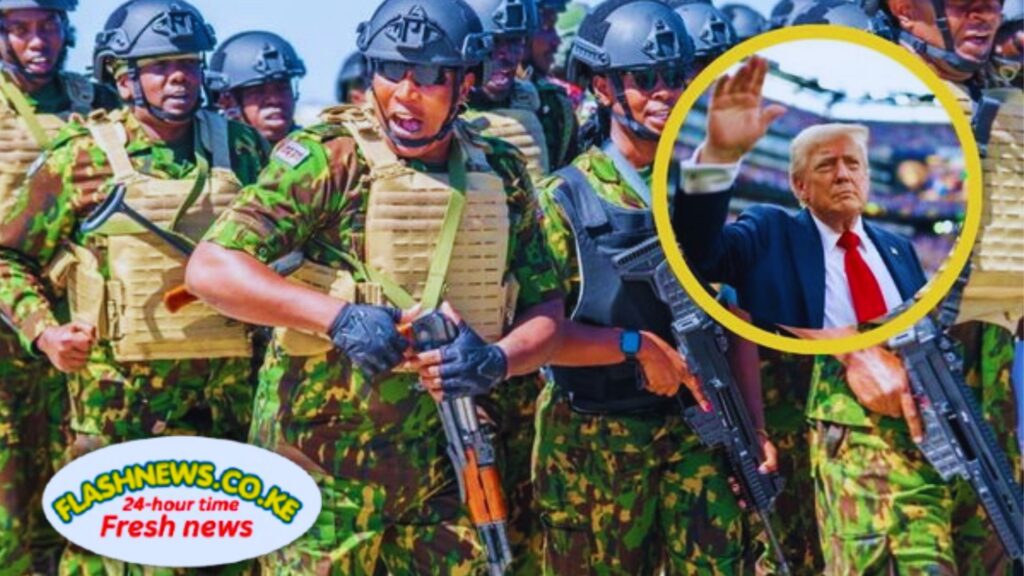
Security analysts and international law experts have now questioned whether the deployment was ever capable of succeeding under such conditions.
Professor Evelyne Asaala, an expert in International Criminal Law and Transitional Justice at the University of Nairobi, argued that the mission faced fundamental disadvantages long before officers landed in Haiti.
“The MSS was bound to fail. The Kenyans don’t know the context, they don’t know the history, they don’t know the language, they don’t know the terrain,” she stated.
At its peak, the MSS mission was authorised to deploy 2,500 personnel drawn from several countries. However, reports indicate the force never exceeded roughly 1,000 officers, the majority of them Kenyan police personnel tasked with conducting dangerous ground operations in gang-controlled zones.
While countries such as El Salvador and Guatemala reportedly concentrated on air support and infrastructure protection, Kenyan officers were left leading frontline patrols in volatile neighbourhoods where criminal gangs continued expanding their influence.
Fresh reports from officers involved in joint patrols also exposed severe communication challenges between Haitian and Kenyan security teams.
Haitian officers, many of whom communicate primarily in French and Creole, allegedly struggled to coordinate effectively with Kenyan personnel operating in English, forcing some teams to rely on translation applications such as Google Translate during operations.
“It’s hard for them to understand us,” one Haitian officer reportedly said.
The same officer further described repeated confusion during active firefights, claiming: “We constantly argue with them over the radio.”
According to reports, the language barrier occasionally disrupted tactical movements, with Kenyan armoured vehicles allegedly blocking operational routes after radio instructions were misunderstood during high-pressure confrontations with gangs.
The mission also reportedly suffered major logistical setbacks.
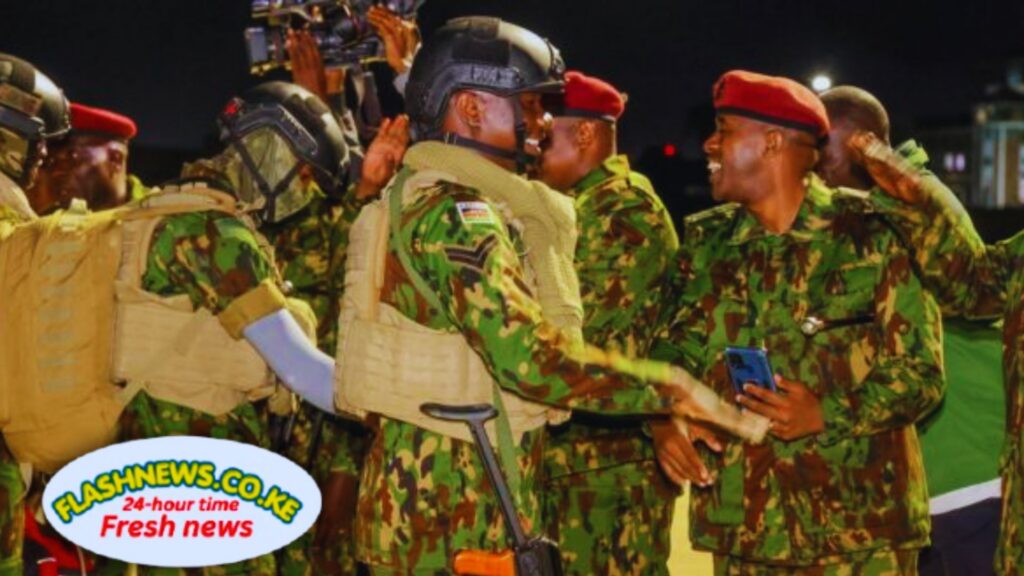
United Nations findings indicated that nearly half of the MSS armoured vehicles were at one stage grounded due to mechanical failures and shortages of spare parts, severely limiting mobility during operations.
As violence escalated, the Kenyan contingent faced mounting casualties.
At least three Kenyan officers were killed during the mission, while another officer reportedly disappeared after clashes with armed gangs, with his body never recovered.
Despite repeated public assurances from MSS leadership promising decisive victories against criminal networks, many Haitian communities increasingly accused the mission of failing to slow the gangs’ territorial expansion.
Former MSS commander Godfrey Otunge later acknowledged the immense pressure facing the force, admitting officers operated under severe limitations.
“We often operated with limited means, under intense pressure, and with immense expectations from the population,” Commander Otunge stated.
The Kenyan-led mission officially concluded in late April after the final contingent of officers returned to Nairobi on April 28 following a phased withdrawal process.
Kenya had deployed four contingents during the operation, eventually reaching approximately 730 officers before scaling down the mission.
However, emotional scenes reportedly unfolded during the withdrawal, with some Haitian residents blocking departure routes and pleading with Kenyan officers not to leave, fearing gangs would swiftly reclaim territory once the force exited.
The United Nations has since approved a new Gang Suppression Force expected to deploy approximately 5,500 personnel under Chadian leadership, amid growing concerns that repeated foreign interventions alone may not be enough to stabilise Haiti’s worsening security crisis.
Also Read: Embakasi Motorist Faces Arrest After Viral Assault on Traffic Officer