






Matatu workers in Kenya have threatened to paralyse public transport services nationwide after accusing both the government and vehicle owners of excluding them from crucial fuel price reduction negotiations.

The standoff escalated on Tuesday, May 27, when the Matatu Workers Union (MWU) and the Long Distance Drivers and Conductors Association (LODCA) warned that drivers and conductors could down their tools unless their grievances are addressed.
Speaking during a press briefing, MWU Secretary General Maurice Oduor accused matatu owners of prioritising profits while ignoring the financial struggles faced by workers amid soaring operational costs.
“Employers have decided that they will take their money. If a car was worth Ksh8,000, he will charge Ksh8,000 without knowing that the cost of fuel has gone up,” Oduor said.
The latest dispute comes only days after a nationwide matatu strike was officially called off on May 22, following high-level consultations between William Ruto and transport stakeholders at State House in Mombasa.
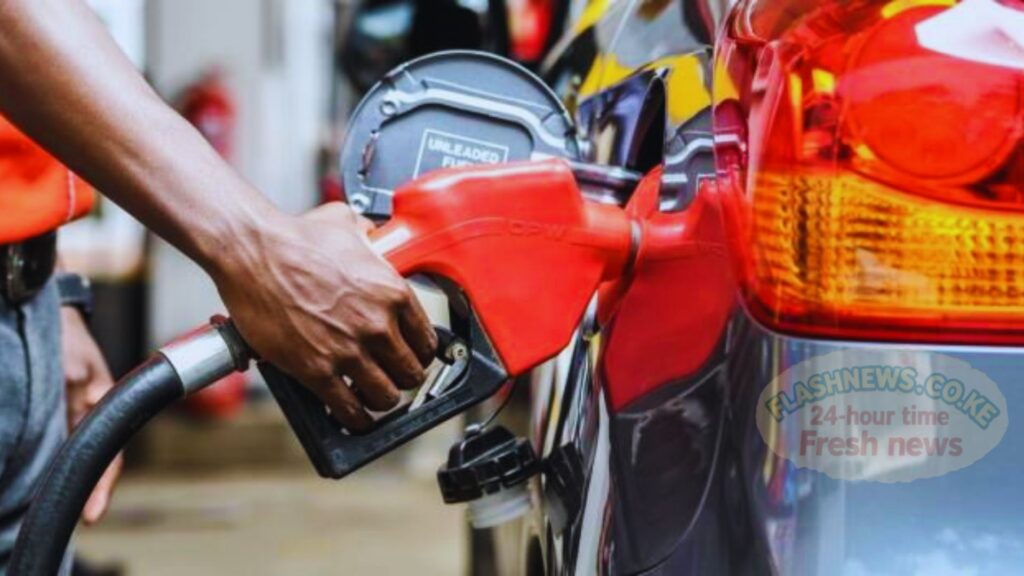
Following the talks, the government announced a further Ksh10 reduction in diesel prices, bringing the cost down to Ksh232.86 per litre until the next monthly review cycle.
The reduction followed an earlier announcement by the Energy and Petroleum Regulatory Authority (EPRA), which had set diesel prices at a record-high Ksh242.92 per litre — a figure that sparked outrage across Kenya’s transport sector due to the heavy reliance of public service vehicles on diesel fuel.
However, transport industry stakeholders argue that the revised prices remain far too high to sustain operations. According to sector representatives, diesel prices would need to fall by at least Ksh46 per litre in order to ease pressure on transport operators and adequately cater for workers’ wages and operational expenses.
At the centre of the row is growing anger among drivers and conductors, who claim they were completely sidelined during negotiations between the government and matatu owners aimed at ending the strike.
Workers say the agreement reached failed to address the harsh realities faced by those working on the ground, many of whom continue to endure long working hours while struggling to cope with the rising cost of living.
“This is sad because they were the ones who agreed with the government to end the matatu strike without involving us,” Oduor said. “Workers’ demands were never considered.”
The unions further accused matatu owners of striking a deal behind workers’ backs, effectively ending the industrial action without consulting the very people responsible for keeping public transport running.
The controversy has also drawn wider criticism from other transport stakeholders. A section of the Motorists Association recently raised concerns over what it described as the exclusion of ordinary Kenyans and transport workers from ongoing discussions with the government.
The association argued that the negotiations failed to produce a solution that genuinely protects commuters and the thousands of workers who depend on the public transport industry for survival.
Meanwhile, Johnson Sakaja pledged earlier this month to ensure all stakeholders are included in future talks involving Matatu SACCOs and the government.
Speaking on May 19, Sakaja — who acts as guarantor of Matatu SACCOs within Nairobi County — assured workers that future negotiations would be more inclusive amid mounting tensions in the sector.
Also Read: Governor Lenku Steps In After Journalist Forced to Sell Land Over Ksh16M State House Case