






KNEC to Administer KJSEA Qualifying Exams in June.
The Kenya National Examinations Council (KNEC) has confirmed that it will conduct the 2025 Kenya Junior School Education Assessment (KJSEA) Qualifying Test from 9th to 11th June 2025. The official timetable for the assessment has been made publicly available on the council’s website at www.knec.ac.ke.
Candidates arriving over 30 minutes late will generally not be permitted to take the test, except under exceptional circumstances. Any form of communication during the examination is strictly forbidden. Furthermore, having books, written notes, or any unauthorised materials in the examination room is considered a serious offence.
The Council cautioned that such behaviour constitutes misconduct and would be dealt with according to examination rules.
KNEC reiterated its strict prohibition of mobile phones and other electronic communication devices within all examination centres. Any student found with such items risks immediate cancellation of their exam results.
The statement from the Council was clear: possession of prohibited devices, including cell phones, would result in the annulment of results for the affected candidate.
Only mathematical tables printed by KNEC and non-programmable calculators are allowed during the exam, where applicable. Use of unauthorised materials will be treated as an irregularity.
A candidate preparing for the test said they appreciated the clarity on what materials were allowed, as it helped them avoid mistakes that could jeopardise their performance.
Purpose of the KJSEA Qualifying Test
This qualifying test serves as an essential step for candidates who are transitioning into the Kenyan education system, either from international education frameworks or alternative local systems. It ensures that all learners are assessed and aligned with the national curriculum before progressing further.
According to a KNEC representative, the test is “a bridge for learners entering the local system from foreign or non-standard backgrounds.” Education stakeholders have emphasized that the exam not only standardizes entry but also promotes fairness in the placement process.

Candidate Communication and Registration
KNEC has already reached out to all eligible candidates expected to sit for the qualifying test. These learners have received communication regarding their participation, venues, and additional guidelines.
Also Read: KUCCPS Course Revision 2025: Step-by-Step Online Process
Once the assessment is completed and scripts are marked, qualified learners will proceed with registration for the full KJSEA. One education officer said that this procedure “ensures that all learners entering junior school have met a baseline standard.”
Statements from Officials
A senior official at KNEC noted that the assessment is designed to support smooth integration, explaining that “we want to make sure every learner gets a fair chance, regardless of where they are coming from.” Another official added, “This is a crucial step in harmonizing educational standards across the country.”
The Kenya National Examinations Council (KNEC) highlighted that the duration for each exam paper would be strictly adhered to, as printed on the paper. No additional time will be permitted under any circumstances. In the event of any time-related inconsistencies, the time indicated on the exam paper would be considered final.
According to an official at KNEC, no extra time will be granted beyond what is printed on the examination papers. This regulation aims to uphold the integrity and fairness of the assessment process.
Candidates are expected to report for the assessment at least 15 minutes before the exam starts. This is to allow adequate time for necessary checks outside the examination room and ensure they are seated and ready by the official start time, which is set for 8:30 a.m. for the first session.
One examination officer stated that being early would help avoid confusion and ensure candidates settle in calmly before the test begins. The arrangement also supports smooth operations for invigilators.
Accessing Further Information
All relevant details, including the examination schedule, are available through the KNEC portal. Candidates and guardians are advised to consult the website regularly for updates and to ensure timely preparation.
Upon completing the Kenya Junior Secondary Education Assessment (KJSEA), candidates will instantly receive their results and official slips. These documents will be duly endorsed by the Sub-County Director of Education (SCDE), serving as valid proof for registration.
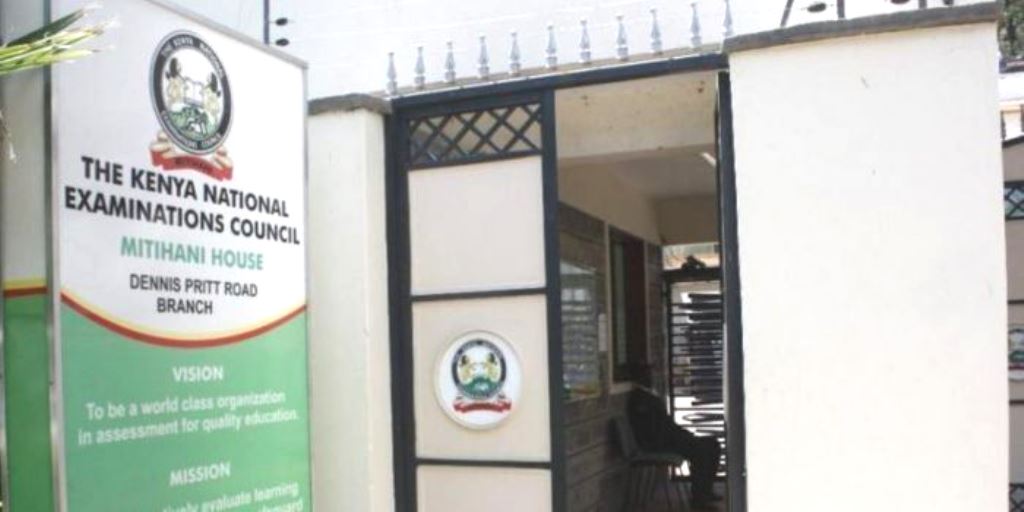
A Sub-County Director of Education noted that candidates would be issued with their results and slips promptly following the test to facilitate smooth registration processes. The swift issuance ensures that students face no delay in proceeding with the next stages of their education.
KNEC warned that any irregularities or misconduct would be met with severe penalties, as outlined in Sections 27 to 40 of the KNEC Act No. 29 of 2012. Penalties may include cancellation of the entire subject and assignment of result “Y.”
The Council urged Sub-County Examination Officers to ensure all candidates fully understood these regulations and the severe consequences of breaching them. A Council spokesperson added that creating awareness among students was vital to avoid cases of ignorance leading to disciplinary actions.