






Treasury Cabinet Secretary John Mbadi has strongly dismissed claims that the International Monetary Fund directed Kenya to increase fuel prices, insisting the global lender only offers economic advice and does not dictate tax policies to sovereign governments.
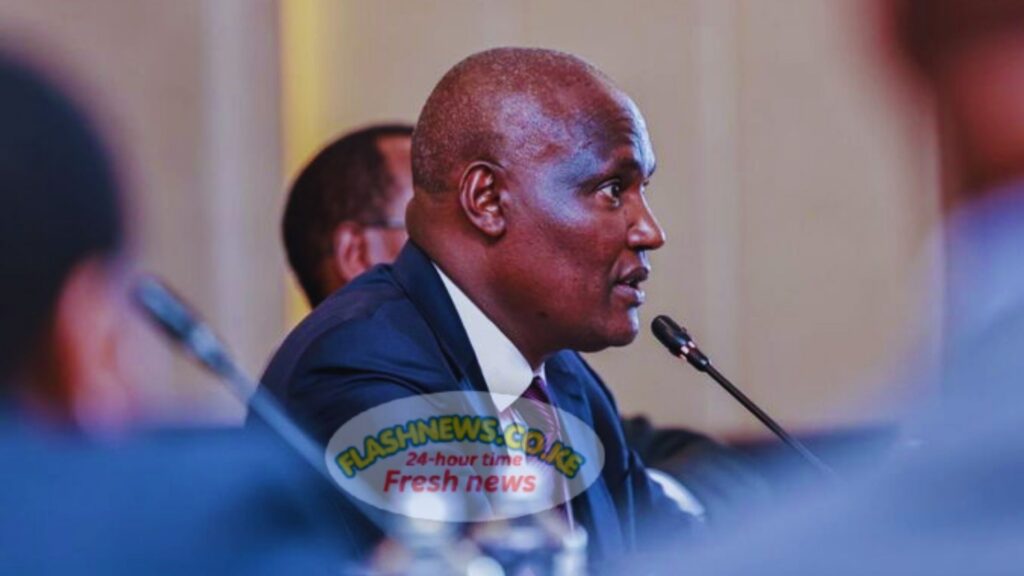
Speaking on Monday, May 18, amid growing nationwide protests by matatu and transport operators over the latest fuel price hike, Mbadi said accusations linking the IMF to the controversial increases were “misleading” and politically charged.
The CS defended the government’s position while acknowledging the economic strain facing Kenyans following sharp increases in diesel and petrol prices announced earlier this month.
“I think people have not understood the IMF and the World Bank,” Mbadi said.
“The IMF advises member states on macroeconomic issues during possible economic shocks. They may recommend that countries prepare for the effects of rising global fuel prices, but they do not tell governments to reduce or increase VAT or introduce specific taxes.”
Mbadi stressed that Kenya alone makes its fiscal and taxation decisions, adding that international financial institutions cannot impose fuel taxes or dictate local pricing structures.
His remarks come days after the Energy and Petroleum Regulatory Authority announced major fuel price adjustments on May 14, triggering public outrage across the country.
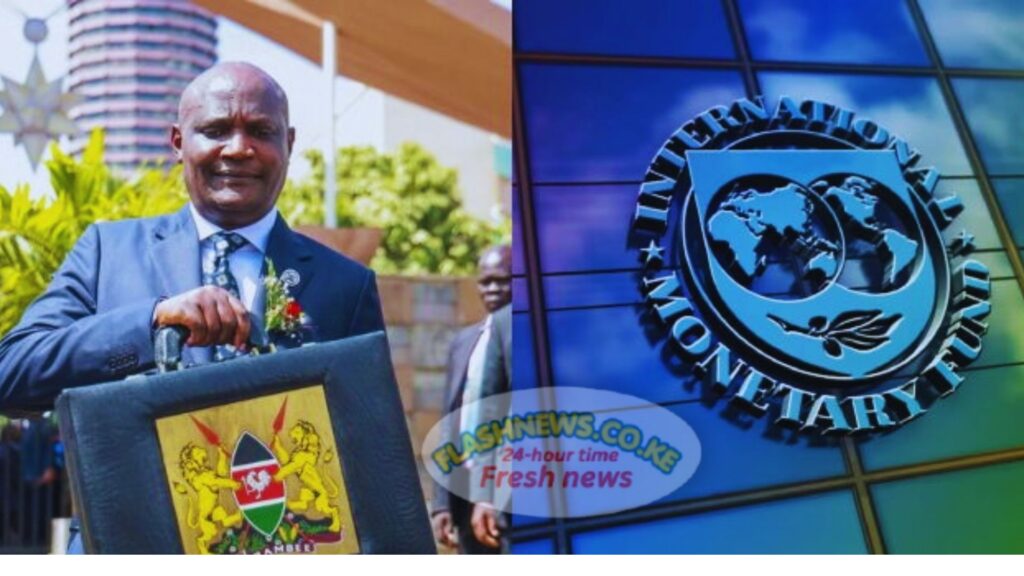
Under the revised prices, super petrol rose by Ksh16.65 per litre, while diesel surged by a staggering Ksh46.29 per litre — one of the sharpest increases in recent years.
The spike immediately sparked anger among matatu operators and private motorists, with transport groups warning that the high diesel costs would cripple operations and force fare increases for millions of commuters already struggling with the rising cost of living.
Following mounting pressure and protests from the transport sector, the government later revised the pricing structure, reducing diesel prices by Ksh10.06 per litre. However, kerosene prices climbed further by Ksh38.60 per litre, while petrol prices remained unchanged for the cycle running from May 19 to June 14.
Despite the revision, transport operators rejected the move, arguing that the reduction was too little to provide meaningful relief.
The operators are demanding a full Ksh46 reduction in diesel prices and have vowed to continue a nationwide strike until their grievances are addressed.
“We did say that we are going to communicate here clearly and openly that we have not agreed, so that we can carry this conversation forward,” said Kushian Muchiri.
“We did not agree on anything. The strike is still on.”

The standoff now threatens to disrupt public transport services across Kenya, raising fears of commuter chaos and renewed political pressure on President William Ruto’s administration over the rising cost of living.
Also Read: WhatsApp Testing New Feature That Stops Messages Disappearing Before You Read Them