






France has called on the International Monetary Fund (IMF) and the World Bank to urgently increase financial support for economies vulnerable to the growing fallout from the escalating Iran conflict, with Kenya listed among countries already experiencing severe economic strain.
The appeal was made during high-level finance discussions held in Paris involving G7 finance ministers, central bank governors and representatives from emerging economies, amid mounting fears that instability in the Middle East could trigger a wider global economic crisis.
French Finance Minister Roland Lescure warned that developing nations were facing increasing pressure from soaring fuel prices, disrupted supply chains and rising food insecurity linked to the ongoing geopolitical tensions.
According to Reuters, Lescure said participating nations agreed that multilateral lenders “must do more to help countries most vulnerable to the impact of the Middle East conflict,” cautioning that disruptions to fertiliser exports and energy supplies risk worsening inflation and economic hardship across Africa and other developing regions.
The Paris meetings reportedly focused heavily on the growing economic shockwaves stemming from the Iran conflict, including volatility in global oil markets, weakening trade flows and fears of prolonged inflation.
Kenya has emerged among the countries already feeling the effects of the crisis, with rising fuel costs sparking widespread protests and transport disruptions across major towns and cities.
In recent weeks, matatu operators, boda boda riders, motorists and digital taxi drivers staged demonstrations over the sharp increase in pump prices, paralysing transport services in parts of Nairobi and several other urban centres.
The unrest escalated into violent confrontations in some areas, with reports indicating several people were killed and dozens injured as security agencies attempted to restore order amid growing public anger over the high cost of living.
In response to the mounting pressure, Energy and Petroleum Regulatory Authority held emergency consultations with transport stakeholders before announcing revised fuel prices aimed at easing tensions within the sector.
Under the latest review, diesel prices were reduced by Ksh10.06 per litre, kerosene prices increased by Ksh38.60 per litre, while petrol prices remained unchanged for a 25-day pricing cycle.
Despite the adjustment, transport operators argued that fuel costs remained unsustainable, warning that the diesel reduction offered only limited relief as businesses and households continue to struggle with elevated living expenses.

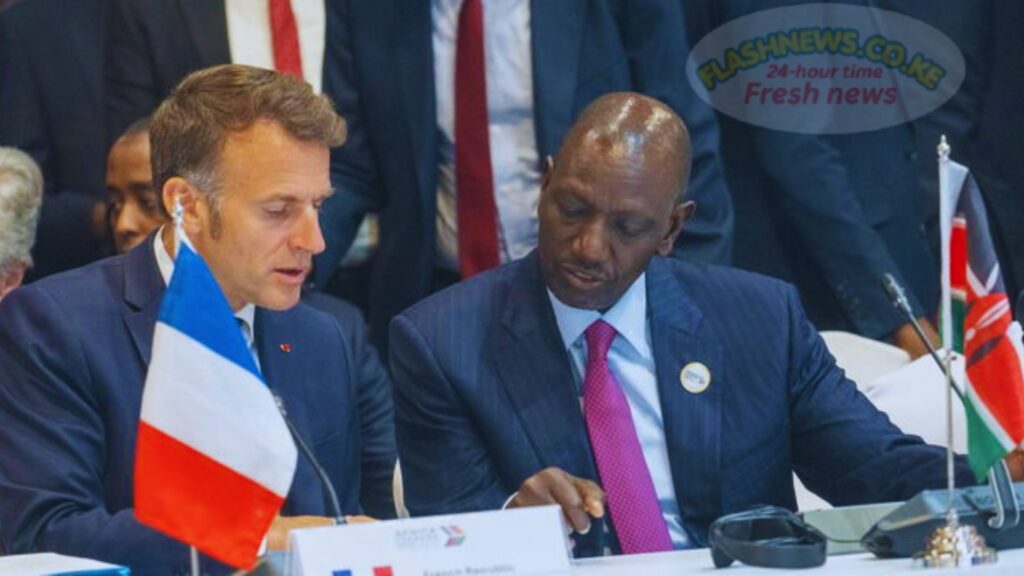
The economic concerns come at a time of growing diplomatic and financial cooperation between Kenya and France, following recent agreements focused on infrastructure investment, climate financing and trade expansion.
The IMF had already sounded alarm bells earlier this year after downgrading growth forecasts for Sub-Saharan Africa, citing increasing geopolitical instability and external economic shocks.
According to the IMF’s Regional Economic Outlook for Sub-Saharan Africa, regional growth — which reached 4.5 per cent in 2025, the fastest pace in a decade — is now expected to slow to 4.3 per cent in 2026.
The lender attributed the downgrade partly to the intensifying Middle East conflict and its wider impact on energy markets, inflation and investor confidence across vulnerable economies.
Also Read: Gachagua Dismisses Strait of Hormuz Claims Over Kenya Fuel Prices