

What ETC, MTC and Other Nairobi Expressway Markings Really Mean as Drivers Warned Over Costly Toll Mistakes





Motorists using the Nairobi Expressway are being urged to familiarise themselves with the road’s toll lane markings after growing confusion over the meaning of ETC, MTC, and other symbols painted on the highway.
The bold white letters, which appear well before toll plazas, have continued to leave some drivers uncertain about which lane to use, resulting in last-minute lane changes, unnecessary delays, and congestion near toll stations.
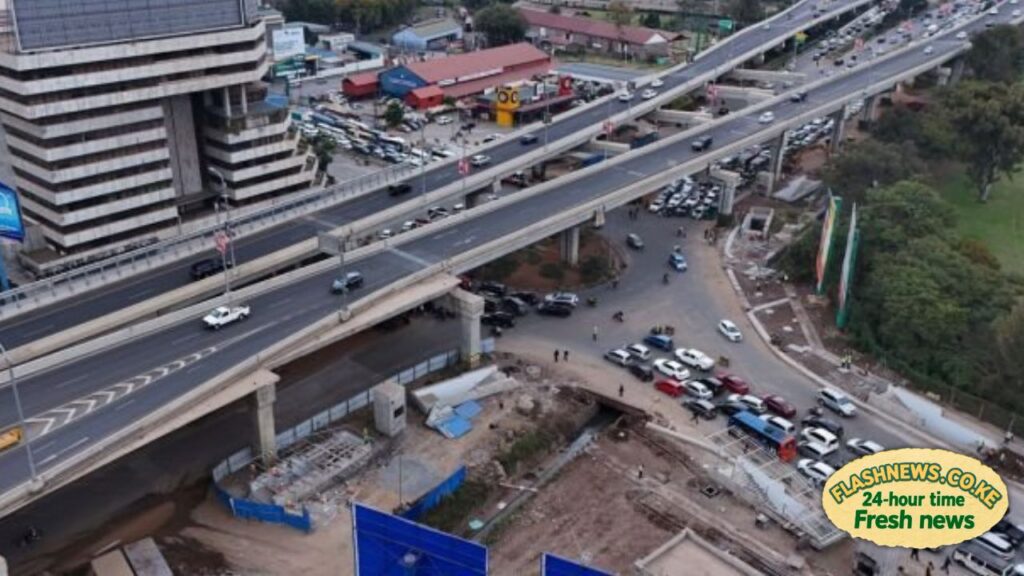
For the thousands of motorists who rely on the 27.1-kilometre expressway every day, understanding the markings is more than just a matter of convenience—it can mean the difference between passing through a toll gate seamlessly or finding yourself stuck in the wrong queue.
The Nairobi Expressway, which is operated under a Public-Private Partnership (PPP) arrangement, uses a combination of overhead electronic signs and road surface markings to separate vehicles using automatic electronic payment from those paying manually.
What Does ETC Mean?
One of the most common markings motorists encounter is ETC, which stands for Electronic Toll Collection.
These dedicated lanes are exclusively reserved for vehicles fitted with an On-Board Unit (OBU)—an electronic device linked to a driver’s toll account.
As motorists approach an ETC lane, they are required to slow down to below 20 kilometres per hour. Once the system detects the OBU and successfully deducts the toll fee electronically, the barrier lifts automatically, allowing the vehicle to continue without stopping.
Drivers without a registered OBU are advised not to enter ETC lanes, as doing so may lead to delays and force intervention by toll attendants.
What Does MTC Mean?
The second major marking is MTC, short for Manual Toll Collection.
These lanes are intended for motorists whose vehicles do not have an On-Board Unit installed.
Clearly labelled with overhead signs displaying MTC or Cash, these booths require drivers to stop and pay the applicable toll charge either in cash or using a designated MTC payment card before proceeding.
Unlike ETC lanes, payment in MTC lanes is processed manually by toll attendants, meaning vehicles are expected to come to a complete stop.
Other Important Expressway Markings Drivers Should Know
Beyond ETC and MTC, several other road markings are designed to improve safety and traffic flow across the expressway.
Speed control is one of the most critical requirements. Road markings and overhead gantries repeatedly remind motorists to reduce their speed to below 20 km/h when entering and exiting toll plazas.
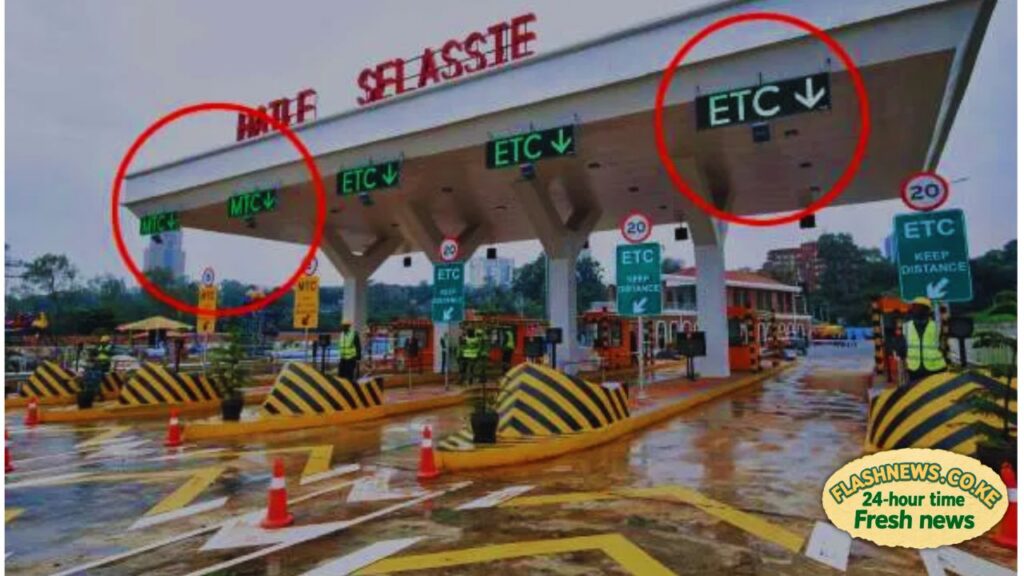
The speed restriction applies equally to both ETC and MTC lanes, giving the automated systems and toll attendants sufficient time to process vehicles safely while reducing the risk of collisions.
Certain lanes are also designated exclusively for emergency vehicles, including ambulances, police units and other authorised responders. Drivers are warned against blocking or entering these reserved lanes unless specifically authorised.
Avoid Last-Minute Lane Changes
Transport officials continue to encourage motorists to observe road signs well in advance of reaching toll stations to ensure they enter the correct lane.
Switching lanes at the last moment not only disrupts traffic flow but also increases the risk of accidents and unnecessary delays for other road users.
As the Nairobi Expressway continues to carry thousands of commuters each day, understanding the meaning of ETC, MTC and other road markings remains essential for safer, faster and more efficient travel.
Also Read: President Ruto’s Official Website Hacked, Cybercriminals Demand KSh41 Million Bitcoin Ransom