


University lecturers’ unions have called on Parliament to guarantee the release of Sh20 billion promised by the government under the agreement that ended the recent public university staff dispute.

The unions want the National Assembly to ensure that the funding commitment is honoured, warning that an agreement without guaranteed financing could create further uncertainty over the implementation of staff salary arrangements.
The appeal was presented by three university workers’ unions during discussions with parliamentary committees responsible for education and labour.
The organisations are the Universities Academic Staff Union (UASU), the Kenya University Staff Union (KUSU) and the Kenya Union of Domestic, Hotels, Educational Institutions, Hospitals and Allied Workers (KUDHEIHA).
Their concerns centre on the implementation of the 2025–2029 Collective Bargaining Agreements (CBAs), which have been at the centre of disputes involving public university employees.
How the Sh20 billion agreement will be funded
The Sh20 billion commitment forms part of a return-to-work formula signed on October 30, 2026.
Under the arrangement, the National Treasury is expected to release approximately Sh6.7 billion annually across the 2026/2027, 2027/2028 and 2028/2029 financial years.
The funding is intended to support the implementation of the agreed salary arrangements for public university employees.
UASU Secretary General Dr Constantine Wasonga welcomed the agreement but told Parliament that the government must honour the commitments within the agreed timelines.
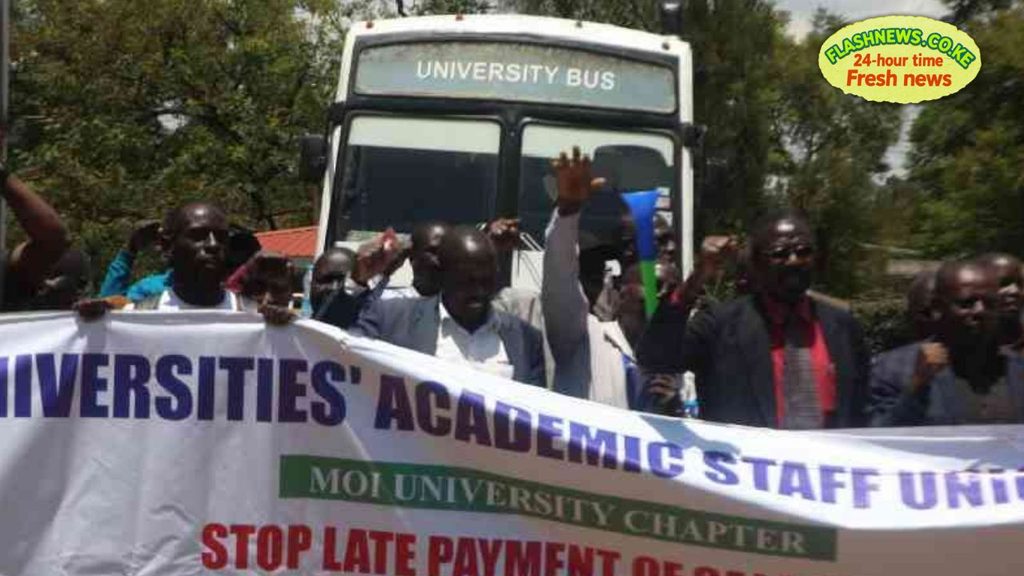
The unions want the funding released according to the stipulated schedule rather than relying solely on assurances made during negotiations.
Why the unions want Parliament involved
The unions believe parliamentary oversight is necessary to ensure that the Treasury and the Ministry of Education fulfil their responsibilities.
They have asked the National Assembly’s Committees on Education and Labour to secure binding funding guarantees from the relevant government departments.
Their position is that the return-to-work agreement should be supported by actual budgetary allocations to prevent future disputes over implementation.
The unions have also raised concerns about outstanding financial obligations owed to public universities.
They want Parliament to push the government to settle these debts as part of broader efforts to improve the financial stability of public institutions.
University funding and student financing debate
The unions have also called for changes to the proposed Tertiary Education, Placement and Funding Bill, 2026.
They want student financing to be separated from the money required to operate universities.
Their argument is that funds intended to support students should not be confused with institutional resources needed for salaries, administration and other operational responsibilities.
The debate comes amid wider concerns about the financial pressure facing public universities.
University management and staff representatives have repeatedly raised questions about how institutions can meet their obligations while depending on government allocations and student-related funding.
What government officials told Parliament
During the parliamentary engagement, Inter Public Universities Councils Consultative Forum chairperson Professor Fred Simiyu Barasa explained how negotiations over the salary agreement had progressed.
He indicated that the initial collective bargaining offer was presented in October 2025, followed by further engagement with the Salaries and Remuneration Commission.
The commission’s chief executive, Ali Abdullahi Surraw, said its advice is guided by available budgetary provisions.
Principal Secretary for Labour and Skills Development Shadrack Mwadime defended the return-to-work formula, saying it represented a government commitment reached through direct negotiations.
He also indicated that discussions on outstanding non-financial issues would continue, with a target of concluding them by February 28, 2027.
Could university lecturers go on strike again?
The latest development does not mean that university lecturers have officially announced another strike.
Rather, the unions are seeking assurances that the financial commitments made under the agreement will be implemented.
Labour Committee chairperson Ken Chonga warned that failure to secure Treasury backing could create a risk of another industrial dispute.
Education Committee chairperson Julius Melly, however, urged the parties to concentrate on implementing the agreement.
He indicated that the Sh6.7 billion allocation due in the 2026/2027 financial year would be included in Supplementary Estimate No. 1 and that Parliament’s Implementation Committee would monitor delivery.
What the agreement means for university students
For students in public universities, the implementation of the agreement is important because prolonged labour disputes can disrupt lectures, examinations, academic calendars and graduation schedules.
The return-to-work arrangement has helped restore normal academic operations, but the funding question remains important to the long-term stability of institutions.
The coming months will therefore be significant as Parliament, the Treasury, university management and staff unions monitor the implementation of the financial commitments.
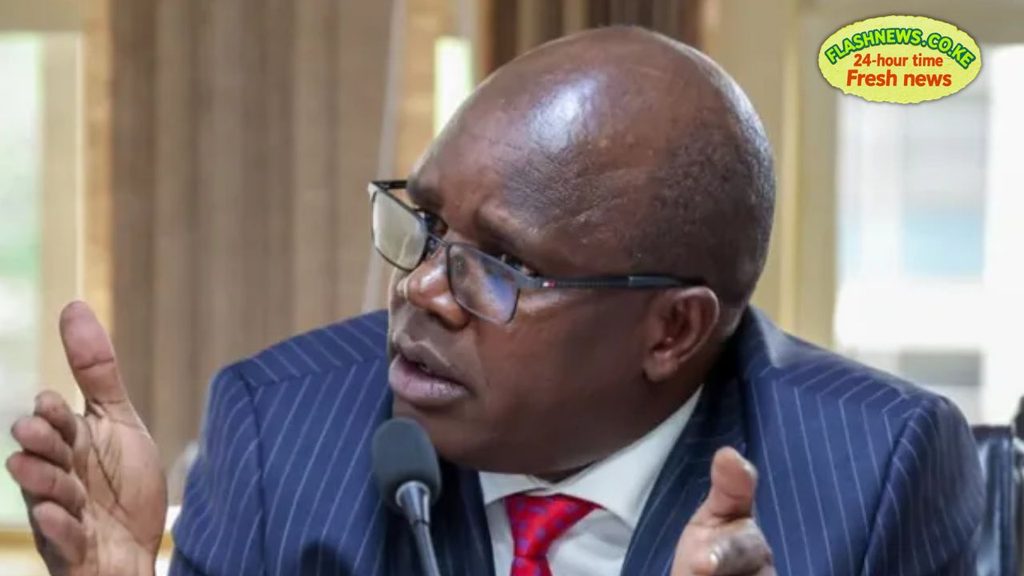
The central issue is no longer simply whether lecturers have returned to class. It is whether the government will provide the resources required to sustain the agreement and prevent another confrontation.
Also Read: Court Orders TSC to Compensate Teachers Who Served in Acting Positions Without Allowances