


President William Ruto has announced plans to introduce changes to Kenya’s university funding model from January 2027, pledging that no student will miss out on higher education because their parents cannot afford the fees.
Speaking during a rally in Nyamira County on Sunday, November 8, 2026, the President said his administration was developing a new financing framework to address challenges affecting students under the current higher education funding system.

Ruto assured parents that financial difficulties should not prevent their children from joining universities, pursuing diploma courses or enrolling at the Kenya Medical Training College (KMTC).
He said the government was committed to expanding access to higher education by ensuring that students could pursue their academic ambitions regardless of their families’ financial circumstances.
The Head of State also disclosed that the government was pursuing legislative changes to support the proposed reforms. He expressed his desire to have the necessary legislation addressed before Parliament proceeded on its December recess.
“We have developed a new funding model which will start in January. I want to ensure that no Kenyan child is denied an opportunity to go to university, pursue a diploma or join KMTC because their parents cannot afford the fees,” Ruto said.
Ruto targets challenges in university funding model
The announcement comes amid continued debate over the affordability and effectiveness of Kenya’s higher education financing arrangements.
The Student-Centred Funding Model was introduced in 2023 to replace the previous Differentiated Unit Cost system.
Under the current framework, eligible students receive financial support through government scholarships and loans from the Higher Education Loans Board (HELB). The amount of assistance awarded is determined by students’ assessed financial circumstances.
Students from extremely vulnerable and needy households are eligible for higher levels of government support, while those from relatively wealthier families are expected to contribute a larger share of their education costs.
However, the model has faced criticism from students, parents and education stakeholders over the assessment of household income, the categorisation of applicants and the level of financial assistance provided.
Some families have raised concerns about their ability to meet the fees allocated to them, while legal challenges have also affected the implementation of the funding arrangements.
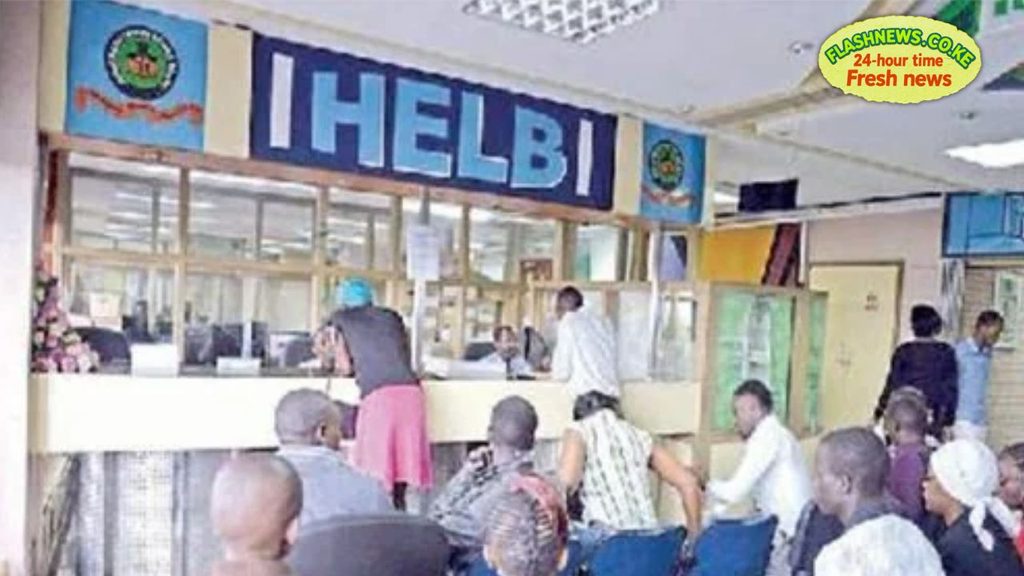
These concerns have placed university financing among the major education policy issues facing the government.
New university funding law expected
Ruto’s announcement points to another possible overhaul of the country’s higher education financing system.
The proposed reforms are expected to address weaknesses in the existing arrangements and establish clearer mechanisms for supporting students from different economic backgrounds.
The proposed legislation will be particularly important in determining how the new framework will operate.
Among the issues requiring clarification are the criteria for awarding government scholarships, access to HELB loans and the proportion of education costs that households will be expected to meet.
The government will also need to explain how the changes will affect students already enrolled in universities, as well as those preparing to join higher education institutions in 2027.
Students await details of January 2027 reforms
Although the President has identified January 2027 as the proposed implementation date, several details of the new funding model remain unclear.
Students and parents will be seeking clarification on whether the reforms will reduce household contributions, increase government scholarships or introduce a substantially different financing structure.
There are also questions about how public universities, KMTC and other tertiary institutions will receive funding under the proposed arrangements.
For families struggling to meet the cost of higher education, the planned changes could represent an important development.
However, the success of the reforms will depend on whether they deliver more affordable education, reliable funding for institutions and adequate financial support for students from low-income households.

The coming weeks will therefore be important as the government moves towards presenting the proposed changes and securing the legislative support required for the targeted January 2027 rollout.
Also Read: University Lecturers Demand Government Guarantee for Sh20 Billion Return-to-Work Agreement