

Ndindi Nyoro Explains Absence During Finance Bill 2026 Vote as Kenyans Demand Accountability





Kiharu MP Ndindi Nyoro has broken his silence after missing the crucial National Assembly vote on the Finance Bill 2026, explaining that he was outside the country on official engagements that could not be postponed.
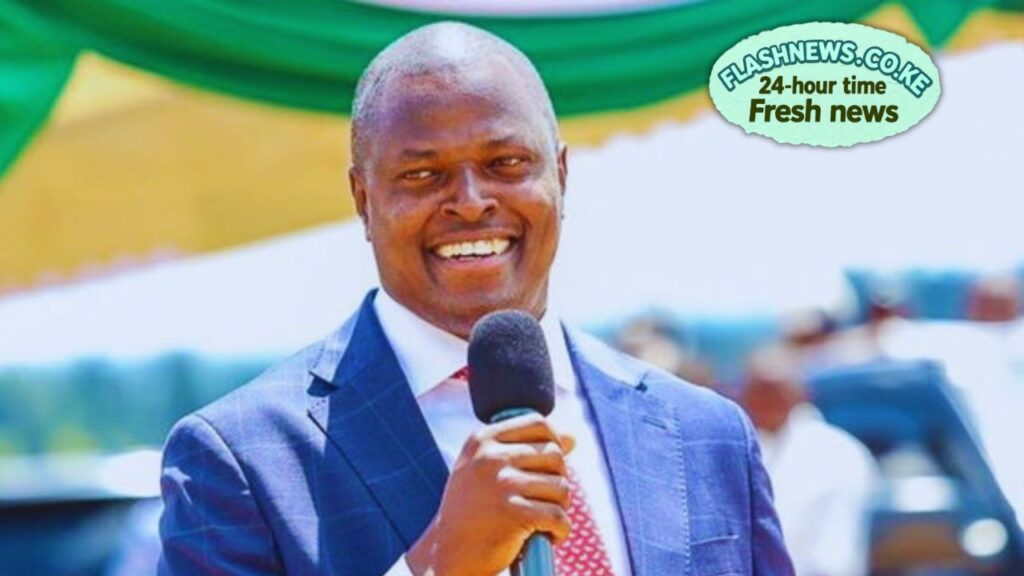
The influential legislator addressed the matter in a statement issued on Friday, June 19, acknowledging public disappointment over his absence during one of the most closely watched parliamentary votes of the year.
The Finance Bill 2026, which contains a range of tax and revenue-raising measures, was passed by the National Assembly on Wednesday evening amid intense public scrutiny and growing concerns over the cost of living.
According to Nyoro, his absence from the House was occasioned by an official trip abroad that had already been scheduled.
“The vote for the Finance Bill happened yesterday. Disappointingly, I was not in Parliament. I travelled out of the country on Wednesday evening for engagements that could not have been postponed. But no explanation should absolve the blame,” Nyoro stated.
Despite defending the circumstances surrounding his absence, the MP accepted responsibility and acknowledged the criticism directed at him by members of the public.
He revealed that he had spent time reviewing reactions from Kenyans following the vote, saying public feedback remains an important component of democratic accountability and effective representation.
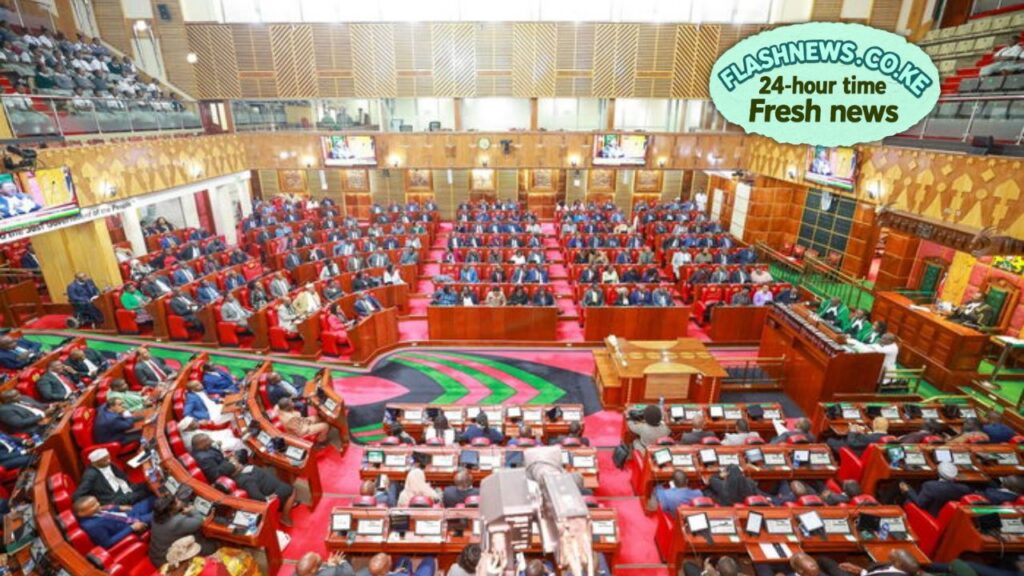
The Kiharu lawmaker further noted that he had actively participated in discussions surrounding both the Finance Bill 2026 and the Appropriations Bill throughout the legislative process.
According to him, he contributed to deliberations in parliamentary committees and on the floor of the House, where he sought to present alternative economic viewpoints and policy proposals.
Nyoro also raised concerns about what he described as a unique political environment within Parliament, arguing that oversight has become increasingly difficult at a time when both Majority and Minority leadership often appear to support similar positions on key issues.
The MP specifically referenced proposals aimed at lowering fuel prices, saying he had previously presented recommendations before relevant parliamentary committees. However, he claimed that the proposals were ultimately omitted from the final report produced by the Finance Committee.
He further disclosed that attempts to advance some of the proposals through a private member’s bill encountered procedural hurdles after they were classified as a “Money Bill,” a category that limits the ability of individual MPs to independently introduce such measures.
Nyoro said guidance from parliamentary offices indicated that some of the proposals could be revisited after completion of the Finance Bill process, citing heavy workloads within the Parliamentary Budget Office and other legislative departments.
The legislator also pointed to previous interventions that he believes helped shape national policy debates, including opposition to proposals seeking an increase in secondary school fees and plans involving the sale of major state-owned enterprises.
According to Nyoro, a combination of parliamentary scrutiny, public participation and legal challenges contributed to halting those initiatives.
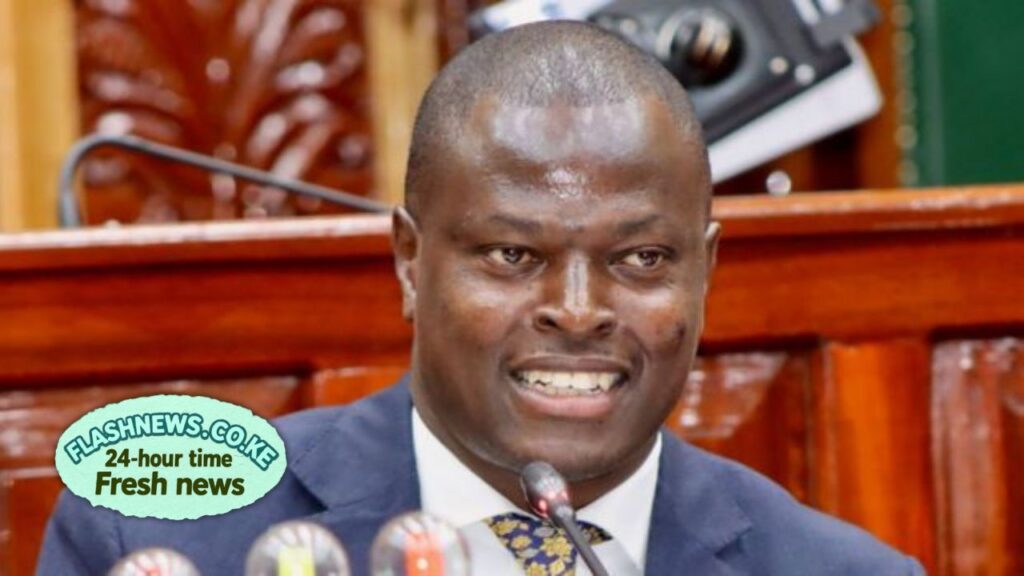
“We have taken it upon ourselves to tabulate, collate and analyse economic-related information which we share with leaders for better oversight,” he said.
His remarks come at a time when public interest in Parliament’s handling of economic legislation remains high, particularly following widespread debates over taxation, government spending and the broader impact of fiscal policies on Kenyan households.
Also Read: CBK Foreign Reserves Fall by Ksh11.77 Billion as Remittance Growth Slows