






TSC Rolls Out IVF Cover for Teachers in Major SHA Scheme Overhaul After Months of Protests
The Teachers Service Commission (TSC) has announced a significant expansion of its medical benefits, unveiling access to In-Vitro Fertilisation (IVF) treatment for teachers under the Social Health Authority (SHA) Mwalimu Comprehensive Cover.
In a statement issued on Thursday, April 30, the commission confirmed that the long-awaited benefit has now been activated, marking a major shift in the scheme that has faced mounting criticism from teachers in recent months.
According to TSC, the IVF services officially took effect on April 24 and are currently available at The Nairobi West Hospital, a facility accredited under the programme.
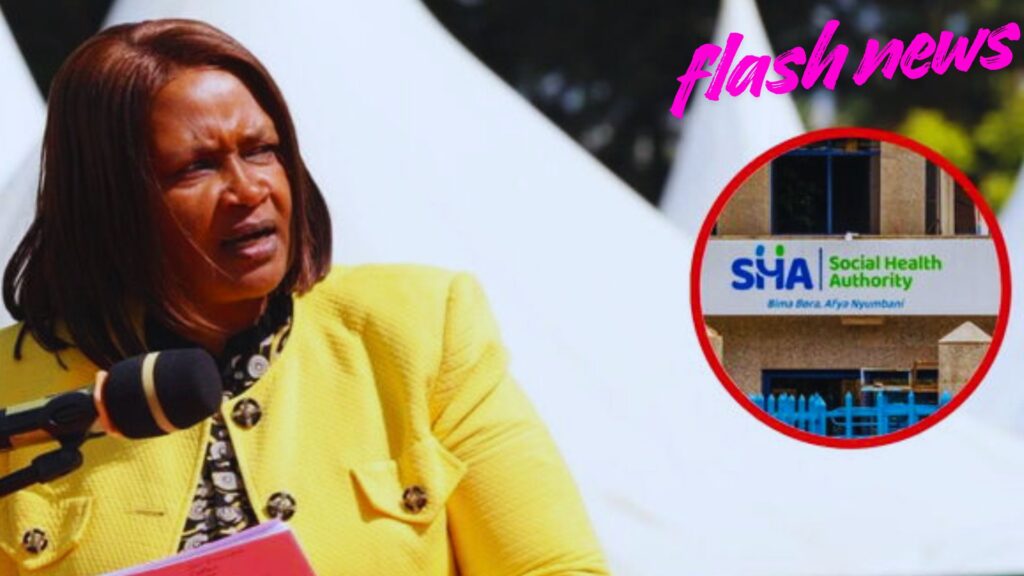
“The Teachers Service Commission is pleased to inform all eligible members that the Social Health Authority has formally activated In-Vitro Fertilisation services under the SHA Mwalimu Comprehensive Cover,” the commission said.
“This benefit is now accessible at The Nairobi West Hospital, a contracted and accredited healthcare provider under the scheme, with immediate effect.”
Push to Address Infertility Concerns
The development comes amid growing pressure on TSC to enhance the medical cover, with teachers previously raising concerns over gaps in critical health services.
TSC said the inclusion of IVF follows SHA’s recognition of infertility as a medically acknowledged condition with wide-ranging physical, emotional and social impacts.
“SHA recognises infertility as a medically recognised condition with significant physical, emotional and social effects. This benefit is designed to provide safe, quality care to affected members and their families,” the statement added.
Who Qualifies for IVF Cover?
Under the revised terms, the benefit will be accessible to the principal TSC member and their legally declared spouse.
To qualify, couples must provide documented proof of failure to conceive after at least 12 months of regular unprotected intercourse, or submit certification from a qualified medical specialist.
Additional conditions include:
- The female partner must be aged 41 years or below at the start of treatment
- Both primary and secondary infertility cases are eligible
- For secondary infertility, applicants must not have a living child at the time of treatment
Limits and Cost Implications
TSC further clarified that the benefit will cover a maximum of two IVF attempts per beneficiary over their lifetime.
However, the commission warned that unsuccessful or cancelled procedures—including failed fertilisation, absence of viable embryos or failed implantation—will still count toward the member’s inpatient cover.
This means any costs incurred during incomplete or failed cycles will be deducted from the overall medical benefit limit.
Mounting Expectations
The move is likely to be welcomed by thousands of teachers across the country, many of whom have been pushing for more inclusive healthcare provisions under the SHA scheme.
It also signals a broader policy shift by the government to address reproductive health challenges, which experts say remain underfunded and often overlooked.
Also Read: IEBC Registers 2.3M Voters in 30 Days, Declines Extension