


Russia temporarily shut down operations at all four major airports in Moscow following an overnight drone attack that disrupted hundreds of flights, creating travel chaos in the Russian capital shortly after President Vladimir Putin hosted Kenyan President William Ruto and other African leaders at the Russia-Africa summit.
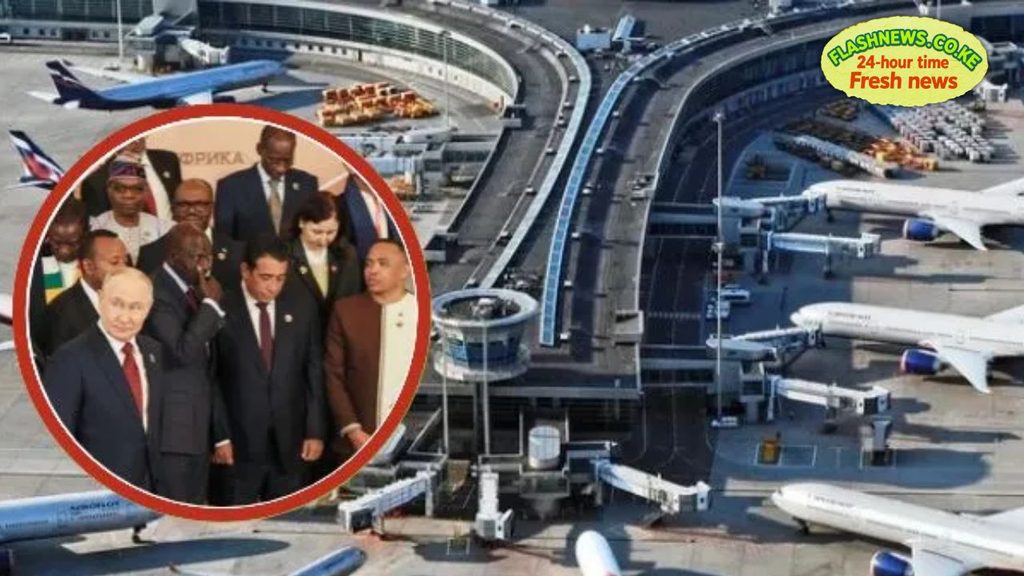
The aviation restrictions affected Sheremetyevo, Vnukovo, Domodedovo and Zhukovsky airports on Thursday night and Friday morning, October 30, 2026, forcing airlines to cancel and delay flights as Russian authorities responded to the reported security threat.
The disruption came at a particularly sensitive time for Moscow, which had just hosted the Third Russia-Africa Summit from October 28 to 29. The high-level gathering brought together African presidents, government officials and representatives from different countries to discuss trade, investment, security and economic cooperation with Russia.
According to reports, the airport restrictions lasted for nearly nine hours before authorities began gradually restoring normal operations on Friday morning.
The disruption affected passengers travelling into and out of Moscow, while some aircraft scheduled to land in the Russian capital were diverted to alternative airports.
Moscow Mayor Sergei Sobyanin claimed that 862 drones had been launched towards the Moscow region between Thursday evening and Friday morning, with Russian air defence systems intercepting many of them.
The airport closures highlighted the continuing security and aviation challenges facing Russia amid its ongoing war with Ukraine.
All Four Moscow Airports Temporarily Shut Down Following Drone Threat
Russia’s aviation authorities imposed restrictions on aircraft arrivals and departures at the four major airports serving Moscow following reports of a large-scale overnight drone attack.

The affected facilities were Sheremetyevo, Vnukovo, Domodedovo and Zhukovsky airports.
The restrictions were introduced as Russian authorities sought to respond to the reported threat and maintain aviation safety around the capital.
According to reports, Russia’s Federal Air Transport Agency, Rosaviatsiya, began lifting some of the restrictions at approximately 8am on Friday.
Sheremetyevo and Zhukovsky were among the first airports to have their restrictions lifted, while Vnukovo and Domodedovo continued operating under special clearance arrangements.
The temporary closures disrupted airline schedules and affected passengers who had planned to travel through Moscow.
Some aircraft heading to the capital were forced to divert to other airports as aviation authorities managed the situation.
The incident added to a series of aviation disruptions experienced in Russia in recent months as drone attacks and security alerts have increasingly affected air travel.
More Than 400 Flights Cancelled or Delayed in Moscow
The overnight restrictions caused significant disruption to airline operations, with reports indicating that more than 400 flights were cancelled or delayed across Moscow’s airports.
Sheremetyevo recorded the highest number of cancellations, with approximately 170 flights affected.
Vnukovo followed with 48 cancellations, while Domodedovo recorded four cancellations and Zhukovsky reported one.
Vnukovo also experienced substantial delays, with 111 flights reportedly affected.
The disruption forced airlines to adjust their schedules and make alternative arrangements for passengers whose journeys were interrupted.
Some passengers experienced lengthy waiting periods as airlines worked to manage the cancellations and delayed departures.
Aircraft that had been scheduled to land in Moscow were also diverted to other destinations to avoid the restricted airspace.
St Petersburg’s Pulkovo Airport reportedly received 27 diverted flights, adding pressure to airport operations as passengers waited for information about their onward journeys.
The incident demonstrated how drone-related security restrictions can affect commercial aviation beyond the immediate area where the threat is reported.
Moscow Mayor Reports 862 Drones Launched Towards the Capital
Moscow Mayor Sergei Sobyanin provided an account of the reported drone activity, claiming that 862 drones had been launched towards the Moscow region between Thursday evening and Friday morning.
He said Russian air defence systems had intercepted many of the unmanned aerial vehicles before they reached the capital.
The reported number highlighted the scale of the security operation undertaken by Russian authorities during the overnight incident.
However, the figure represents the Russian mayor’s account and has not been independently established.
Russia has increasingly faced drone-related security alerts as its conflict with Ukraine continues.
The attacks have reportedly targeted different locations, including military facilities, energy infrastructure and other strategic sites.
The latest incident came amid continuing exchanges between Russian and Ukrainian forces, with both sides reporting military operations involving drones.
The closure of Moscow’s airports demonstrated the wider consequences of the conflict for civilian infrastructure and international travel.
Airport Disruption Comes Shortly After Putin Hosts President Ruto and African Leaders
The airport closures occurred shortly after Russian President Vladimir Putin concluded the Third Russia-Africa Summit in Moscow.
The two-day meeting, held from October 28 to 29, brought together African leaders and government delegations seeking to strengthen economic, political and diplomatic relations with Russia.
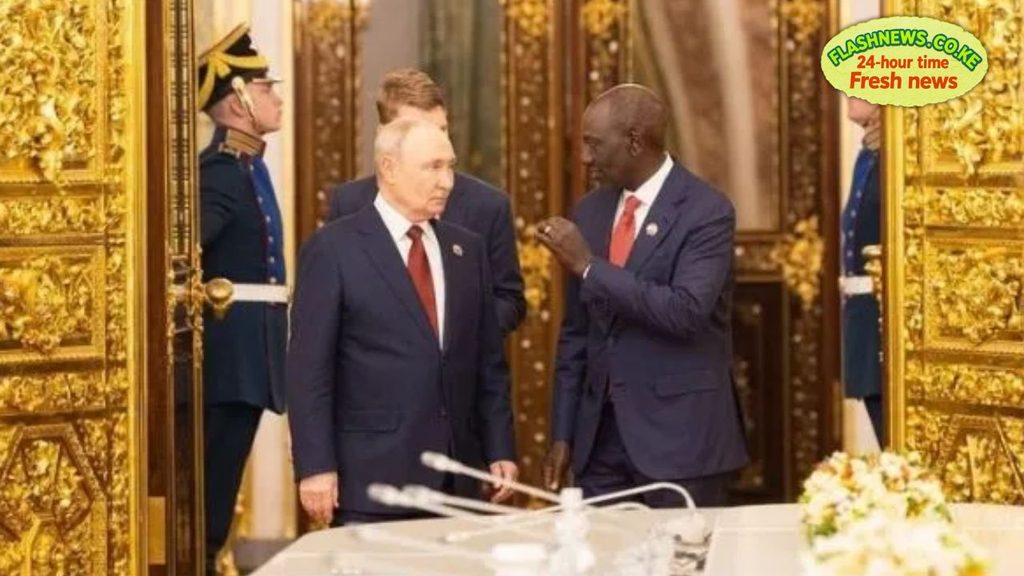
President William Ruto was among the leaders who attended the gathering.
The Kenyan Head of State travelled to Russia on Tuesday, October 27, accompanied by First Lady Rachel Ruto, Prime Cabinet Secretary Musalia Mudavadi and other senior government officials.
During the summit, Ruto held discussions with Putin on opportunities to strengthen economic cooperation between Kenya and Russia.
The discussions formed part of Kenya’s wider efforts to expand international partnerships in areas such as trade, investment and economic development.
According to reports, delegations from 48 of Africa’s 54 countries attended the summit, with 22 countries represented by their heads of state.
The gathering provided Moscow with an opportunity to engage African governments on trade, energy, mining, agriculture, education, healthcare and security cooperation.
Despite the timing of the airport disruption, there was no immediate indication that the drone incident had specifically targeted the visiting African leaders or the summit venue.
What Putin Discussed With African Leaders During the Russia-Africa Summit
The summit was organised against the background of Russia’s efforts to strengthen its political and economic relationships across Africa.
Putin used the gathering to promote closer cooperation between Moscow and African governments, describing Russia and African countries as partners with shared interests in shaping international relations.
Economic cooperation was among the major issues discussed during the meeting.
Putin highlighted trade between Russia and African countries, stating that bilateral trade had exceeded US$27 billion in the previous year.
He also pointed to opportunities for expanding cooperation in energy, mining, industrial production, transport and logistics.
Food security and agricultural cooperation were other important areas of discussion.
Russia highlighted its grain and fertiliser exports to African markets, while leaders discussed the importance of reliable supplies and stronger economic partnerships.
Education and healthcare also featured in the discussions, with Russia pointing to the number of African students studying in Russian universities and opportunities for expanding academic cooperation.
For Kenya, the summit provided an opportunity to strengthen diplomatic and commercial engagement with Moscow.
The discussions between Ruto and Putin were particularly important as Kenya continues pursuing international partnerships that could support trade, investment and economic development.
Ukraine War Continues to Affect Russian Airports and Civil Aviation
The latest Moscow airport closures came amid Russia’s ongoing war with Ukraine, which has increasingly affected civilian infrastructure and transportation systems.
Since the beginning of Russia’s full-scale invasion of Ukraine in February 2022, both countries have relied heavily on drone technology in military operations.
Ukraine has repeatedly launched drone attacks against targets inside Russia, while Moscow has also continued its military operations against Ukrainian territory.
In recent months, drone-related security alerts have increasingly forced Russian aviation authorities to suspend flights at airports in Moscow and other regions.
Such restrictions are generally introduced as precautionary measures when authorities identify a potential threat to aircraft operating in affected airspace.
The measures can result in cancelled flights, delayed departures, diversions and lengthy passenger waiting periods.
Moscow’s four major airports have experienced repeated disruptions during October 2026, highlighting the challenges facing Russia’s aviation sector as the war continues.
The latest incident was therefore part of a wider pattern of security-related aviation interruptions rather than an isolated operational challenge.
Were African Leaders Affected by the Moscow Airport Closures?
The airport restrictions raised questions about whether visiting African leaders and their delegations were affected by the disruption.
The summit had attracted senior government representatives from across the continent, including President Ruto, whose visit was part of Kenya’s efforts to strengthen relations with Russia.
However, available reports did not immediately establish that the airport closures disrupted the movements of the visiting presidents or that any African delegation had been directly targeted.
The reported security incident occurred shortly after the summit concluded, although the timing raised concerns about the wider security environment in the Russian capital.
The restrictions primarily affected commercial aviation operations, with aircraft diverted and passengers experiencing delays.
There was no immediate confirmation that the visiting African leaders had been caught up in the disruption.
What Happens Next After Moscow’s Airport Closures?
Following the overnight incident, Russian aviation authorities began easing restrictions as airport operations gradually resumed.
The restoration of normal services was expected to help airlines manage the backlog of delayed and cancelled flights.
However, the continuing threat of drone attacks remains a challenge for Russia’s aviation sector.
Airlines operating through Moscow may continue facing operational uncertainty whenever security authorities impose temporary restrictions on the surrounding airspace.
For international passengers, the disruptions highlight the importance of monitoring airline announcements and airport advisories when travelling through destinations affected by security alerts.
For African countries, the incident also demonstrates the importance of considering wider geopolitical and security developments when pursuing diplomatic and economic engagement with international partners.
As Russia continues its war with Ukraine, the effects are likely to extend beyond military operations, with aviation, trade, infrastructure and international travel remaining vulnerable to further disruptions.
Also Read: EPRA Proposes Mandatory Online Clearance for Fuel and Cooking Gas Importers: New Rules, Requirements and Public Participation Dates