


The Energy and Petroleum Regulatory Authority (EPRA) has proposed new regulations that will require fuel and cooking gas importers, exporters and licensed transporters to process consignment clearance documents through a government online platform, in a move aimed at strengthening regulatory oversight and improving transparency in Kenya’s petroleum sector

The proposed changes will introduce mandatory electronic processing of petroleum and liquefied petroleum gas (LPG) consignments through the National Electronic Single Window System (NESWS), also known as the Trade Facilitation Platform (TFP).
EPRA announced the planned changes in a public notice issued on Friday, October 30, 2026, explaining that it was working with the Kenya Trade Network Agency (KenTrade) to integrate its regulatory services into the digital platform.
The new arrangement is expected to change how businesses involved in the importation, exportation, transportation and movement of petroleum products and cooking gas submit their regulatory documents.
Under the proposed system, affected businesses will be expected to complete clearance procedures electronically instead of relying on the existing submission arrangements.
Licensed petroleum and LPG transporters will also be required to submit their journey plans through the online platform, while EPRA officers will use the integrated system to verify licences held by businesses and drivers involved in the transportation of regulated products.
The authority said implementation would take place in phases, beginning with petroleum and LPG consignments before extending the system to other regulated products, including coal.
However, EPRA has clarified that the mandatory implementation date will be announced after stakeholder consultations and other preparatory activities are completed.
What EPRA’s New Online Clearance System Means for Fuel and Cooking Gas Traders
The proposed digital clearance system is part of efforts to modernise the regulation of petroleum, coal and liquefied petroleum gas activities in Kenya.
Through its partnership with KenTrade, EPRA intends to integrate its services into the National Electronic Single Window System, allowing businesses to process relevant regulatory documentation through a centralised electronic platform.
The Trade Facilitation Platform is designed to simplify trade-related procedures by allowing participating government agencies and businesses to handle documentation electronically.
For petroleum and LPG businesses, the proposed arrangement means that clearance documentation will need to be submitted through the designated online system.
Importers, exporters and transporters handling the affected consignments will be required to familiarise themselves with the platform and comply with its requirements once mandatory implementation begins.
EPRA believes that integrating its services into the system will improve efficiency, transparency and compliance across the regulated energy subsectors.
The authority also intends to strengthen the verification of regulatory documents to ensure that businesses and individuals involved in transporting petroleum products operate with valid licences.
Five Major Requirements Under EPRA’s Proposed Online Clearance Rules
The proposed changes introduce several compliance requirements for businesses involved in petroleum, cooking gas and other regulated consignments.
The main requirements include:
1. Electronic Submission of Fuel and Cooking Gas Clearance Documents
Importers and exporters handling petroleum and LPG consignments will be required to submit their relevant clearance documentation electronically through the Trade Facilitation Platform.
The system will provide a centralised channel for processing the regulatory documents required when moving the affected consignments through border points across Kenya.
Businesses will therefore need to prepare for the transition from existing submission arrangements to the electronic process.
2. Licensed Transporters Must Submit Journey Plans Online
Another major change will affect licensed transporters responsible for moving petroleum and cooking gas consignments.
Under the proposed arrangement, transporters will be required to submit their journey plans electronically through the integrated platform.
This requirement will allow EPRA to access relevant transportation information and strengthen oversight of the movement of regulated products.
Transporters will need to understand the online submission procedures and ensure that their journey information meets the authority’s requirements.
3. EPRA to Verify Licences Through the Digital Platform
The integrated system will also enable EPRA officers to check the validity of licences held by importers, exporters, transporters and drivers.
The verification process will be conducted in accordance with the Petroleum Act, Cap 308, and its subsidiary legislation.
This means that businesses and individuals involved in the regulated activities will need to ensure that their licences remain valid and that their compliance documents are properly maintained.
The digital verification process is expected to make it easier for the regulator to establish whether the relevant parties meet the applicable licensing requirements.
4. Businesses Must Update Their Compliance Documents
EPRA has advised affected stakeholders to review their licences and other regulatory documents before the proposed system is implemented.
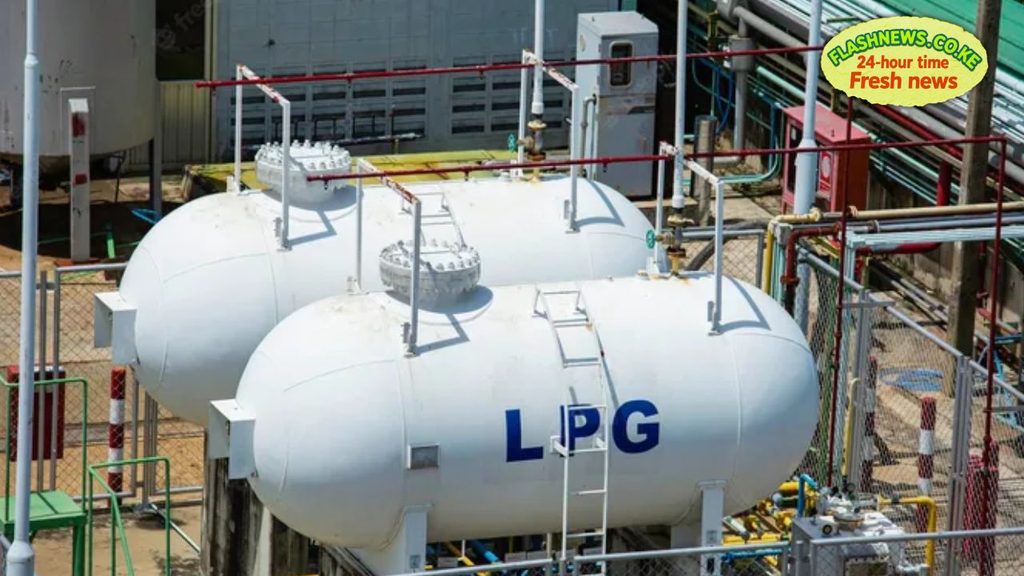
Importers, exporters, transporters and drivers should ensure that all applicable approvals and compliance records are valid and up to date.
Businesses that rely on expired or incomplete documentation may face difficulties when processing their consignments through the new electronic platform.
The authority has therefore encouraged stakeholders to prepare early rather than wait until the mandatory implementation date is announced.
5. The System Will Be Introduced in Phases
EPRA will not introduce all the proposed changes at once.
The first implementation phase will cover petroleum and liquefied petroleum gas consignments.
Coal consignments will also fall within the broader digital clearance framework, although the authority has not provided a specific date for their subsequent onboarding.
The phased approach is intended to allow the regulator and affected businesses to prepare for the transition.
EPRA Announces Public Participation Meetings Across Six Regions
Before making the proposed electronic clearance requirements mandatory, EPRA and KenTrade will conduct stakeholder sensitisation and public participation forums in different parts of the country.
The meetings will bring together importers, exporters, transporters, drivers, clearing agents, traders, licensees and members of the public who may be affected by the proposed changes.
During the forums, the two agencies will explain how the Trade Facilitation Platform will operate, outline the documentation requirements and address questions from affected businesses.
Participants will also have an opportunity to present their views, comments and recommendations before the proposed system is implemented.
The consultations will cover six regional clusters, including:
- North Eastern and Central regions: Stakeholders from Meru and surrounding counties.
- Nairobi and Eastern regions: Businesses and traders operating in Nairobi, Kiambu, Machakos and neighbouring counties.
- Coast region: Petroleum and LPG stakeholders from Mombasa and other coastal counties.
- Lake and Western regions: Traders and transporters from Kisumu and surrounding counties.
- North Rift region: Businesses operating in Eldoret and neighbouring counties.
- South Rift region: Stakeholders from Nakuru and surrounding counties.
The regional meetings are scheduled between November 2 and November 13, 2026.
Affected stakeholders are encouraged to attend the relevant meetings to understand the proposed requirements and seek clarification before implementation.
How to Submit Comments and Recommendations to EPRA
Apart from attending the regional meetings, affected businesses and members of the public can submit written comments and recommendations to EPRA.
The authority has invited stakeholders to provide feedback on the proposed integration of its services into the Trade Facilitation Platform.
Written memoranda can be submitted through EPRA’s official communication channels or delivered physically to its headquarters and regional offices.
Stakeholders can also use the public participation process to raise concerns about documentation requirements, electronic submissions, licence verification and the practical challenges businesses may face during the transition.
The consultations are being conducted in line with the public participation requirements under the Statutory Instruments Act, No. 23 of 2013.
This process will give affected parties an opportunity to contribute to the proposed regulatory changes before the authority proceeds with mandatory implementation.
When Will EPRA’s Mandatory Online Fuel Clearance Rules Take Effect?
One of the major questions surrounding the proposed changes is when importers, exporters and transporters will officially be required to start using the online clearance platform.
EPRA has not announced a confirmed commencement date.
The authority has explained that the effective date and mandatory-use requirements will be communicated after the completion of stakeholder sensitisation forums and other preparatory activities.
This means that the proposed requirements should not be confused with rules that have already taken effect.
Businesses handling petroleum and LPG consignments should nevertheless begin reviewing their licences, documentation and operational procedures to avoid last-minute difficulties.
EPRA is expected to provide further communication once the consultation process is completed and the implementation arrangements are finalised.
Will EPRA’s New Online Clearance System Affect Ordinary Fuel and Cooking Gas Consumers?
The proposed changes primarily target businesses involved in importing, exporting, transporting and clearing regulated petroleum and LPG consignments.
They are not an announcement requiring ordinary motorists to obtain online clearance before buying petrol or diesel at filling stations.
Similarly, household consumers who purchase cooking gas for domestic use are not being instructed to apply for consignment clearance through the new platform.
The requirements concern the regulatory documentation and movement of commercial consignments handled by the affected businesses.
However, the changes could indirectly affect the wider petroleum supply chain by altering how regulated consignments are documented and cleared.
EPRA has presented the digital integration as part of its broader efforts to improve regulatory compliance and the efficiency of operations within the energy sector.
Why EPRA Is Moving Petroleum and LPG Clearance Services Online
The proposed digital transformation reflects the government’s wider efforts to simplify trade procedures and improve coordination between regulatory agencies.
Previously, businesses dealing with different government departments could face separate documentation and verification processes when handling regulated consignments.
Integrating EPRA services into the National Electronic Single Window System is intended to provide a more coordinated way of processing the relevant documents.
The platform will also give the authority an electronic channel through which to verify licences and monitor compliance among businesses and individuals involved in regulated activities.
For petroleum and LPG transporters, the requirement to submit journey plans electronically will introduce another layer of digital documentation into the transportation process.
The overall objective is to strengthen transparency, improve efficiency and support compliance with the laws governing petroleum, coal and liquefied petroleum gas operations in Kenya.
What Fuel Importers, LPG Traders and Transporters Should Do Next
With the proposed implementation approaching the consultation stage, affected businesses should begin preparing for the new electronic clearance requirements.
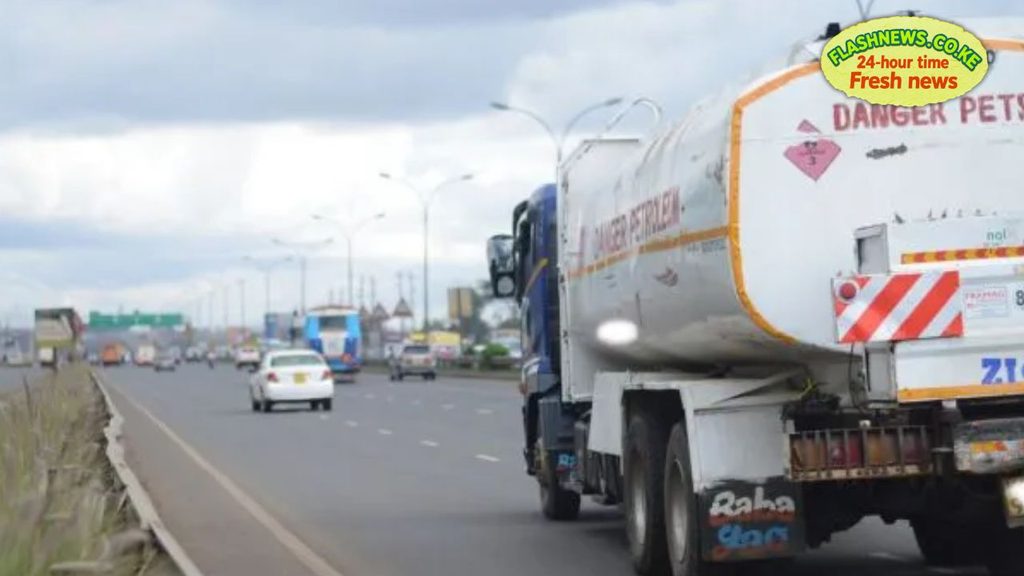
Importers and exporters should review their documentation and ensure that all relevant licences and regulatory approvals are valid.
Licensed transporters should familiarise themselves with the proposed electronic journey-plan submission process.
Drivers and clearing agents should also understand the licensing verification requirements that will apply when the integrated system becomes operational.
Businesses should follow official EPRA announcements for updates on the platform, the final procedures and the date when mandatory electronic clearance will begin.
The public participation forums will be particularly important because they will provide an opportunity for stakeholders to understand the proposed changes before they become compulsory.
For now, EPRA’s proposed online clearance system represents a significant planned change in how petroleum and cooking gas consignments will be regulated and documented in Kenya.
Also Read: Sifuna Forced to Intervene as Crowd Boos Kalonzo During Linda Mwananchi Headquarters Launch