

Ruto and Trump Near Landmark Minerals Deal Worth Trillions as Kenya Pushes for Local Processing





President William Ruto has revealed that Kenya and the United States are on the verge of signing a major agreement on critical minerals, a move that could unlock the vast mineral wealth buried beneath Mrima Hill in Kwale County and reshape the country’s role in the global supply chain.
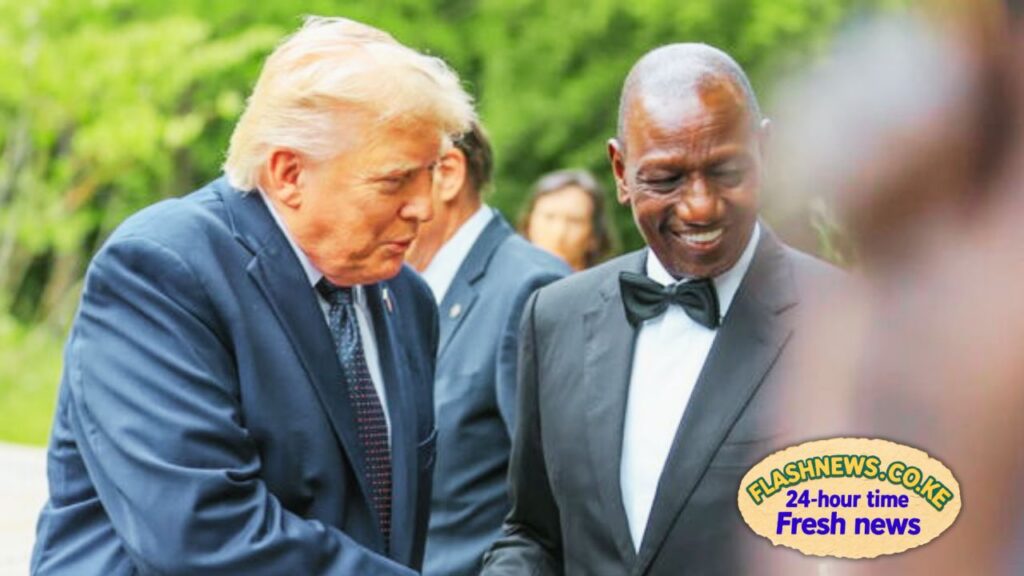
The proposed deal, discussed during high-level engagements between President Ruto and US President Donald Trump, is expected to focus on rare earth elements and other strategic minerals that are increasingly vital to modern industries, including electric vehicles, renewable energy technologies, batteries, and advanced manufacturing.
Mrima Hill, one of Kenya’s most significant mineral deposits, is believed to contain rare earth minerals with an estimated in-ground value of approximately Ksh8.1 trillion, making it one of the country’s most valuable untapped natural resource assets.
Speaking to Reuters on Wednesday, June 17, President Ruto disclosed that negotiations with Washington were at an advanced stage and that both governments had reached a broad understanding on the framework of the partnership.
“We’ve agreed with them on what is mutually beneficial between Kenya and the United States, and President Trump and the American administration are happy with it,” Ruto said.
The President further revealed that a key condition of the agreement would be the local processing of minerals, marking a significant departure from the traditional model where African nations export raw materials for processing abroad.
“We have agreed that the minerals will be processed in Kenya,” he added.
Kenya Rejects Raw Mineral Exports
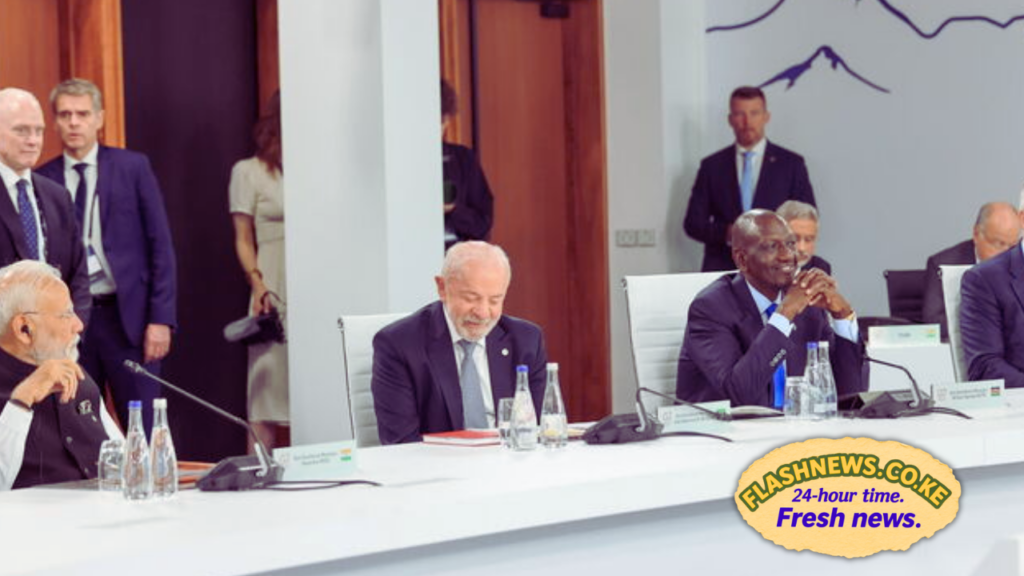
Addressing global leaders during the G7 Summit, Ruto insisted that African countries must move beyond merely supplying raw materials to foreign economies and instead build industries around their natural resources.
“The natural resources can no longer be exported and processed elsewhere. They have to be processed in-country and in-continent. We have to create value out of them,” the President stated.
He argued that processing minerals locally would create thousands of jobs, stimulate industrial growth, expand manufacturing capacity, and ensure greater benefits for Kenyan citizens.
The Kenyan leader said the policy reflects a broader shift taking place across Africa, where governments are increasingly demanding value addition before exports. He pointed to developments in the Democratic Republic of Congo, where authorities have been pushing investors to process and manufacture mineral products closer to extraction sites.
Kenya Eyes Regional Processing Hub Status
The government is seeking to position Kenya as a regional hub for mineral processing and value addition by leveraging deposits of rare earths, niobium, lithium, graphite, copper, and nickel.
Demand for such minerals has surged globally as countries race to secure supplies needed for clean energy technologies and the transition away from fossil fuels.
Ruto indicated that discussions with the United States were centred on investment-driven partnerships rather than traditional aid programmes.
According to the President, Africa’s economic future depends on industrialisation, manufacturing, and job creation rather than dependence on foreign assistance.
“We are going to reject any relationships that are based on the extraction of our natural resources,” he declared.
Global Powers Compete for Africa’s Minerals
The anticipated Kenya-US minerals agreement comes at a time when major global powers, including the United States, China, and European nations, are intensifying efforts to secure access to Africa’s vast reserves of critical minerals.
These resources are increasingly viewed as strategic assets due to their importance in producing electric vehicle batteries, renewable energy systems, defence technologies, and advanced electronics.
Despite the growing geopolitical competition, Ruto maintained that Kenya would pursue partnerships based on national interests rather than align itself exclusively with any global power.
“There are opportunities for everybody,” he said, stressing that Kenya remains open to investors willing to support local industrialisation and value addition.
If finalised, the agreement could mark one of the most significant resource investment partnerships between Kenya and the United States in recent years and potentially unlock billions of shillings in economic value from the country’s largely untapped mineral sector.
Also Read: Ruto Invites Arsenal to Kenya After Thousands Celebrate Premier League Title