

Kenyatta National Hospital Defends Acacia Tree Felling After Marabou Storks Left Injured and Displaced





Kenyatta National Hospital (KNH) has defended its decision to cut down several ageing acacia trees on its compound after the move triggered public outrage over the fate of dozens of marabou storks that had been nesting in the trees.
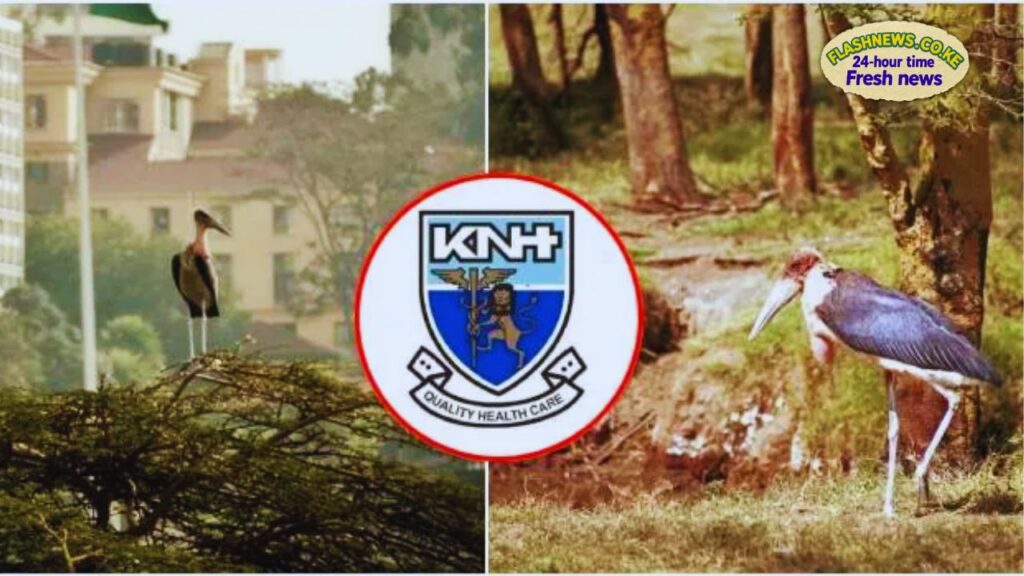
The hospital said the trees, some of which were more than three decades old, had deteriorated to the point of becoming a serious safety hazard to patients, staff, visitors and hospital property.
The controversy erupted after images emerged showing marabou storks displaced from their traditional nesting sites, with reports that some birds were injured or died following the removal of the trees.
In a notice issued on August 2, KNH sought to explain the circumstances surrounding the tree-felling exercise, insisting that the decision was based on safety concerns rather than an attempt to destroy the birds’ habitat.
“Kenyatta National Hospital (KNH) has noted the concerns raised regarding the recent removal of trees within the hospital grounds and the reported impact on the marabou storks that had nested there,” the hospital stated.
According to KNH, the affected African acacia trees had become aged and decayed, increasing the likelihood of branches breaking and falling within the busy hospital compound.
The hospital said falling trees and branches had previously damaged steam pipes, landed on parked vehicles and created potentially dangerous situations for people moving around the facility.
“Regrettably, [the falling branches] resulted in the death of some of the birds nesting in the trees,” KNH said.
The hospital further said a technical assessment conducted ahead of the rainy season found that the trees presented a significant risk and required intervention.
KNH: Decision Was About Safety
KNH Chief Executive Officer Dr Richard Lesiyampe defended the decision, describing the exercise as a preventive measure intended to protect lives and property.
The hospital maintained that the removal of the trees was not directed at the marabou storks or intended to eliminate their presence from the facility.
The explanation, however, came after members of the public raised questions over whether adequate consideration had been given to the birds before the trees were removed.
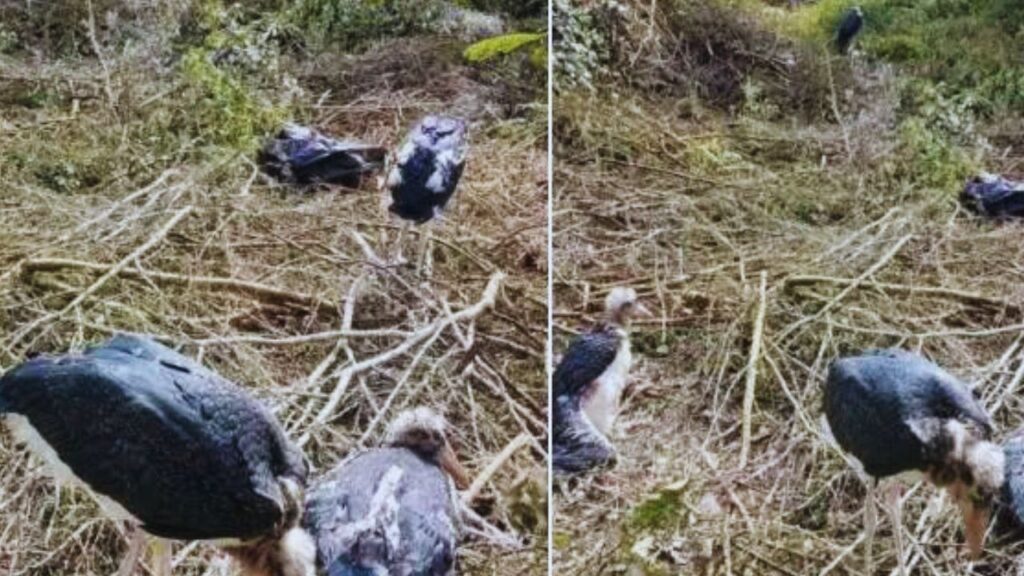
The presence of marabou storks at KNH has been a familiar sight for years, with the birds using tall trees around Nairobi as nesting and resting sites.
One social media user criticised the hospital’s decision, arguing that more attention should have been paid to the birds before the trees were brought down.
“They cut down the acacia trees this week at Kenyatta National Hospital. The marabou storks that had nested there for decades didn’t have anywhere to go. Some died. Some got injured. All because nobody thought to check what was living in those branches first,” the user claimed.
The concerns have reignited a wider debate over how Nairobi should balance public safety, urban development and the protection of wildlife living within the capital.
Why Marabou Storks Matter in Nairobi
Marabou storks are among the most recognisable large birds in Nairobi and have adapted remarkably well to life alongside humans.
The birds are natural scavengers and can play an important ecological role by consuming carrion and organic waste, helping remove potentially harmful material from the urban environment.
Their presence, however, has also generated controversy.
Large colonies can create problems because of their droppings, noise and the damage associated with large numbers of birds occupying urban trees. As a result, trees used by the birds have previously been heavily pruned or removed in different parts of Nairobi.
The storks have faced displacement in other parts of the capital as construction and redevelopment have transformed their traditional habitats.
They were previously pushed out of areas around Nyayo Stadium and along the Mombasa Road corridor during major infrastructure development, including construction associated with the Nairobi Expressway.
Other nesting sites in the Central Business District, including parts of Kenyatta Avenue and areas around the Kenyatta International Convention Centre, have also seen the birds displaced over the years.
Hospital Promises Replacement Trees
KNH said it was aware of the environmental concerns surrounding the removal of the trees and pledged to work with relevant government agencies to address the situation.
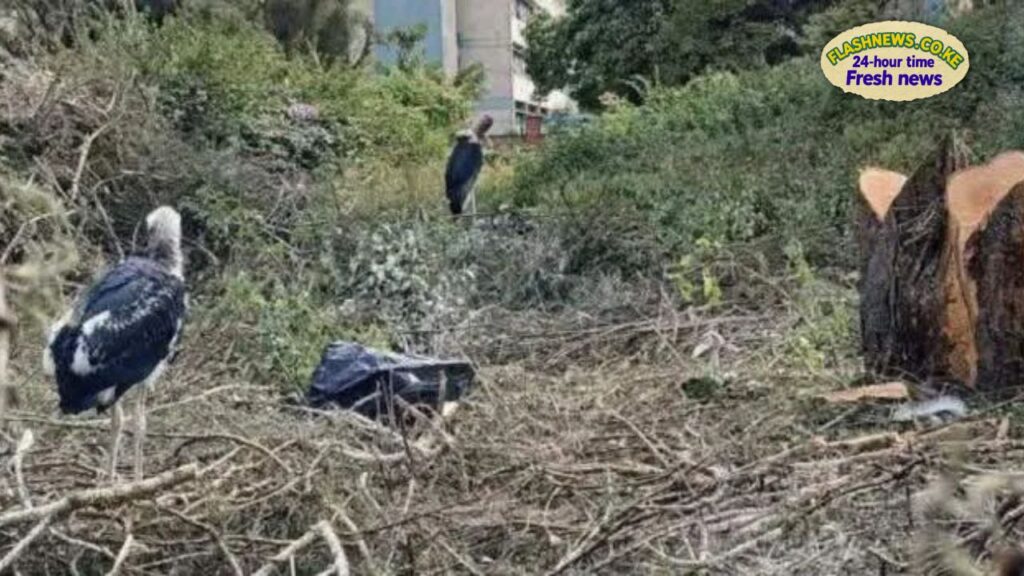
The hospital said measures would be taken to ensure the affected marabou storks receive appropriate care following their displacement.
It also promised to undertake a tree replacement programme across its compound.
The controversy nevertheless highlights a difficult challenge facing Nairobi: how to protect people and infrastructure from dangerous or ageing trees while ensuring that urban wildlife is not unnecessarily harmed.
For now, KNH insists that the decision was made as a safety precaution following a technical assessment — but the fate of the displaced marabou storks has ensured that the debate over the city’s shrinking wildlife habitats is unlikely to disappear anytime soon.
Also Read: Sifuna Denies Claims Linking Uhuru to Linda Mwananchi Funding