

Ruto Signs New CBK Law Tightening Access to Emergency Bank Funding
New CBK Law Changes Everything for Kenyan Banks as Ruto Tightens Rules on Emergency Bailouts





Banks in Kenya will now face significantly tougher conditions before they can access emergency financial support from the Central Bank of Kenya (CBK), following the signing into law of sweeping banking reforms by President William Ruto.
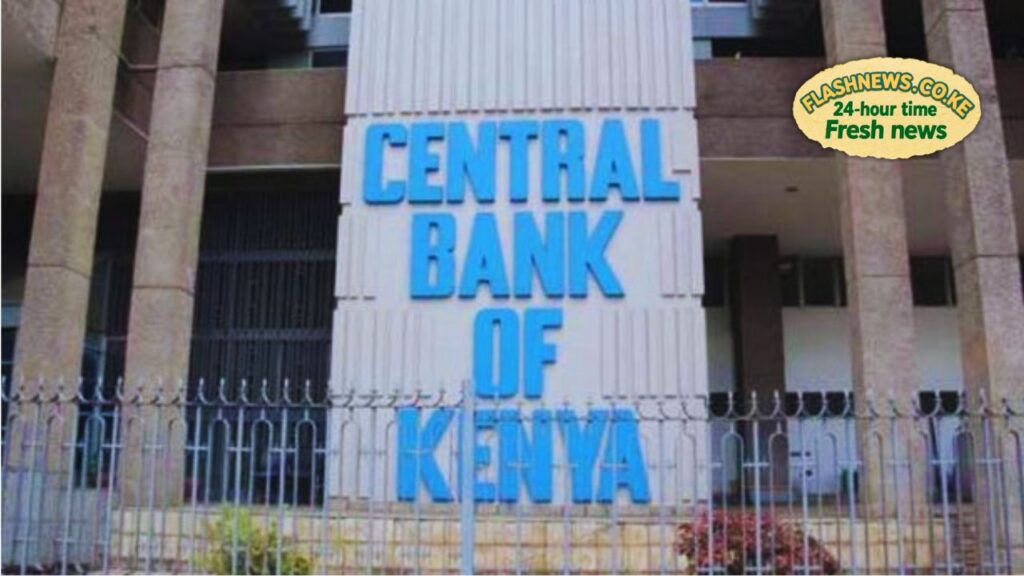
The Central Bank of Kenya (Amendment) Act, 2026, assented to by President William Ruto on Monday, July 6, introduces far-reaching changes designed to strengthen financial oversight, improve crisis preparedness and shield taxpayers from the cost of rescuing struggling financial institutions.
The legislation comes amid growing global concerns over banking resilience following a series of international financial shocks in recent years, with governments and central banks increasingly seeking to ensure that emergency support is reserved only for institutions whose collapse could threaten wider economic stability.
At the heart of the reforms is a complete overhaul of Kenya’s Emergency Liquidity Assistance (ELA) framework—the mechanism through which the CBK provides temporary funding to banks facing short-term liquidity crises.
Under the new law, banks will no longer qualify automatically for emergency funding simply because they experience cash flow difficulties. Instead, institutions must satisfy strict tests on solvency, long-term viability and systemic importance before the Central Bank can intervene.
The legislation also requires regulators to undertake a far more rigorous assessment of a bank’s financial health, operational position and the potential risks it poses to the wider banking sector before approving emergency assistance.
In a statement released after signing the Bill into law, President Ruto said the reforms are intended to strengthen confidence in Kenya’s financial system while ensuring public funds are protected during times of banking distress.
“The move will improve Kenya’s preparedness to respond to financial crises while protecting taxpayers and the banking sector,” the President said.
Financial experts say the changes represent a shift away from expectations that troubled banks can rely on automatic support from the Central Bank.
Instead, institutions that fail to meet the new eligibility requirements may face alternative interventions, including restructuring, statutory management, resolution or even closure if regulators determine that emergency funding is no longer justified.
The reforms are expected to encourage commercial banks to strengthen their liquidity planning, improve internal risk management systems and maintain healthier capital positions to withstand financial shocks without relying on government-backed support.
The Act also introduces a clearer separation between the CBK’s routine monetary policy operations and its emergency crisis interventions.
This distinction is expected to give the Central Bank greater flexibility in responding to periods of financial instability while ensuring that emergency measures are used only in exceptional circumstances rather than as part of normal liquidity management.
Beyond emergency lending, the legislation also reforms the governance of the Central Bank itself.
For the first time, nominees for the position of Deputy Governor will undergo vetting and approval by the National Assembly before appointment, bringing the process into line with that of the Governor and strengthening parliamentary oversight of the country’s top monetary authority.
The law further expands the Central Bank’s institutional responsibilities by formally recognising financial system stability and sound banking regulation as its secondary mandate, while reaffirming price stability as its primary objective.
The amendments are expected to play a key role in strengthening confidence in Kenya’s banking sector, improving crisis management and aligning the country’s financial regulatory framework with evolving international standards.
Also Read: Kenyan Referee Stephen Yiembe Makes History with UEFA Super Cup Appointment