

Victims of Police Brutality Threaten Fresh Protests Over Compensation Exclusion





Victims of alleged police brutality during the 2024 anti-government protests have threatened to stage fresh demonstrations, accusing authorities of excluding hundreds of survivors from a compensation programme intended to address human rights violations committed during the unrest.
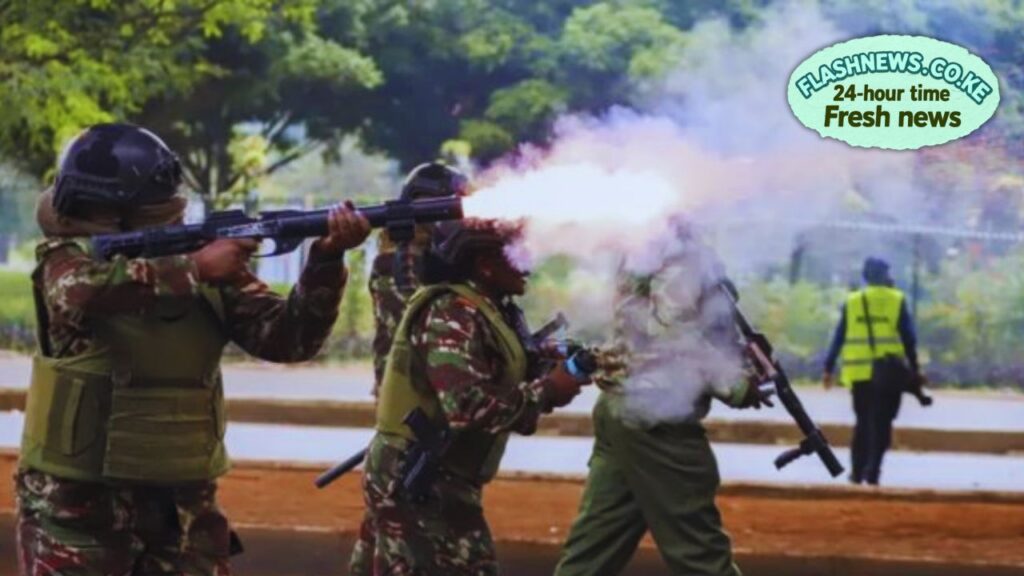
The affected individuals, speaking through the Mathare Social Justice Centre, claim that the compensation framework developed by the Kenya National Commission on Human Rights (KNCHR) and the Independent Policing Oversight Authority (IPOA) has unfairly locked out many victims despite evidence showing they suffered injuries during the protests.
The group warned that unless greater transparency is provided and excluded victims are considered, they will take their protests directly to the KNCHR headquarters.
Human rights defender Frederick Ojiro said survivors are becoming increasingly frustrated by what they describe as a lack of accountability and communication.
“If the government does not answer our questions, we will strike inside the headquarters of the KNCHR. We will move there as all the victims and survivors,” Ojiro said.
The victims argue that some of the evidentiary requirements imposed during the verification process have made it difficult for genuine claimants to qualify for compensation.
Many say they possess medical reports, hospital records, photographs, and other documents proving they sustained injuries from tear gas canisters, police batons, bullets, and other forms of force used during the demonstrations. However, they claim that requirements such as producing witnesses have become a major obstacle.
According to the survivors, many potential witnesses fear retaliation or intimidation and are therefore unwilling to come forward.
One of the victims, Anthony Wesonga, recounted his struggle to meet the verification standards despite having evidence of his injuries.
“I have the things they are asking for, but I am not able to produce a witness. Many times, when I went to make a report to IPOA and asked those who helped move me from the scene to the hospital, they refused, raising concerns about police coming after them,” Wesonga said.
The group also alleges that some police stations declined to record complaints at the time the incidents occurred, making it difficult for victims to secure official documentation and potentially affecting their eligibility for compensation.
The concerns come after KNCHR disclosed that nearly 2,000 compensation claims had been documented, including 1,022 cases submitted through IPOA.
Of those applications, 1,101 were reportedly approved for compensation. The approved claims involve a range of human rights violations, including violations of the right to life, torture, cruel and degrading treatment, sexual violence, enforced disappearances, and other abuses linked to protests held between 2017 and 2024.
Despite the announcement, victims say critical details remain unclear. They claim there has been little information regarding who qualified for compensation, the criteria used to determine eligibility, the amount each beneficiary is expected to receive, and when the payments will be made.
As a result, they are demanding the immediate publication of the beneficiaries’ list and a full breakdown of the compensation process.
Beyond financial compensation, the survivors are also calling for criminal prosecutions against police officers found responsible for unlawful conduct during the demonstrations.
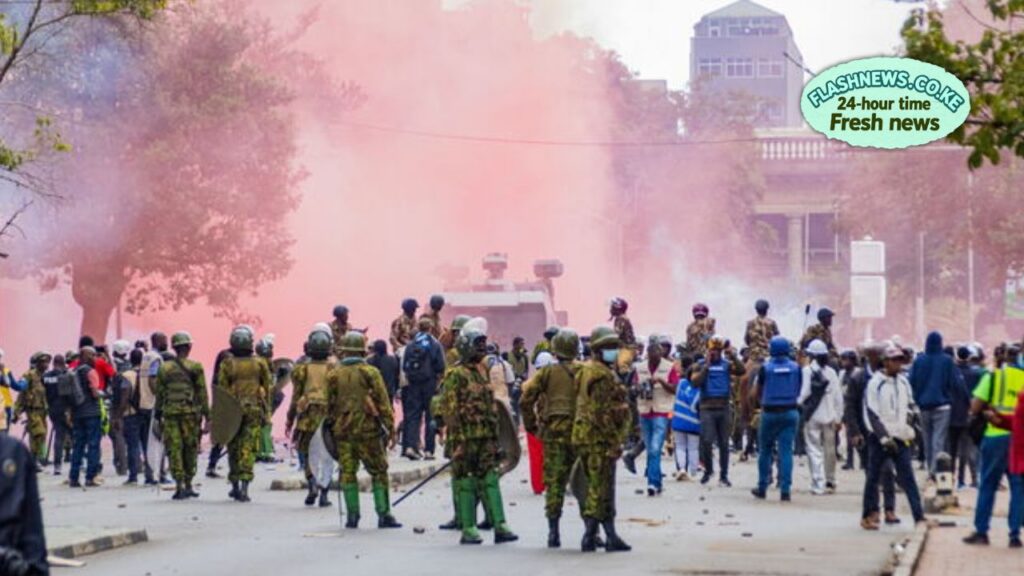
According to the victims, compensation alone cannot deliver justice or prevent similar violations from occurring in the future.
The group further wants reports submitted by civil society organisations, media houses, and the Law Society of Kenya to be included in the assessment process, arguing that many incidents were documented outside official channels.
The renewed pressure comes as the government prepares to begin disbursing part of the KSh2 billion allocated to compensate victims of human rights violations connected to protests held between 2017 and 2024.
The dispute is unfolding just days before planned demonstrations marking the anniversary of the June 25, 2024 anti-Finance Bill protests, an event that sparked nationwide outrage and left dozens of Kenyans dead, injured, or missing.
With tensions rising ahead of the commemorations, survivors insist that transparency, accountability, and justice must accompany any compensation process if public confidence is to be restored.
Also Read: Opposition Leaders to Sign Pact Backing Single 2027 Presidential Candidate