

Coffee Farmers Suffer KSh1.5 Million Loss After Thieves Raid Kiambu Factory





Farmers in Gatundu North, Kiambu County, have been left counting their losses after thieves raided a coffee factory and made away with 45 bags of coffee valued at between KSh1.3 million and KSh1.5 million.
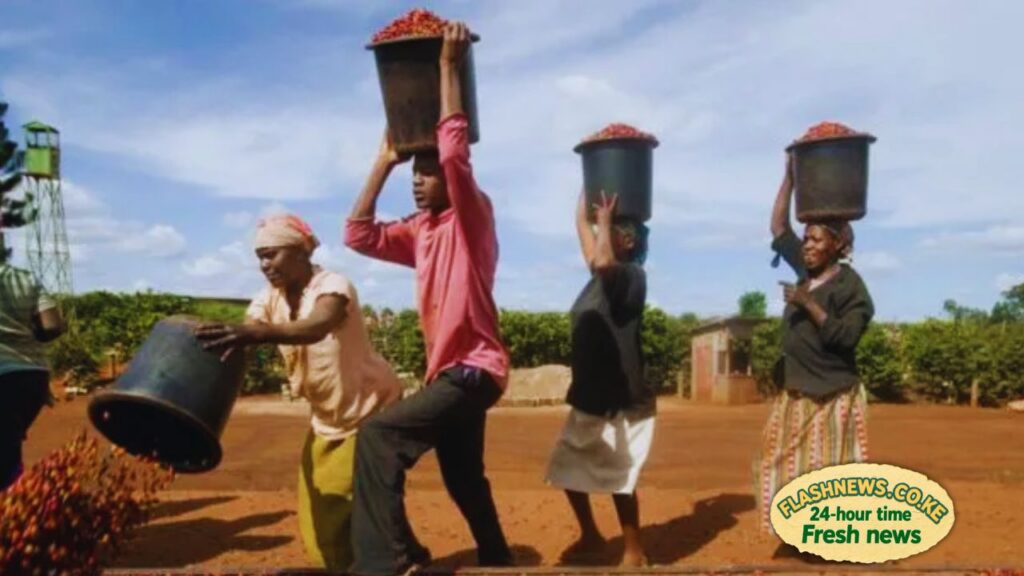
The overnight raid has sparked fresh concern among coffee growers, with farmers fearing that organised criminals could be targeting coffee factories and storage facilities during the harvesting season.
The latest incident is reportedly the third coffee-related theft reported in the area within three weeks, raising questions about security around factories holding farmers’ valuable produce.
According to a witness who was guarding the coffee at about 1am, the attackers allegedly ambushed him before tying him up.
Another person who responded after the guard called for help was also reportedly overpowered by the suspects.
The attackers then allegedly escaped with the coffee before residents and authorities could intervene.
The theft has left farmers facing a major financial setback, with residents saying the stolen produce represented months of work and income that many families were relying on to pay school fees, meet household expenses and support their livelihoods.
“We were expecting payment from this coffee to support our families. Farmers work hard throughout the season only for criminals to take everything overnight,” one resident said.
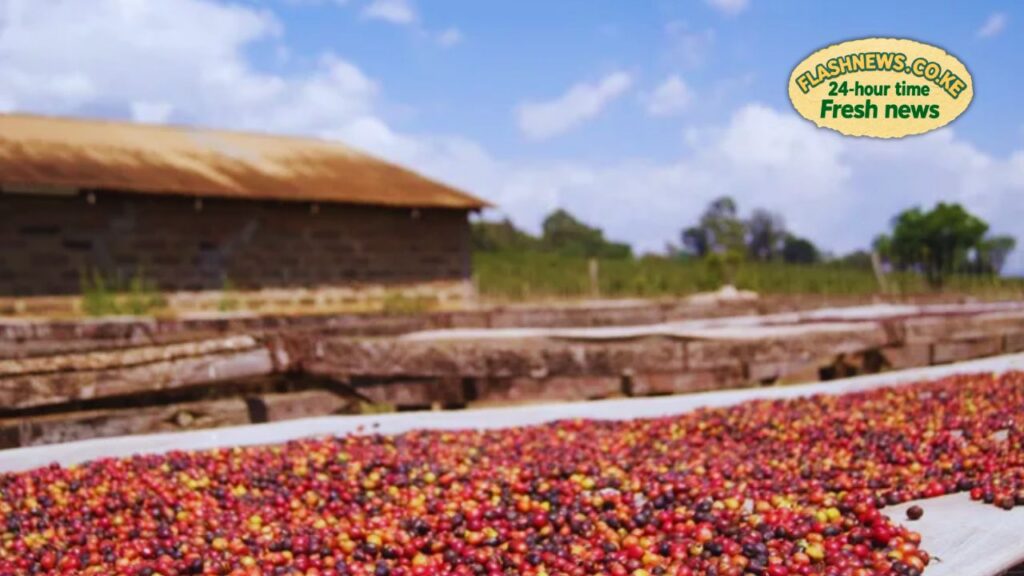
Farmers fear for future of coffee farming
The repeated incidents have intensified concerns among growers who say insecurity could discourage investment in coffee farming.
Farmers are now calling for tighter security around coffee factories, warehouses and other points where harvested coffee is stored, warning that continued theft could undermine confidence in the crop.
They also want security agencies to investigate whether the robberies are connected and establish how the stolen coffee is being moved and sold.
The concern comes at a critical time for Kenya’s coffee industry.
According to the Agriculture and Food Authority (AFA), coffee is grown in 33 counties and supports approximately 1.5 million Kenyan households directly and indirectly through the wider value chain. The authority identifies Kiambu, Kirinyaga, Nyeri, Murang’a, Kericho and Bungoma among the country’s leading coffee-producing counties.
Kiambu remains particularly important to the sector. AFA data shows that the county accounted for 17.4 per cent of Kenya’s total area under coffee production in 2023/24, the largest share of any county.
The four leading Mt Kenya coffee counties — Kiambu, Kirinyaga, Nyeri and Murang’a — collectively accounted for about 60 per cent of national coffee production in the 2020/21 figures reported by AFA.
The government has also been seeking to revive the industry. In February 2026, Agriculture Principal Secretary Kipronoh Ronoh said the government was targeting an increase in national coffee production from about 50,000 metric tonnes to 150,000 metric tonnes within three years, alongside investment in improved seedlings, research, cooperatives and market reforms.
‘We cannot work hard only to lose everything’
For farmers in Gatundu North, however, the immediate concern is protecting the harvest already produced.
They argue that improved production and better markets will mean little if farmers cannot safely store their coffee before it is sold.
The growers are therefore urging police and other security agencies to move quickly to establish who was behind the latest robbery and recover the stolen coffee.

They also want security around coffee factories strengthened to prevent further attacks.
For families dependent on coffee income, farmers say the repeated thefts are more than ordinary property crimes — they threaten livelihoods built over years of hard work.
Unless the insecurity is addressed, growers fear that some farmers could eventually abandon coffee farming altogether, undermining efforts to rebuild one of Kenya’s most important agricultural value chains.
Also Read: EAC Governors Reaffirm 2031 Target for Single East African Currency