

EAC Governors Back Single Currency by 2031 Despite Major Economic Hurdles





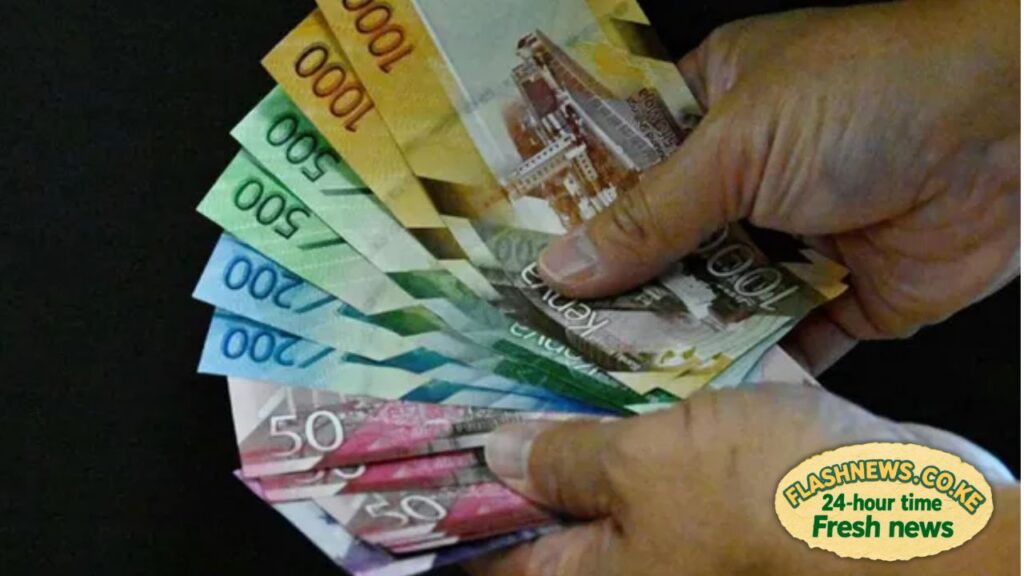
East African central bank governors have reaffirmed their commitment to establishing a single regional currency by 2031, despite admitting that member states still face significant economic hurdles before the ambitious monetary union can become reality.
The declaration came after the 29th Ordinary Meeting of the East African Community (EAC) Monetary Affairs Committee (MAC) held in Kampala, Uganda, on Friday, July 24, 2026.
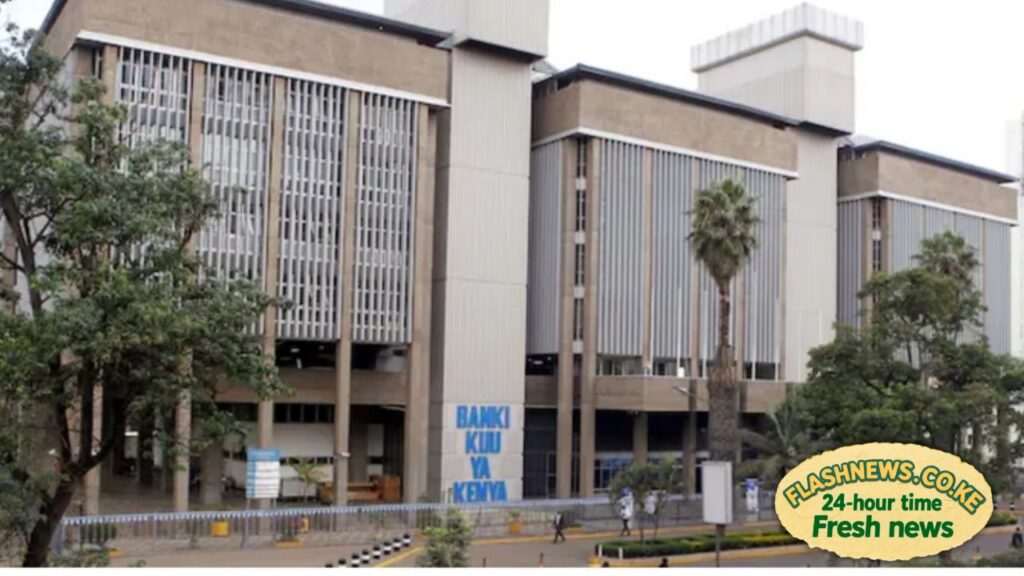
The meeting brought together governors and senior officials from the central banks of EAC Partner States to assess progress towards the East African Monetary Union (EAMU) and review the revised roadmap for introducing a common currency across the region.
The EAC has previously identified 2031 as the target for achieving a single currency, with the bloc saying the move would reduce barriers to regional trade and make cross-border transactions easier.
But behind the renewed optimism lies a significant warning.
No EAC country has met all four key targets
The governors acknowledged that none of the EAC Partner States has yet achieved all four primary macroeconomic convergence criteria required under the monetary union framework.
“Nonetheless, the meeting noted that although Partner States have undertaken significant macroeconomic reforms and implemented policies to meet the convergence criteria, the progress has remained uneven, with no Partner State having attained all four primary convergence criteria,” the committee stated.
The admission highlights the scale of the challenge facing the bloc as it attempts to move from national currencies and separate monetary policies towards a common monetary framework.
The governors said central banks had nevertheless made progress in modernising and harmonising monetary policy frameworks, improving data compilation, strengthening analytical capacity and enhancing risk-management systems.
They also pointed to greater information sharing and joint research between central banks as evidence of closer regional policy coordination.
Infrastructure spending creates fresh dilemma
One of the biggest challenges identified by the governors is the need to maintain macroeconomic stability while simultaneously financing major infrastructure and development projects.
The committee warned that this balancing act has become more difficult amid a volatile global economic environment and the economic fallout from geopolitical conflicts.
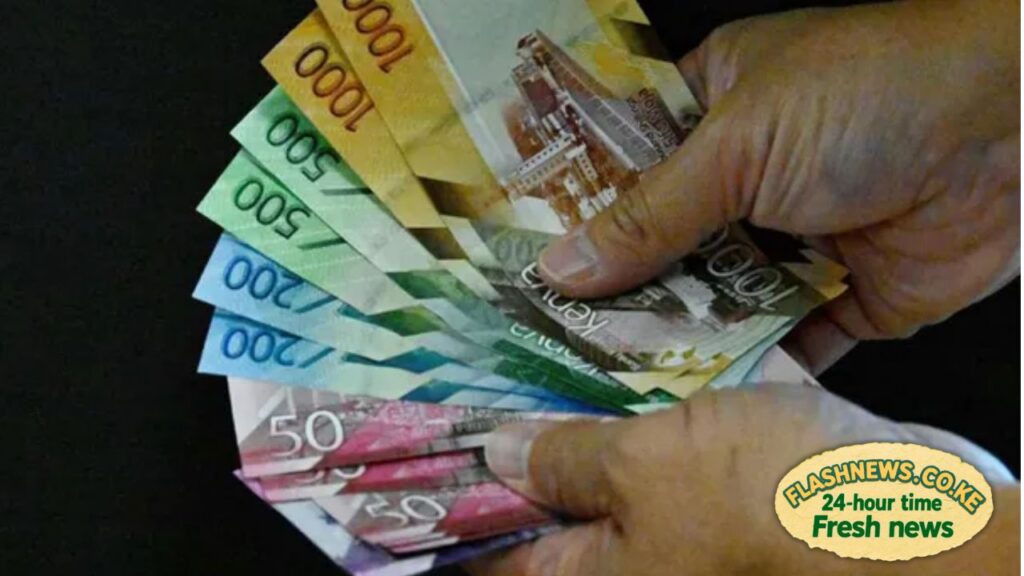
To strengthen the region’s resilience, the governors called for greater diversification of foreign-exchange reserves, including through domestic gold purchases, while urging Partner States to take measures to increase remittance inflows.
The recommendations come as EAC economies attempt to build stronger buffers against external shocks while continuing to pursue deeper economic integration.
EAC pushes payment system ahead of common currency
The push towards a single currency is also being accompanied by efforts to modernise how money moves across the region.
The governors reviewed implementation of the EAC Cross-Border Payment System Masterplan, which aims to create a more integrated regional payments environment.
The plan is intended to reduce transaction costs, shorten settlement times, improve interoperability between national payment systems and reduce fragmentation in cross-border financial transactions.
The EAC says the initiative is also designed to support financial inclusion, digital trade and greater use of local currencies.
The region has already connected central banks through the East African Payment System (EAPS) as part of efforts to improve payment and settlement infrastructure.
Governors agree to accelerate reforms
The Monetary Affairs Committee agreed to accelerate implementation of the EAMU roadmap by introducing a peer-review mechanism intended to strengthen macroeconomic surveillance and improve policy coordination among Partner States.
The governors also backed the development of operational frameworks for implementing the EAC’s Seventh Development Strategy for 2026/27 to 2030/31.
The strategy places the single currency firmly among the region’s priorities, with targets including establishing the remaining monetary-union institutions, developing an interoperable regional payment system and further integrating regional financial markets.
The EAC says the East African Monetary Institute (EAMI) is already in place, while three other institutions envisaged under the EAMU Protocol are at advanced stages of establishment.
2031 deadline now comes into sharper focus
The latest meeting therefore presents a mixed picture for the EAC’s single-currency ambitions.
On one hand, central banks are reporting progress in monetary-policy harmonisation, payment systems, financial integration and regional coordination.
On the other, the failure of any Partner State to meet all four primary convergence criteria underlines the work still required before the bloc can credibly move to a common currency.
The governors nevertheless reaffirmed their commitment to the roadmap and the 2031 target, signalling that the EAC does not intend to abandon its long-term monetary-union ambition.
If successful, the project would represent one of the most significant steps yet towards deeper economic integration in East Africa, potentially making cross-border trade and payments substantially easier for businesses and ordinary citizens across the region.
The EAC’s own development strategy describes the single currency as a tool that could facilitate seamless regional transactions and boost intra-regional trade.
For now, however, the message from the region’s central bank governors is clear: the 2031 deadline remains alive, but considerable economic reforms and coordination will be needed to turn the plan into reality.
Also Read: Gachagua Claims Ksh3bn Demand Forced BATUK Training to Tanzania