

Aden Duale issues warning as Kenya blood export claims spark uproar





The Kenyan government has moved swiftly to dismiss explosive claims circulating online that the country is exporting human blood for commercial gain, with Health Cabinet Secretary Aden Duale warning that individuals behind the viral allegations could face arrest.
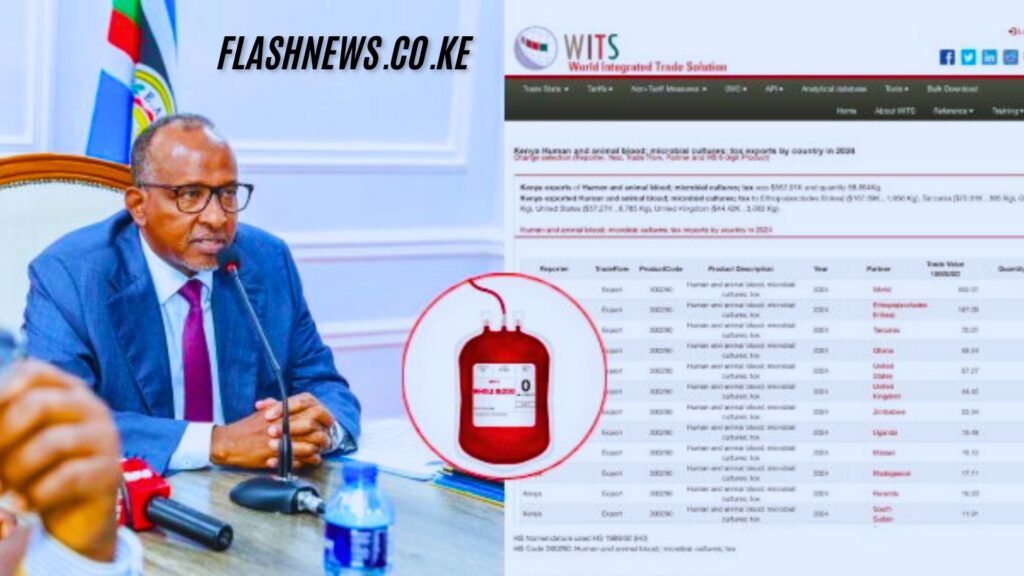
In a strongly worded statement released on Thursday, the Ministry of Health accused social media users of spreading misleading information after misinterpreting international trade data published on the World Integrated Trade Solutions (WITS) platform.
The controversy erupted after reports shared widely online claimed that Kenya had exported “human blood” worth more than USD552,000 (approximately Ksh71.2 million) in 2024, raising alarm among members of the public and triggering heated debate across social media platforms.
However, the ministry insisted that the claims were false and based on a misunderstanding of internationally recognised customs classifications used in global trade.
“Reference is made to a report published on the World Integrated Trade Solutions (WITS) website regarding Kenya’s exports of Human and animal blood; microbial cultures in 2024 and related social media reports alleging export of human blood and blood fractions,” Duale stated.
According to the Health CS, the trade category cited in the report does not refer to donated blood collected for transfusions, but instead includes a broad range of pharmaceutical and laboratory-related products such as vaccines, antisera, toxins, diagnostic kits, microbial cultures, and other biological materials.
“The referenced category of ‘Human and animal blood’ in the report is a universal trade classification that includes, among other substances, vaccines, toxins, antisera and other blood-derived products, microbial cultures, and similar products,” Duale clarified.
“This classification is a broad customs category covering a wide range of pharmaceutical, laboratory, diagnostic, research, and biological products. Importantly, this classification does not include donated blood collected for transfusion service.”
The ministry further explained that some of the exports reflected in the WITS data were linked to multinational pharmaceutical firms operating regional distribution centres in Kenya and supplying medical products to neighbouring East African countries.
Duale also disclosed that Kenya does not manufacture plasma-derived blood products, antisera for blood grouping, or clotting-factor concentrates locally. Instead, the country imports such specialised medical products from internationally accredited manufacturers.
“The Ministry of Health does not manufacture antisera for blood grouping, plasma-derived blood products, or carry out plasma fractionation for clotting factors, albumin, and immunoglobulins,” he said.
“All these products used locally are imported from internationally accredited manufacturers.”
Amid mounting public speculation, the government has now threatened legal action against those accused of spreading false health-related information online.
“The Ministry of Health will work with relevant investigative agencies to seek and apprehend persons peddling and publishing misleading health information to the Kenyan public, under the existing laws,” warned Duale.
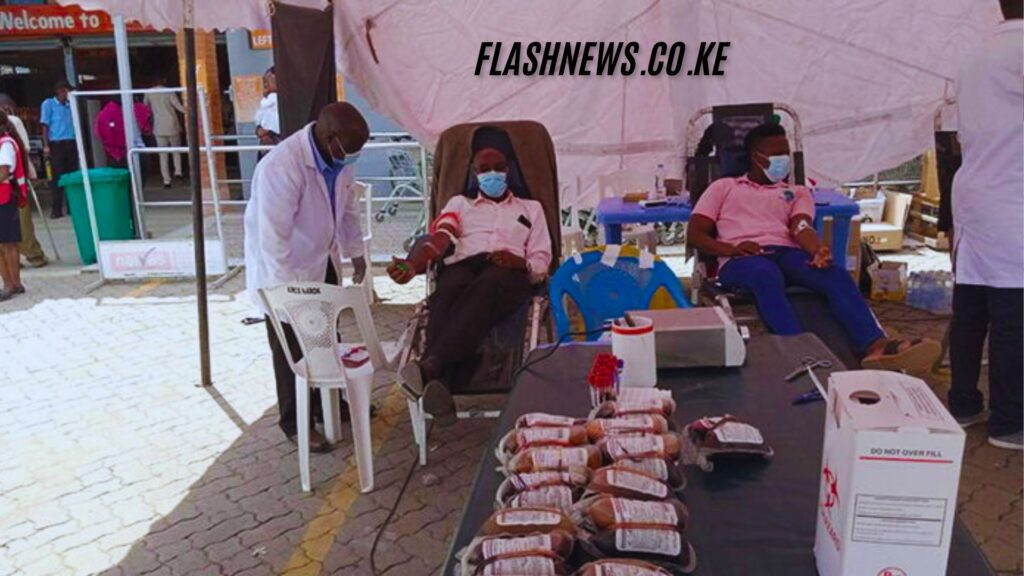
The controversy has intensified after some online accounts alleged that Kenya was among the leading regional sources of illicit blood exports, with Somalia mentioned as one of the reported destinations for cross-border blood movement.
However, Kenyan law strictly prohibits the illegal trade, sale, or trafficking of human blood and blood products. Existing and proposed legislation, including the Kenya National Blood Transfusion Service Bill 2020, seeks to impose tougher penalties on offenders, including prison terms of up to 10 years and fines of up to Ksh20 million.
The latest dispute now places renewed focus on the growing challenge facing the government in combating misinformation on social media, particularly on sensitive public health matters capable of triggering panic and mistrust among citizens.
Also Read: Gachagua Lawyer Claims Public Was Locked Out of Impeachment Process