

Kenyans face fresh freight price warning as CAK considers bid to introduce minimum charges





Importers and exporters could face a major change in the cost of clearing and forwarding services if a new pricing proposal is approved by Kenya’s competition regulator.
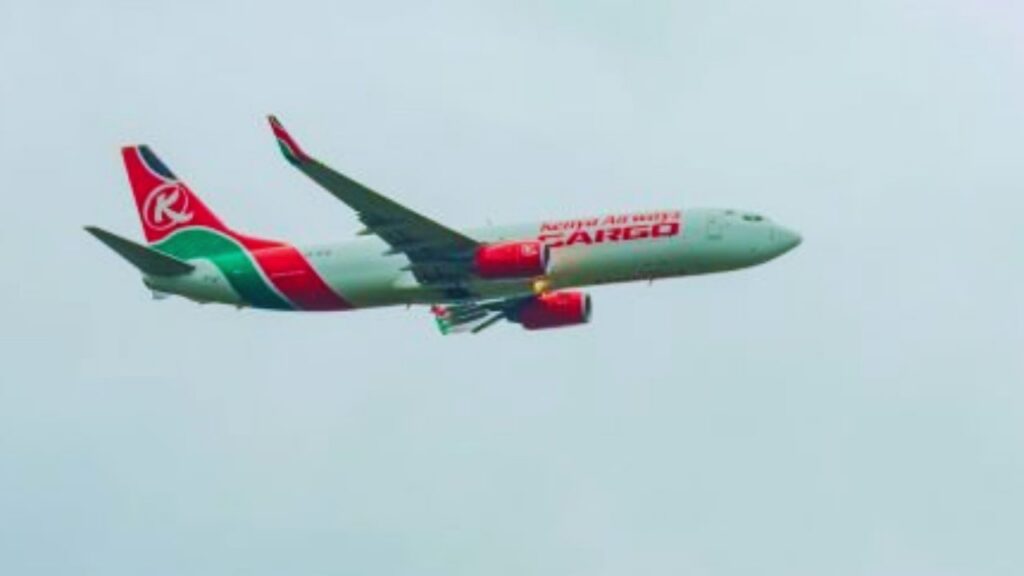
The Competition Authority of Kenya (CAK) has opened a public consultation on an application that could reshape how clearing and forwarding services are priced across the country.
The application has been submitted by the Kenya International Freight and Warehousing Association (KIFWA), which is seeking a special exemption from certain provisions of the Competition Act, Cap 504.
At the heart of the proposal is a plan to introduce Standard Price Guidelines that would establish minimum indicative pricing benchmarks for clearing and forwarding services.
The proposed guidelines would cover three major areas of freight transportation — seafreight, airfreight and land or border freight — with a wide range of services falling under each category.
CAK said the application was made under Section 25 of the Competition Act, which provides a mechanism through which certain conduct that would otherwise fall foul of competition rules can be exempted.
The regulator specifically cited Sections 21(3)(a) and 22(1)(b)(i), provisions dealing with restrictive trade practices, including agreements or coordinated conduct that directly or indirectly fixes purchase or selling prices or other trading conditions.
“Pursuant to the provisions of section 25 of the Competition Act, (‘the Act’), the Competition Authority of Kenya notifies the public that Kenya International Freight and Warehousing Association (KIFWA) has made an application for exemption from the provisions of 21 (3) (a) and section 22 (1) (b) (i) of the Act,” CAK said in its public notice.
Proposed minimum charges across freight sector
If granted, the exemption would allow KIFWA to implement the proposed Standard Price Guidelines for a period of five years.
The guidelines would establish minimum indicative charges covering numerous services provided by clearing and forwarding agents to importers, exporters and other businesses involved in international trade.

For seafreight, the proposed framework includes services such as import and export clearance, container consolidation, warehousing, marine insurance processing and the handling and return of empty containers.
The airfreight category includes cargo documentation, express handling, dangerous-goods processing, transhipment, customs bonds and freight booking, among other services.
For land and border freight, the proposal covers inward and outward border clearance, transit cargo processing, cross-border freight management, bonded cargo handling and bulk cargo clearance.
The potential impact could extend well beyond KIFWA’s membership.
CAK stated that the proposed guidelines would apply to all licensed clearing and forwarding agents operating in Kenya, regardless of whether they belong to the association.
“Specifically, the proposed Guidelines will set out minimum indicative pricing benchmarks for clearing and forwarding agency services. The proposed Guidelines will be applicable to all licensed clearing and forwarding agents in Kenya, irrespective of their membership status in the Association,” the Authority said.
Why the exemption matters
The application is significant because coordinated pricing arrangements can raise competition concerns when businesses collectively agree on prices or trading conditions.

CAK’s consideration of the application therefore places the proposed pricing framework under scrutiny before it can take effect.
The regulator has now invited members of the public, businesses and other interested parties to submit their views as part of a 30-day public participation process.
The consultation gives stakeholders an opportunity to raise concerns, support the proposal or provide recommendations before CAK reaches a final decision.
Interested parties can submit their views to info@cak.go.ke or through the Competition Authority of Kenya’s online portal.
For importers and exporters already grappling with the cost of moving goods through Kenya’s ports and borders, the outcome could prove particularly important.
However, the proposed minimum pricing guidelines have not yet been approved. Any impact on the final cost paid by consumers or businesses will depend on the Authority’s eventual decision and the terms of any exemption granted.
Also Read: Court Orders Kenyan Employer to Pay KSh1 Million After Women Forced to Expose Underwear