






Former Okoth Obado and his co-accused have been cleared in a high-profile Ksh73.5 million corruption case after the recovery of assets worth more than Ksh235 million, in a move that has reignited debate over how Kenya handles major graft prosecutions.
A Nairobi anti-corruption court on Friday, May 15, allowed the Office of the Director of Public Prosecutions (ODPP) to withdraw the case against Obado, his four children and several associates, bringing to an end a long-running legal battle tied to alleged embezzlement of public funds during his tenure as governor of Migori County.
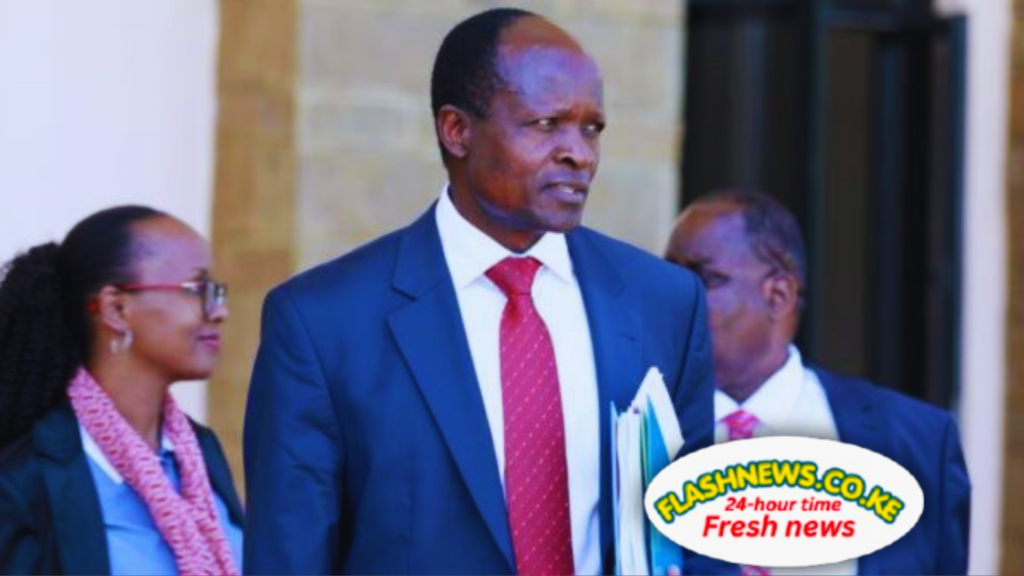
Delivering the ruling, Senior Principal Magistrate Celesa Okore held that the Director of Public Prosecutions had acted within the law and had not abused prosecutorial powers by pursuing an out-of-court settlement through an Alternative Dispute Resolution (ADR) framework.
The court further ordered the release of passports belonging to the accused persons and directed that all cash bail deposited during the trial be refunded.
The criminal proceedings stemmed from allegations that Obado and 17 others had fraudulently siphoned approximately Ksh73.4 million from the Migori County government through suspected fictitious procurement deals.
However, the prosecution told the court that the matter had effectively been resolved after Obado entered into a 2025 settlement agreement with the ODPP and forfeited assets valued at approximately Ksh235.6 million to the state — an amount more than three times the funds allegedly lost in the criminal case.
Under the agreement, the former governor surrendered eight parcels of land alongside two Toyota Land Cruiser vehicles as part of the recovery process.
Magistrate Okore noted that the objectives of the prosecution had already been achieved through the asset recovery proceedings handled under High Court Asset Recovery Cases No. 32 of 2018 and No. 10 of 2022.
“The court has had difficulties finding that there was any abuse of power by the DPP,” Magistrate Okore ruled.
She added: “If an act is passed in compatibility with the Constitution and the laws thereunder, it cannot be deemed to have offended public interest.”
The ruling exposed deep divisions between the ODPP and the Ethics and Anti-Corruption Commission (EACC), which had strongly opposed the withdrawal of the criminal case.
The anti-graft agency argued that civil asset recovery and criminal prosecution are separate legal processes and should proceed independently regardless of any settlement agreement.
But the court dismissed the EACC’s objections, ruling that a legally recognised plea bargain mechanism could not automatically be considered unconstitutional or contrary to public interest simply because it attracted criticism from the public.

The case had initially formed part of broader investigations in which the EACC sought to recover more than Ksh1.9 billion allegedly lost through questionable procurement transactions involving Migori County officials and associates linked to Obado.
The withdrawal now closes one of Kenya’s most closely watched county corruption cases — but it is likely to fuel fresh political and public debate over whether asset recovery deals are becoming a substitute for full criminal accountability in major graft scandals.
Also Read: Government Intensifies Child Protection Measures After Surge in Abuse Cases