

Cut VAT, Scrap Ksh7 Levy to Bring Fuel Prices Down” — Ndindi Nyoro Pressures Ruto Government Amid Public Outcry





Ndindi Nyoro has called for urgent legal amendments to slash fuel prices, proposing the removal of Value Added Tax (VAT) on petroleum products and the abolition of the controversial Ksh7 Road Development Levy (RDL) introduced in 2024.
The Kiharu Member of Parliament announced on Friday, May 15, that he had formally written to the National Assembly seeking immediate changes to laws governing fuel taxation, arguing that the current prices are unsustainable for ordinary Kenyans already struggling with the rising cost of living.

His remarks came barely 24 hours after the Energy and Petroleum Regulatory Authority (EPRA) announced a sharp increase in pump prices, triggering nationwide concern among motorists, transport operators, and businesses.
Under the latest EPRA review, the price of super petrol rose by Ksh16.65 per litre, while diesel increased by a staggering Ksh46.29 per litre. The new prices pushed petrol to Ksh214.25 per litre and diesel to Ksh242.92 in Nairobi for the next 30-day pricing cycle. Kerosene prices remained unchanged.
Addressing journalists in Nairobi, Nyoro said the government has room to reduce prices significantly without destabilising the economy if unnecessary levies are removed.
“I have written to the National Assembly on the intention of amending the Road Maintenance Levy Fund by abolishing the Ksh7 that was added in the year 2024,” Nyoro stated.
The lawmaker further argued that reducing taxes imposed on fuel would ease pressure on households and businesses, warning that persistently high pump prices could trigger further inflation across the economy.
Fuel prices remain a politically sensitive issue in Kenya because they directly affect transportation costs, food prices, electricity generation, and the overall cost of doing business. The latest increases have sparked criticism from opposition leaders and sections of the public who accuse President William Ruto’s administration of overburdening citizens with heavy taxation.
Nyoro’s proposals are expected to reignite debate within Parliament over the Finance Act and the government’s broader taxation strategy, especially as Kenya continues to grapple with high public debt, pressure from international lenders, and growing public dissatisfaction over the cost of living.
If Parliament adopts the proposed amendments, Nyoro claims fuel prices could drop to approximately Ksh187 per litre, offering relief to millions of Kenyans affected by soaring transport and commodity costs.
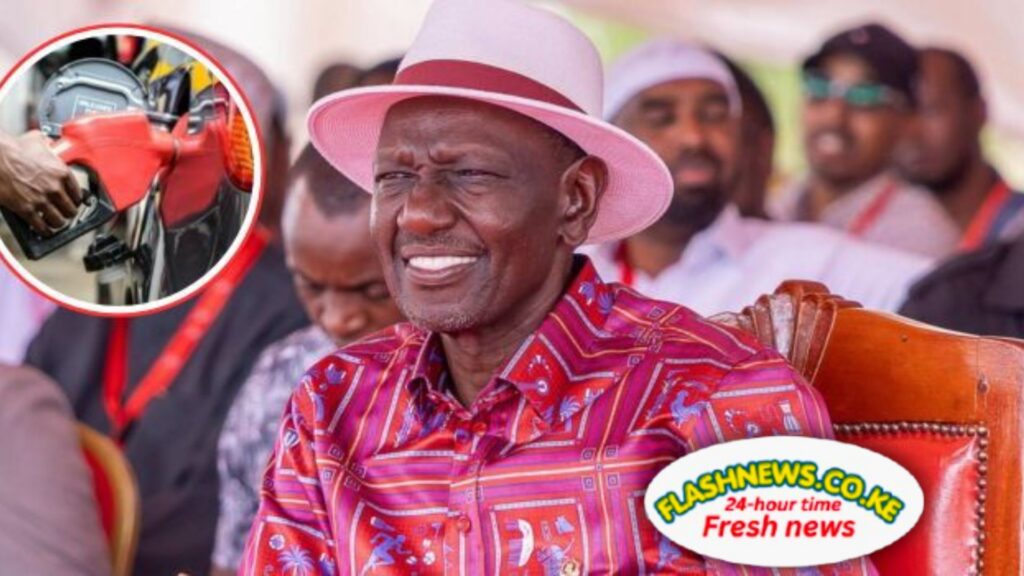
A fresh political storm is brewing over Kenya’s soaring fuel prices after Kiharu MP Ndindi Nyoro claimed pump prices could fall below Ksh190 per litre if the government urgently scraps key fuel levies, cuts taxes and deploys billions from the Fuel Stabilisation Fund.
Speaking amid growing public anger over the rising cost of living, Nyoro argued that ordinary Kenyans are being “overburdened” by taxes and government policies that continue to push fuel prices higher despite mounting economic pressure.
“This will give respite to Kenyans. If this is passed, the current prices for petrol and diesel should then come down to below Ksh190 for a litre of either,” Nyoro said.
The MP outlined a three-point intervention plan he believes could dramatically lower fuel prices within weeks, including reducing VAT on petroleum products, abolishing the controversial Road Maintenance Levy and introducing subsidies through the Fuel Stabilisation Fund.
According to Nyoro, reducing Value Added Tax on fuel by an additional five per cent would immediately cut prices by approximately Ksh8 per litre.
Kenya had initially imposed a 16 per cent VAT on fuel before Treasury Cabinet Secretary John Mbadi temporarily reduced it to eight per cent for 90 days following economic shocks linked to the Middle East conflict and volatility in global oil markets.
Nyoro also called for the removal of the Ksh7 Road Maintenance Levy introduced in 2024, describing it as an unnecessary burden on motorists, transporters and businesses already struggling with inflation and high operating costs.
“The other thing is subsidies. Diesel, as you have seen in the latest pricing formula, had a higher landing cost. We must also provide Ksh5 billion from the Fuel Stabilisation Fund so that we can reduce diesel by around Ksh12 per litre,” Nyoro stated.
Based on his calculations, the MP argued that the combined effect of VAT reductions, levy removals and subsidies would lower fuel prices by nearly Ksh27 per litre.
If implemented, Super Petrol prices could reportedly drop from the current Ksh214.25 to around Ksh187.25 per litre, while Diesel could fall from Ksh242.92 to approximately Ksh215.92.
Nyoro maintained that such measures would not only ease pressure on households but also help stabilise the economy by reducing transport costs, slowing inflation and cushioning consumers from future fuel price shocks.
However, the lawmaker’s remarks took a dramatic turn after he accused politically connected individuals of profiting from Kenya’s fuel importation system through the controversial government-to-government (G-to-G) fuel deal.
“The G-to-G arrangement is a kiosk for senior government officials. The same people you see doing this or that to the fuel situation are the same owners of the G-to-G. Seventy-five per cent of the importation of fuel benefits our leaders directly,” Nyoro alleged.
The explosive claims are likely to intensify scrutiny on the government’s fuel procurement structure, which has repeatedly faced criticism from opposition leaders and consumer rights groups over transparency concerns.
Nyoro demanded the immediate abolition of the G-to-G fuel importation arrangement, urging leaders allegedly benefiting from the system to “tame their greed” and prioritise the interests of struggling Kenyans.
His remarks come at a time when fuel prices remain one of the biggest drivers of inflation, with rising transport and energy costs continuing to affect food prices, manufacturing and household spending across the country.
Also Read: Nairobi Commuters Face Transport Crisis as PSV Strike Begins Monday