

Dangote-Backed Lamu Oil Refinery Set to Begin Construction by October 2026





Africa’s richest man, Aliko Dangote, has announced that construction of the proposed Lamu oil refinery is expected to begin by October 2026, signalling a major step forward for Kenya’s ambitious plans to strengthen its energy security and establish itself as a regional petroleum hub.
Dangote said preparations for the multibillion-shilling project had advanced significantly, with the ground-breaking ceremony expected to take place no later than October.
“By October this year, we will be groundbreaking. Once we break the ground, we will begin the construction,” Dangote told the BBC.
The proposed refinery is expected to have a processing capacity of 700,000 barrels of crude oil per day, potentially making it one of the largest oil-processing facilities planned in Africa.
The project is intended to serve not only Kenya but also a wider East African market, with Dangote indicating that its reach could extend to other countries on the continent.
“The refinery will not only be for Kenya but East Africa as a whole, so it can serve a lot of countries, including Egypt,” he said.
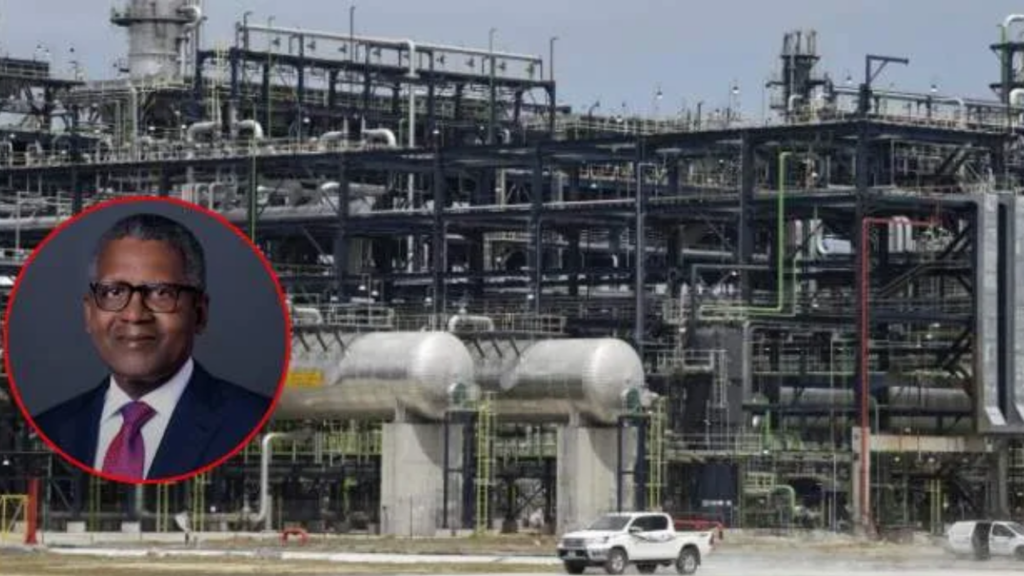
Dangote cuts projected refinery cost
Dangote also revealed that the estimated cost of the Lamu refinery has been revised downwards.
The project was initially estimated to cost approximately $17 billion, equivalent to about Ksh2.2 trillion based on the earlier estimates. Dangote said the figure had now been reduced to about $16 billion, or roughly Ksh2 trillion.
“We first thought it was going to cost $17 billion, but it will cost less than that, about $16 billion,” he said.
According to Dangote, the lower projected cost is partly attributable to experience gained from constructing the Dangote refinery in Nigeria.
He said the lessons learned from the Nigerian project would allow the Kenyan facility to be developed more efficiently and within a shorter timeframe, reducing the financing costs associated with the project.
“It will cost less because this one will be faster, so in terms of financing cost it will be less, and then we are wiser as a company than when we built the one in Nigeria,” Dangote said.

70 per cent of financing expected from debt
The refinery is expected to be financed through a combination of equity and debt.
Dangote has indicated that his company plans to contribute 30 per cent of the project’s financing through equity, while approximately 70 per cent would be raised through debt financing.
The financing structure will be closely watched given the enormous scale of the proposed development and its potential impact on Kenya’s energy and infrastructure sectors.
If completed as planned, the refinery could significantly increase the availability of locally processed petroleum products and reduce the region’s reliance on imported refined fuel.
Major investment for Kenya
The proposed Lamu refinery is also expected to generate thousands of jobs during construction and after completion, particularly across engineering, construction, logistics, manufacturing and other energy-related industries.
Its development could further increase economic activity around the Lamu area while positioning Kenya as an important petroleum-processing and distribution centre for the wider region.
The project comes as Kenya continues to pursue investments aimed at improving energy security and reducing exposure to fluctuations in international petroleum markets.
Dangote’s announcement therefore represents a potentially significant development for Kenya’s energy ambitions, although the project’s final financing, construction timeline and implementation will remain key milestones to watch.
If construction begins in October 2026 as projected, Dangote has indicated that the refinery could take less than four years to complete, potentially placing the facility on course to become operational before the end of the decade.
Also Read: Khalwale Urges Muturi, Munya and Onyonka to End Public Clashes With Gachagua