






EAC Calls Emergency Meeting as Ebola Death Toll Rises and Regional Fears Grow
Health ministers from the eight member states of the East African Community (EAC) are set to convene an urgent high-level meeting on Monday, June 1, and Tuesday, June 2, as concerns mount over the spread of Ebola across the region.
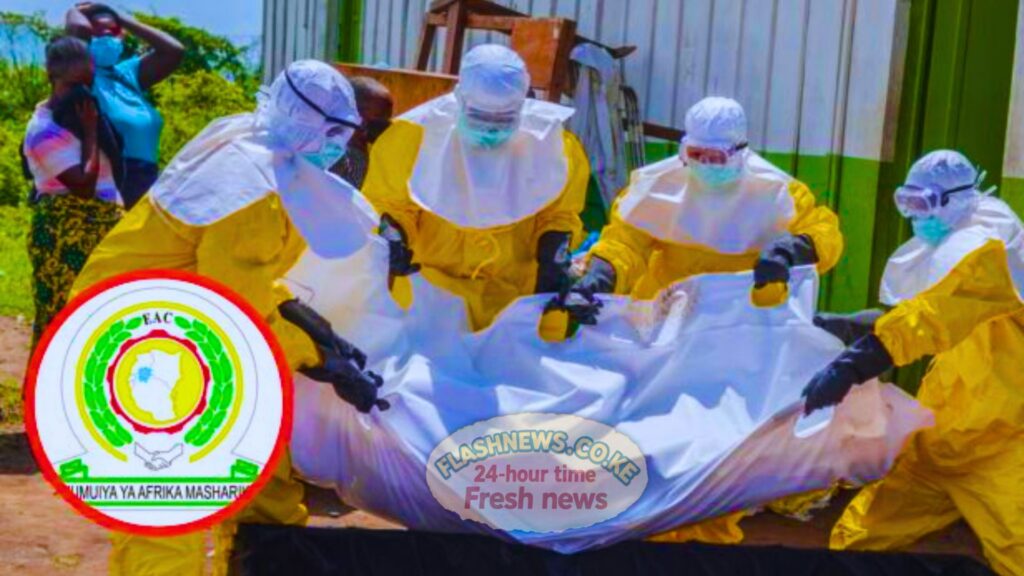
The extraordinary virtual session comes amid a worsening outbreak that has affected several countries in East Africa, with authorities warning that coordinated action is needed to prevent further transmission across borders.
In a statement released by the regional bloc, the EAC confirmed that ministers responsible for health will meet to deliberate on the ongoing outbreak, which has already claimed more than 130 lives and infected over 1,000 people, according to regional reports.
“The EAC is set to convene an Extra-Ordinary Virtual Meeting of the Sectoral Council of Ministers responsible for Health on 1st–2nd June 2026, to deliberate on the ongoing Ebola outbreak affecting the region,” the statement read.
The outbreak has been reported in the Democratic Republic of Congo, Uganda and South Sudan, prompting fears that increased cross-border movement could accelerate the spread of the deadly virus to neighbouring countries.
According to the EAC Secretariat, the emergency discussions will focus on strengthening regional surveillance systems, enhancing rapid response mechanisms, improving information sharing, and harmonising health protocols among member states.
Officials say the meeting forms part of a broader effort to reinforce preparedness and containment measures across the region.
“The convening of this high-level meeting is part of a series of urgent actions the EAC Secretariat has initiated, having already intensified regional coordination and preparedness measures following the Ebola outbreak caused by the Bundibugyo virus,” the Secretariat stated.
Regional health experts are expected to review current response efforts and assess gaps that could hinder containment measures as authorities race to prevent additional infections.
The urgency of the meeting underscores growing concern over the possibility of further cross-border transmission, particularly as East African nations maintain close trade, travel and social ties.
Kenya remains on high alert despite not reporting any confirmed cases linked to the current outbreak. Health authorities have intensified surveillance at key border points and airports as a precautionary measure.
The regional discussions come against the backdrop of growing public debate in Kenya over plans to establish an Ebola quarantine and treatment facility intended to host individuals exposed to the virus, including American citizens.

The proposed project has sparked protests and criticism from sections of the public, who argue that the facility could increase the country’s exposure to the disease and place local communities at risk.
Concerns have also been raised about whether adequate safeguards would be put in place to prevent accidental transmission.
The controversy intensified after the High Court temporarily halted plans for the construction of the facility following legal challenges. However, the government has signalled its intention to proceed with the project, citing the importance of strengthening regional disease preparedness and response capacity.
The project has received significant backing from the United States government, which has committed approximately KSh1.7 billion towards its development.
As health ministers meet to chart a coordinated response, regional leaders face mounting pressure to contain the outbreak while reassuring citizens that sufficient measures are in place to safeguard public health.
Also Read: Nanyuki Residents Protest Proposed Ebola Quarantine Facility