

Government Moves to Rewrite Protest Rules as Debate Over Demonstrations Intensifies





The government has launched a comprehensive review of the legal and policy framework governing public demonstrations and protests, a move that could significantly reshape how protests are organised and policed across Kenya.
The announcement was made on Thursday, June 11, by the Head of Public Service and Chief of Staff, Felix Koskei, following a high-level consultative meeting involving the Ministry of Interior and other government stakeholders.
According to Koskei, the review seeks to strengthen the implementation of Article 37 of the Constitution, which guarantees every Kenyan the right to assemble, demonstrate, picket, and present petitions to public authorities peacefully and unarmed.
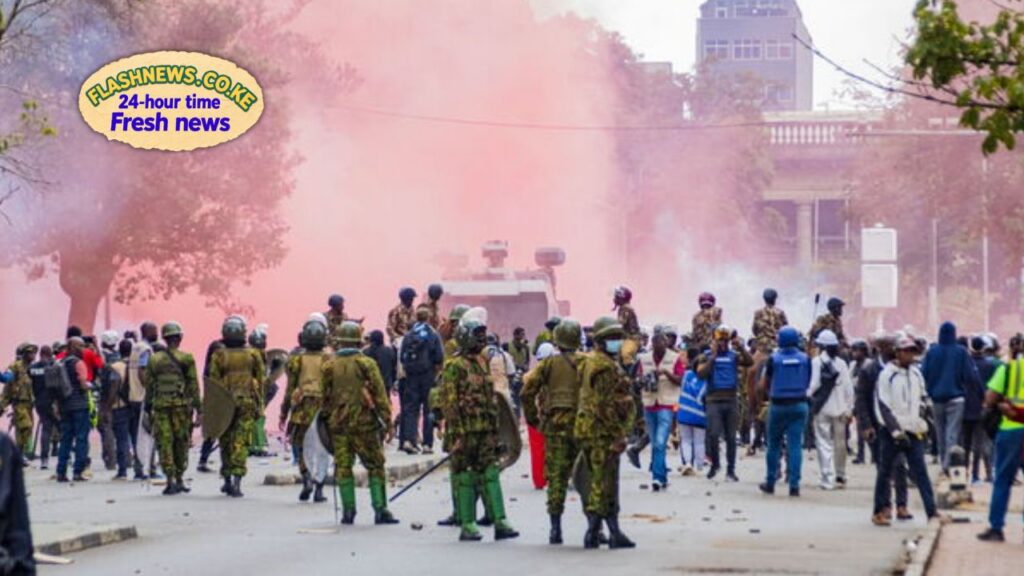
The initiative comes amid heightened national debate over the management of public protests, following a series of demonstrations that have often ended in confrontations between protesters and security agencies.
In a statement issued after the meeting, Koskei revealed that the government had already established a multi-agency technical working group tasked with developing a revised framework informed by public submissions, legal opinions, and recent court decisions.
“We reviewed the policy architecture necessary to give effect to Article 37, constituted a multi-agency technical working group, and directed the team to prepare a revised draft informed by public memoranda and recent judicial pronouncements,” Koskei said.
The Chief of Staff maintained that the proposed reforms are intended to strike a balance between protecting constitutional freedoms and preserving public order, safety, and property.
Under the planned framework, authorities hope to provide clearer guidance on the rights and responsibilities of both demonstrators and law enforcement officers. The reforms are also expected to introduce stronger accountability mechanisms while addressing concerns that criminal groups sometimes exploit protests to engage in violence, looting, and destruction.
“The framework seeks to protect peaceful demonstrators and members of the public, establish clear standards for police conduct during protests, strengthen accountability mechanisms, and isolate criminal elements who may seek to exploit demonstrations,” Koskei added.
Rising Tensions Over Protest Management
The review comes at a time when Kenya continues to grapple with growing scrutiny over the handling of demonstrations.
In recent years, human rights organisations, civil society groups, and opposition figures have repeatedly accused police of using excessive force against protesters. Several demonstrations have resulted in injuries, fatalities, and allegations of brutality, prompting calls for greater accountability among security agencies.
At the same time, authorities have accused some protesters of engaging in acts of vandalism, attacking police officers, and destroying public and private property during demonstrations.
The competing concerns have fuelled calls for a clearer legal framework that defines the obligations of all parties involved in public assemblies.
Koskei stressed that constitutional freedoms must be exercised responsibly and that both citizens and the State have obligations under the law.
According to him, demonstrators are expected to conduct themselves peacefully and lawfully, while security agencies must uphold professionalism, restraint, and accountability when managing crowds.
What Could Change?
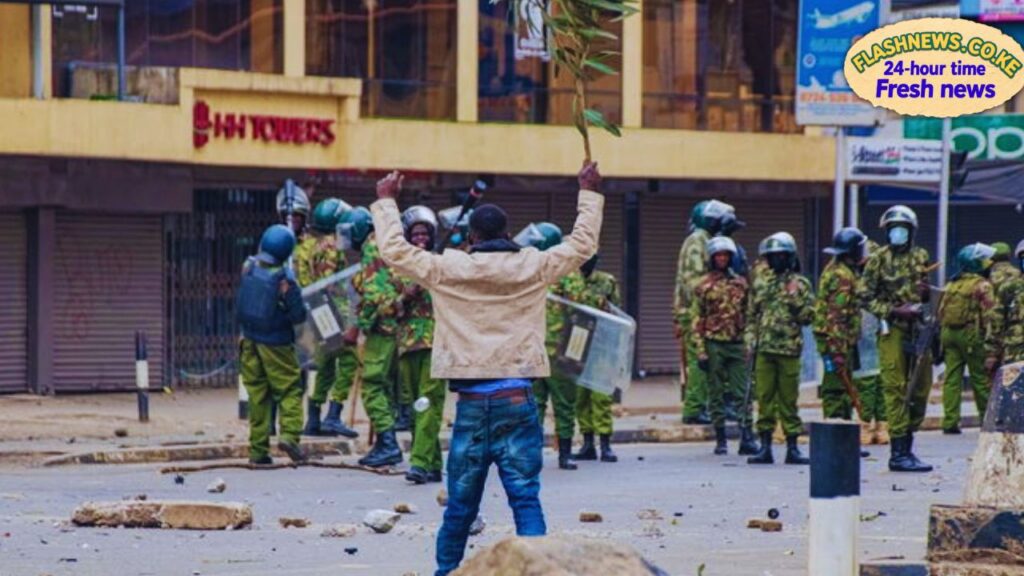
If adopted, the proposed framework could introduce more clearly defined procedures governing public demonstrations.
Among the issues under consideration are notification requirements before protests, designated assembly points and routes, and improved coordination between organisers and law enforcement agencies.
The review may also establish more detailed rules governing police conduct, including the use of force, procedures for dispersing crowds, and requirements for officers deployed during demonstrations to be clearly identifiable.
While the government insists the reforms are designed to safeguard constitutional rights, the proposals are likely to attract close scrutiny from civil society groups and legal experts who may view any changes as a potential test of the balance between public order and fundamental freedoms.
The outcome of the review could ultimately shape how future protests are organised, managed, and protected in Kenya, particularly at a time when public demonstrations continue to play a central role in the country’s political and civic discourse.