

Judiciary Defies LSK Boycott Threat as Supreme Court Among Courts Set to Stay Open Despite Protest





The Judiciary has vowed that all courts across Kenya will remain fully operational on Wednesday, July 22, dismissing concerns that a planned nationwide boycott by lawyers could disrupt the administration of justice.
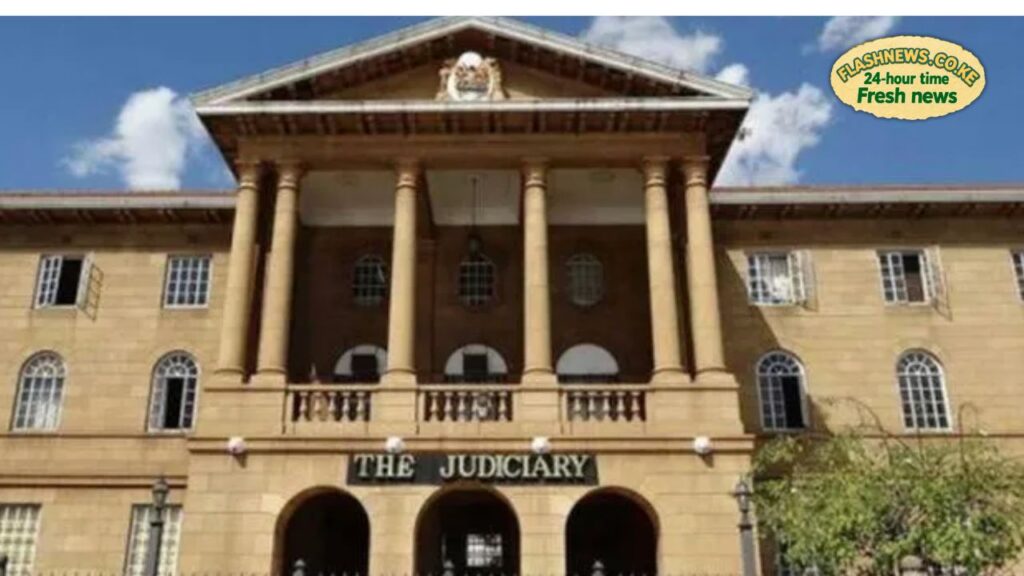
The assurance comes after the Law Society of Kenya (LSK) announced that advocates would refuse to appear before judges who have secured court orders preventing the Judicial Service Commission (JSC) or the Ethics and Anti-Corruption Commission (EACC) from investigating allegations of misconduct and corruption.
The boycott, which begins on Wednesday, is expected to affect proceedings in several courts, including the Supreme Court, with the LSK warning that it could escalate into an indefinite withdrawal of legal representation before the affected judges.
However, the Judiciary insisted that court services will continue uninterrupted, urging litigants, lawyers and members of the public to attend scheduled hearings as normal.
“The Judiciary does not consider a boycott of court proceedings to be an appropriate or proportionate response to the concerns raised. Such action would primarily prejudice litigants and other court users whose matters are scheduled for hearing and determination,” the Judiciary said in a statement.
The standoff marks one of the most significant public confrontations between Kenya’s Judiciary and the country’s legal profession in recent years, with the dispute centring on judicial accountability, integrity and public confidence in the courts.
LSK Lists Grievances
In announcing the boycott, the Law Society said it had exhausted efforts to resolve its concerns through engagement with the Judiciary.
The lawyers’ body argued that complaints filed before the Judicial Service Commission have not been handled promptly, transparently or fairly, undermining confidence in the justice system.

According to the LSK, advocates are also frustrated by persistent delays in delivering judgments and rulings, growing case backlogs, inefficiencies in court registries, recurring disruptions to the Judiciary’s e-filing system, delays in releasing funds held by courts, and what it described as discourteous treatment of advocates by some judicial officers.
The society maintained that its action is intended to push for greater accountability within the Judiciary, particularly where judges facing complaints have obtained court orders shielding themselves from investigations.
Judiciary Urges Dialogue
Despite the looming boycott, the Judiciary said it remains committed to resolving the dispute through consultation rather than disruption of court services.
The institution revealed that it has held at least five consultative meetings with the Law Society over the past two years and confirmed that another meeting is already scheduled for July 31.
It urged the LSK to continue pursuing its concerns through dialogue instead of withdrawing legal services, warning that the biggest victims of the boycott would be ordinary Kenyans seeking justice.
The Judiciary further reminded the public that Article 160 of the Constitution guarantees judicial independence and bars any person or institution from directing judges on how to decide cases.
On allegations of misconduct, it stressed that complaints against judges and judicial officers should be submitted to the Judicial Service Commission or the Office of the Judiciary Ombudsman, where they can be investigated and handled in accordance with the law.

With the legal standoff now set to play out in courtrooms across the country, attention will be on whether the boycott gains widespread support among advocates or whether court proceedings continue largely unaffected.
Also Read: Government Fires Back at Gachagua Over Calls for Tourists and Investors to Avoid Kenya