

WHO Raises Ebola Alarm as Kenya Activates Emergency Response Over Fears of Cross-Border Spread





Kenya has activated emergency preparedness measures after the World Health Organization (WHO) warned that the escalating Ebola outbreak in the Democratic Republic of Congo (DRC) and neighboring Uganda poses a serious regional threat.
In a statement released on Sunday, May 17, the WHO said the outbreak linked to the rare Bundibugyo strain of the Ebola virus had already claimed at least 80 lives, with 246 suspected infections reported in the DRC’s Ituri province as of Saturday.
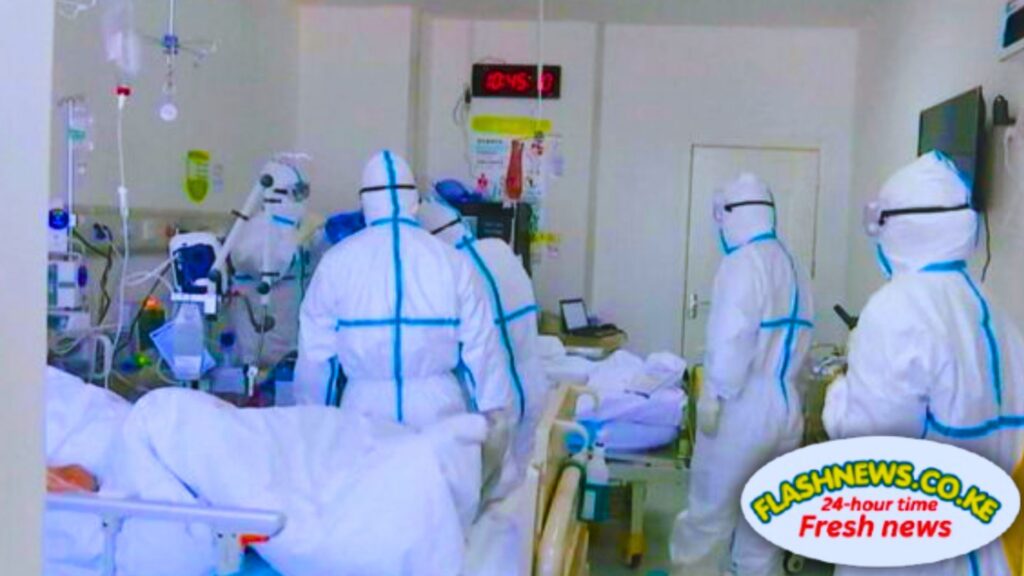
The international health agency warned that countries bordering the DRC — including Kenya through major regional transport and travel networks — face an elevated risk of transmission as authorities struggle to contain the spread.
More alarmingly, Uganda has already confirmed Ebola infections linked to cross-border movement from the DRC, including two confirmed cases and one death reported in Kampala.
Health officials believe the deceased patient had recently travelled to eastern Congo before developing symptoms associated with the deadly virus.
While WHO stopped short of declaring the outbreak a global pandemic emergency, the agency admitted the situation was becoming increasingly concerning due to signs the disease may already be spreading undetected.
“The rising number of suspected cases and the high positivity rate from preliminary testing suggest wider transmission may be occurring beneath the surface,” the agency warned.
The outbreak involves the Bundibugyo strain — one of the rarer and more dangerous forms of Ebola for which there is currently no approved vaccine or specific treatment.
Medical experts in the DRC have cautioned that the strain can have a fatality rate of up to 50 percent, particularly in areas with weak healthcare systems and delayed diagnosis.
International humanitarian agency Médecins Sans Frontières (MSF), also known as Doctors Without Borders, described the outbreak as “extremely concerning” and confirmed it was preparing a large-scale emergency intervention in affected regions.
The WHO has now urged governments across East and Central Africa to intensify disease surveillance, strengthen emergency response systems, and enhance screening at border points and airports.
However, the agency cautioned against outright border closures, warning such actions could fuel undocumented movement and make it harder to trace infections.
Kenya Activates Emergency Response
Following the WHO alert, Kenya’s Ministry of Health moved swiftly to reassure the public, announcing the activation of enhanced national preparedness measures aimed at preventing any possible spillover into the country.
The ministry confirmed that a National Ebola Preparedness Team has already been established, while the National Public Health Emergency Operations Centre (PHEOC) has been placed on high alert to coordinate surveillance and rapid response efforts.
Authorities have also intensified screening at airports, border crossings, and ports of entry, especially for travellers arriving from high-risk regions.
In addition, the government said laboratory systems across the country had been strengthened to improve the rapid detection of viral haemorrhagic fevers, including Ebola.
“The Ministry of Health is working closely with WHO, Africa CDC, and regional partners to ensure Kenya remains prepared and protected,” officials said.
The latest scare is likely to revive memories of previous Ebola outbreaks that triggered panic across Africa due to the virus’s high fatality rate and rapid spread through human contact.
Public health experts have warned that East Africa’s highly interconnected transport networks could complicate containment efforts if the outbreak worsens in the coming days.
Also Read: Nairobi Traders Warn of Rising Food Prices After Fuel Costs Surge