

Matiang’i Takes Aim at Ruto’s Vision 2030 Plan: ‘Misplaced Priority’





Former Interior Cabinet Secretary Fred Matiang’i has hit out at President William Ruto’s proposal for a national conversation on Kenya’s development beyond Vision 2030, accusing the government of focusing on the wrong issues while the country grapples with what he described as deeper constitutional and governance problems.
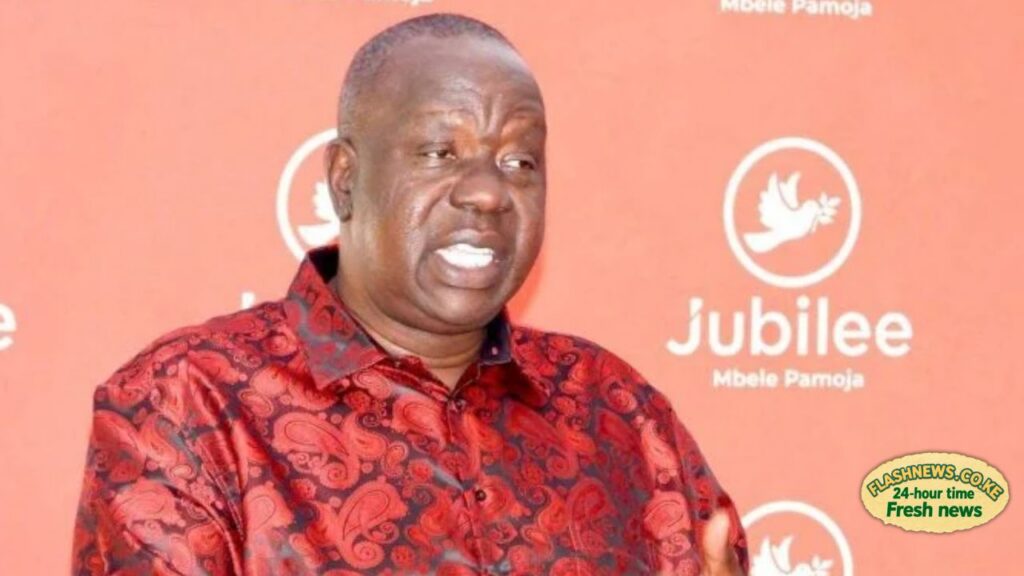
Matiang’i, who is also Jubilee Deputy Party Leader, made the remarks on Friday, July 31, 2026, a day after President Ruto called for a nationwide conversation to shape Kenya’s development agenda beyond Vision 2030.
Ruto’s initiative is intended to help Kenya develop a successor to Vision 2030, the long-term development blueprint that has guided national planning since its launch in 2008. The President has argued that Kenyans should begin deciding collectively what the country’s next phase of economic and social transformation should look like.
But Matiang’i has rejected the timing of the proposal, arguing that Kenya must first address what he considers more immediate governance challenges.
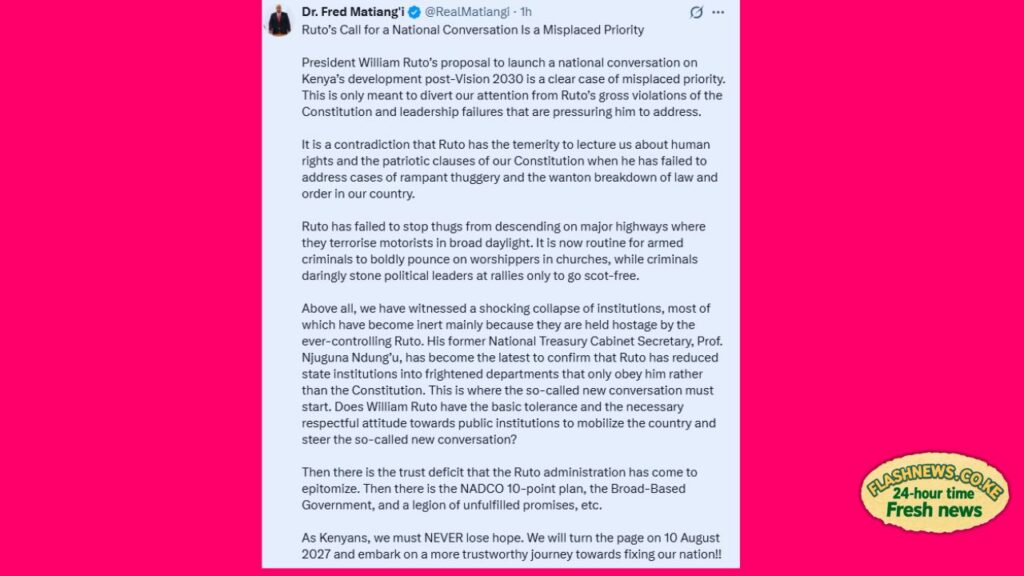
Writing on X, the former Cabinet Secretary accused Ruto of attempting to divert public attention from what he described as constitutional violations and leadership failures.
“President William Ruto’s proposal to launch a national conversation on Kenya’s development post-Vision 2030 is a clear case of misplaced priority.”
Matiang’i further claimed that the proposed conversation was intended to shift attention away from problems he said were already putting pressure on the administration.
“This is only meant to divert our attention from Ruto’s gross violations of the Constitution and leadership failures that are pressuring him to address,” he said.
Matiang’i raises security concerns
The former Interior CS also questioned the government’s record on security and the rule of law.
He argued that President Ruto could not credibly champion constitutional values and human rights while, in his view, Kenyans continued to face insecurity and criminal activity.
“It is a contradiction that Ruto has the temerity to lecture us about human rights and the patriotic clauses of our Constitution when he has failed to address cases of rampant thuggery and the wanton breakdown of law and order in our country,” Matiang’i said.
He pointed to incidents involving motorists, worshippers and political leaders as examples of what he described as a deteriorating security environment.
Matiang’i’s remarks amount to a direct challenge to the government’s argument that Kenya needs a fresh national consensus on its long-term development priorities.
‘Institutions must come first’
The former Interior CS also turned his criticism towards Kenya’s public institutions, arguing that some state agencies had lost the independence required to effectively serve the public.
He questioned whether the government had demonstrated sufficient respect for independent institutions to lead a genuine national conversation.
“This is where the so-called new conversation must start. Does William Ruto have the basic tolerance and the necessary respectful attitude towards public institutions to mobilise the country and steer the so-called new conversation?” Matiang’i posed.
His argument places constitutional governance and institutional independence at the centre of the debate over Kenya’s next development blueprint.
Matiang’i questions government’s credibility
The former CS also cited the National Dialogue Committee process, the subsequent formation of the Broad-Based Government and what he described as a series of unfulfilled government promises as evidence of a growing trust deficit between the administration and sections of the public.
Matiang’i’s criticism comes as the government seeks to build support for a long-term development framework that would succeed Vision 2030.
The debate has already attracted support from government officials, with senior officials arguing that Kenyans need an opportunity to determine the country’s priorities beyond 2030.
For Matiang’i, however, the immediate priority should be rebuilding public confidence in government and strengthening constitutional institutions.
Despite his criticism of the administration, the former CS urged Kenyans not to give up hope.
He predicted that the country could take a different political direction after the 2027 General Election.
“As Kenyans, we must never lose hope. We will turn the page on August 10, 2027, and embark on a more trustworthy journey towards fixing our nation,” he said.
Ruto’s post-Vision 2030 push
Matiang’i’s intervention comes as Ruto steps up efforts to shape the conversation around Kenya’s long-term future.
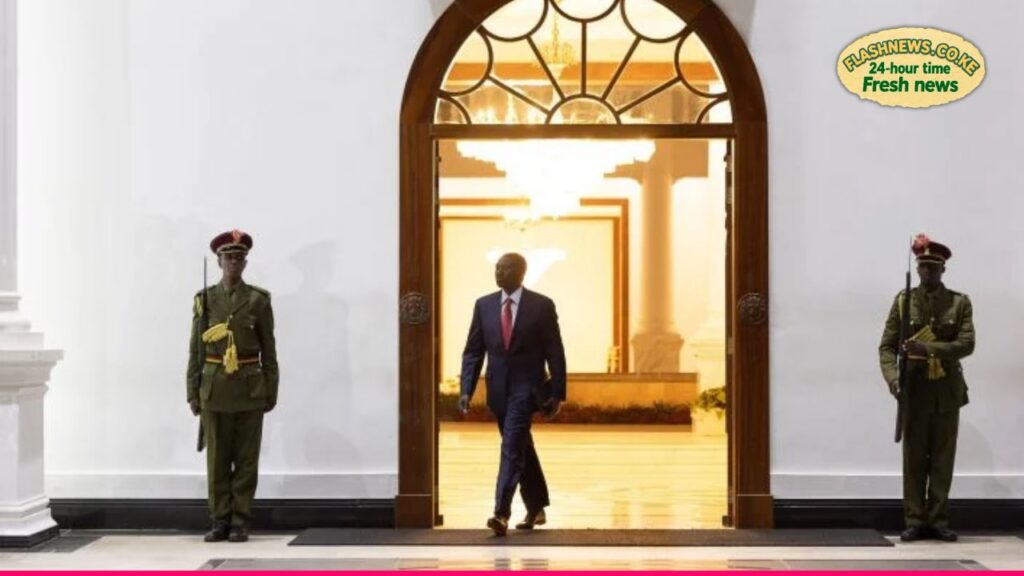
The President received proposals for a successor to Vision 2030 earlier in July, with the emerging framework aimed at guiding Kenya towards a more prosperous and globally competitive economy.
Ruto’s latest call therefore marks a significant attempt to move the national conversation beyond the 2030 deadline.
But Matiang’i’s criticism highlights the political battle likely to accompany the process: while the government presents the initiative as a chance to determine Kenya’s future, opponents are questioning whether the country should first resolve its present governance and accountability challenges.
With the 2027 election approaching, the dispute over what should come first — a new national development vision or reforms to governance and public institutions — is likely to become an increasingly important political fault line.
Also Read: MPs Warn New CBK Levy Could Push Up Banking Costs