

MPs Warn New CBK Bank Levy Could Drive Up Costs for Millions of Kenyans





Lawmakers have raised fresh concerns over a proposed Central Bank of Kenya (CBK) levy on commercial banks, warning that the new charging system could ultimately increase the cost of banking services for consumers.
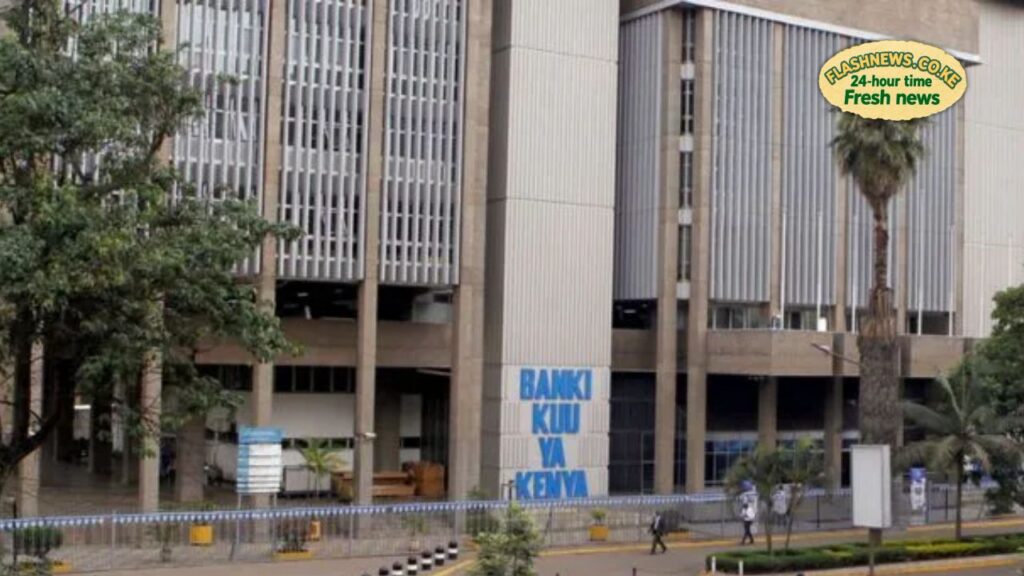
The proposed changes came under scrutiny on Thursday, July 30, when the National Assembly’s Committee on Delegated Legislation questioned CBK officials over the Banking Fees Regulations, 2026.
Under the proposed regulations, the existing annual fee paid by banks based largely on the number of branches would be replaced by a levy equivalent to 0.15 per cent of a bank’s gross annual revenue.
The CBK says the proposed framework is intended to modernise a charging system that has remained largely unchanged since 1994, despite significant changes in Kenya’s banking industry and the increasingly complex responsibilities faced by financial regulators.
However, MPs questioned whether the additional cost imposed on financial institutions could eventually be passed on to customers through higher fees, charges or lending costs.
Kathiani MP Robert Mbui sought clarification on what would constitute a bank’s “gross annual revenue”, including whether customer deposits would be included in the calculation.
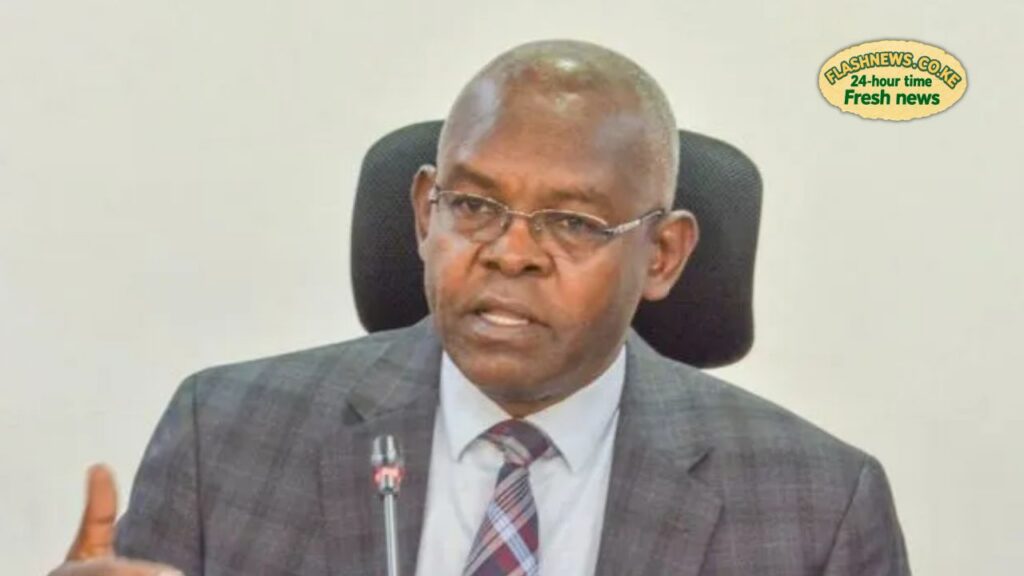
CBK Governor Kamau Thugge told the committee that customer deposits would not form part of the revenue used to calculate the levy because deposits are classified as liabilities on a bank’s balance sheet.
Instead, Thugge explained that the calculation would be based on audited interest income generated from activities including loans and investments.
The governor defended the proposed levy, arguing that the regulatory environment has changed substantially since the existing fee structure was introduced more than three decades ago.
He said additional revenue would help the CBK meet the growing cost of supervising the banking sector, particularly in areas such as cybersecurity, artificial intelligence and anti-money laundering controls.
But lawmakers remained concerned about the legal foundation of the proposed regulations.
Gichugu MP Robert Githinji questioned whether the Banking Act provides sufficient authority for the CBK to introduce the proposed charges, while other members of the committee challenged the terminology used in the regulations.
MPs questioned the use of the phrase “banking fees”, arguing that the term is not expressly provided for under the existing legislation.
The committee also raised concerns over provisions requiring newly licensed banks to pay fees calculated using projected revenues.
Legislators questioned how such estimates would be independently assessed and whether a sufficiently clear framework existed to prevent disputes between new financial institutions and the regulator.
Another major point of contention was a proposed 100 per cent penalty for banks that fail to pay the annual fee within the prescribed deadline.
Mbui warned that the provision could result in an excessive punishment, particularly where a bank had already been subjected to other regulatory consequences.
“You are being asked to pay double the amount and still face the risk of losing your licence. That amounts to double jeopardy,” Mbui said.
The timing of the payment deadline also attracted criticism, with MPs pointing out that it could fall during the holiday period when some institutions operate with reduced staffing levels.
The CBK, however, maintained that the proposed changes are necessary to ensure that the regulator has adequate resources to carry out its increasingly demanding supervisory responsibilities.
The debate comes at a sensitive time for Kenya’s banking sector, with consumers already facing concerns over borrowing costs, transaction charges and other fees associated with financial services.
For customers, the key question will be whether the new levy is absorbed by banks or eventually reflected in the prices they pay for banking products and services.
The committee is expected to continue examining the proposed regulations before making recommendations to Parliament.
It may also seek submissions from commercial banks, consumers and other stakeholders before finalising its report.
The outcome could determine whether the proposed levy proceeds in its current form or is amended following concerns raised by lawmakers.
Also Read: UN Warns Museveni Government Over Crackdown on Opposition and Civil Society