

UN Issues Stark Warning to Uganda as Museveni Government Faces Fresh Human Rights Backlash





United Nations human rights chief Volker Türk has condemned what he described as an intensifying crackdown on dissent in Uganda, warning that the country’s shrinking civic space is creating a climate of fear.
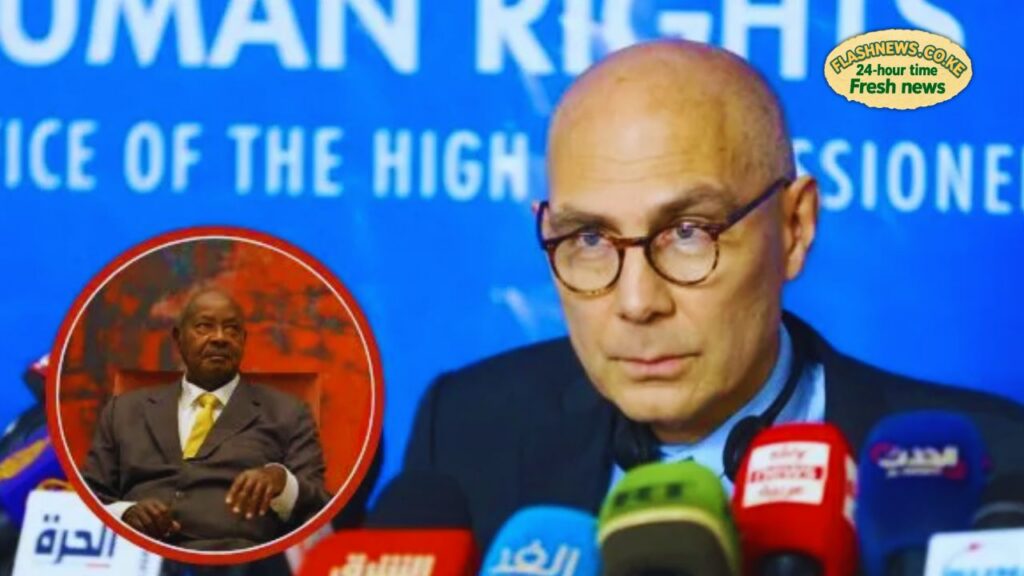
The United Nations has issued a stark warning to the Ugandan government over what it says is an escalating assault on civil society, opposition figures, journalists and fundamental freedoms.
UN High Commissioner for Human Rights Volker Türk on Thursday, July 30, condemned what he described as the erosion of the rule of law, increasing military involvement in civilian institutions and growing restrictions on civic space under President Yoweri Museveni’s government.
Türk said the latest developments had raised serious concerns about the protection of fundamental rights and freedoms in Uganda.
“I am appalled that the authorities are increasingly targeting any form of dissent and deepening restrictions on the fundamental freedoms of all those living in Uganda,” Türk said.
His intervention came against the backdrop of mounting concern over the treatment of opposition figures, including veteran Ugandan opposition leader Kizza Besigye.
Besigye’s wife, Winnie Byanyima, announced that the 70-year-old opposition politician had been admitted to an intensive care unit after collapsing during a court appearance in Kampala.
Byanyima, who also heads the United Nations AIDS programme UNAIDS, said her husband was in a critical condition.
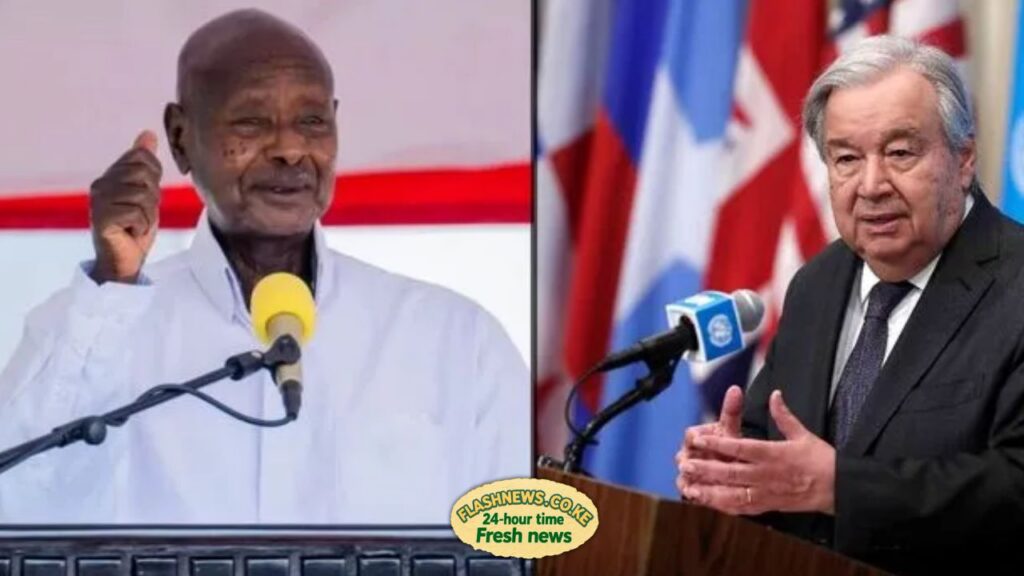
“He is unconscious, unable to speak, and unresponsive even to a pain stimulus,” she wrote on X.
Besigye reportedly collapsed while appearing before court, where he is facing treason charges, before being taken to hospital by ambulance.
The incident has added further international scrutiny to Uganda’s political and human rights environment as the government faces allegations of suppressing opposition activity.
According to Türk, the crackdown has intensified since Uganda’s January 15, 2026, general election.
The UN human rights chief said at least 50 opposition leaders and supporters had been arrested by the administration since the election.
He also raised concerns over the treatment of journalists, saying five journalists had allegedly been subjected to enforced disappearance, torture, ill-treatment or arbitrary arrest since the beginning of the year.
Türk warned that such actions could have a chilling effect on political participation and public debate.
“The actions of the authorities are creating a climate of fear that is increasing self-censorship, further stifling public debate and deepening polarisation,” he said.
The UN official called on Uganda’s government to respect its obligations under international human rights law, the African Charter and the country’s Constitution.
He specifically urged the authorities to protect freedom of expression and ensure that citizens are able to participate in public life without intimidation or fear.
The warning comes at a particularly sensitive moment for Uganda, where political tensions have remained a major concern surrounding the country’s opposition movement and the government of President Museveni.
Türk also urged the Ugandan administration to use economic opportunities and renewed international financial support to tackle structural challenges while ensuring that economic development remains centred on human rights.
The UN’s intervention is likely to increase pressure on Kampala as international observers continue to scrutinise the country’s treatment of political opponents, journalists and civil society organisations.
For critics of the government, the allegations point to a broader deterioration of democratic space. The Ugandan authorities, however, have previously faced accusations of excessive restrictions on opposition activities and have maintained their own positions on matters of national security and political stability.
The latest UN warning places renewed attention on the balance between Uganda’s security concerns and its international and constitutional obligations to safeguard fundamental freedoms.
Also Read: Somalia President Orders Officials to Surrender Kenyan Passports or Resign