






MP Proposes Public Funding for Independent Candidates in Political Parties Bill Amendment
Independent candidates in Kenya may soon benefit from taxpayer-funded support if proposed amendments to the Political Parties (Amendment) Bill, 2024 are passed by Parliament. The amendments, introduced by Suba South Member of Parliament Caroli Omondi, seek to allocate a portion of the Political Parties Fund to independent aspirants who secure at least five per cent of the total votes cast in an election.
The proposed changes are scheduled for debate in the National Assembly next week. If adopted, they would mark a significant shift in how public campaign financing is distributed, potentially broadening access to political resources for individuals running outside party structures.
At the heart of the proposal is a plan to restructure the administration of political party funding. The amendment seeks to replace Clause 2 of the original Bill—which had called for the establishment of an Independent Political Parties Regulatory Commission—with an advisory board that will oversee the disbursement of funds to both political parties and qualifying independent candidates.
According to the draft, the advisory board would consist of four members: the Registrar of Political Parties (who would act as chair), a lawyer with no less than ten years of experience nominated by the Law Society of Kenya, a certified accountant nominated by the Institute of Certified Public Accountants of Kenya, and an arbitrator nominated by the Chartered Institute of Arbitrators.
“These people will not be appointees of political parties but will be independent and recruited competitively. This route is cheaper than having a commission,” Mr. Omondi said, defending the proposal as more efficient and impartial.
Board members would serve part-time for a non-renewable term of three years. The Office of the Registrar of Political Parties would be tasked with providing administrative and secretarial support to the board.
The amendments also propose significant changes to the distribution criteria for the Political Parties Fund, which is currently reserved for registered political parties. Under the new structure, 70 per cent of the fund would be allocated proportionately based on the total number of votes secured by each political party and eligible independent candidate during the most recent general election.
An additional 15 per cent would be shared proportionately among political parties and independent candidates based on the number of elected representatives from special interest groups, such as women, youth, and persons with disabilities. Furthermore, 10 per cent of the fund would go to independent candidates in proportion to the votes they individually received in the election.
To qualify for funding, an independent candidate must receive at least five per cent of the votes cast for the specific elective seat contested. Mr. Omondi explained that the intention is to support candidates who demonstrate substantial electoral support, not simply anyone who declares candidacy.
Strict guidelines on fund utilization are included in the proposal. The money may only be used for election-related activities such as campaigns, voter outreach, and logistical support. Not more than 30 per cent of the allocated funds may be used for administrative and staff-related expenses.
“The money allocated to a political party or an independent candidate shall not be used for any purpose other than those specified in this section,” reads the proposed amendment.
Mr. Omondi defended the proposal against criticism that public funding could encourage an influx of independent candidates, potentially overwhelming the electoral system.
“There is no limit to the number of political parties that can participate in any election. That’s the same way there should be no limit to independent candidates,” he said, underscoring the democratic principle of equal opportunity in political participation.
If passed, the amendments could significantly reshape Kenya’s political financing landscape, offering more equitable access to campaign resources and encouraging a more inclusive democratic process. The bill will be tabled in Parliament for consideration in the coming week.
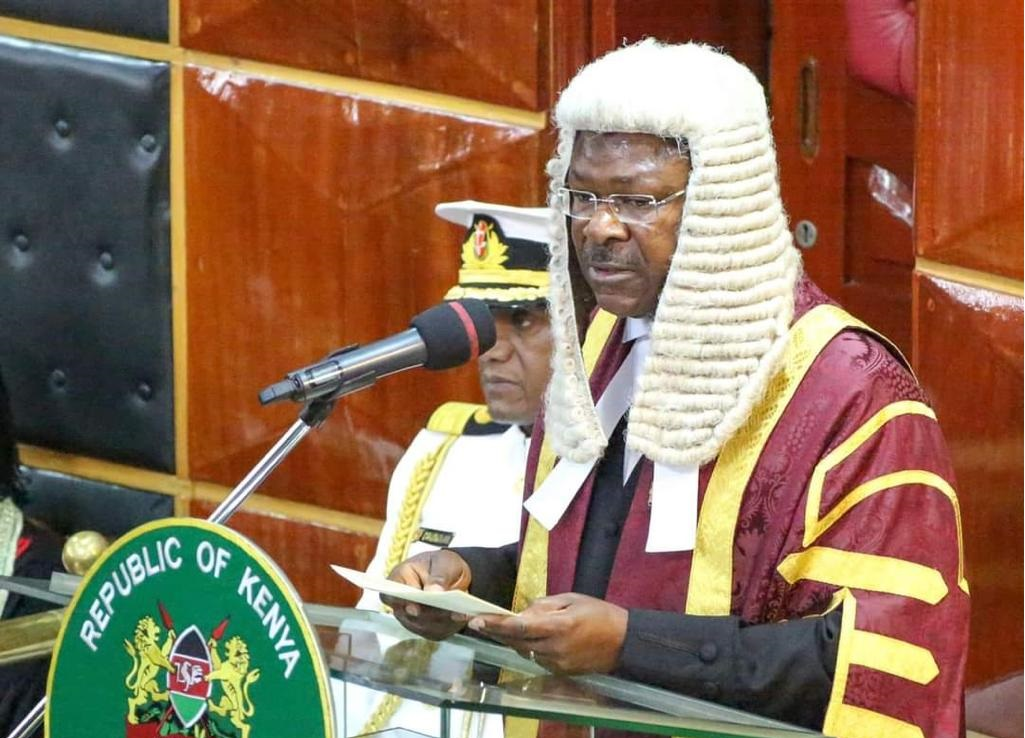
MP Proposes Public Funding for Independent Candidates in Political Parties Bill Amendment