






South Africa Unveils Tough New Immigration Rules as Ramaphosa Moves to Tighten Borders

South African President Cyril Ramaphosa has announced sweeping new immigration reforms aimed at tightening border controls, strengthening enforcement against undocumented migration, and overhauling the country’s identification systems in a move that could affect thousands of foreign nationals, including Kenyans living and working in South Africa.
The measures, unveiled during a national address on June 7, come amid growing public debate over immigration, unemployment and pressure on public services, with sections of the South African population increasingly calling for tougher action against illegal migration.
The reforms are expected to have far-reaching implications for migrants seeking employment opportunities in Africa’s most industrialised economy, as authorities prepare to intensify workplace inspections, strengthen border security and introduce new biometric identification systems.
Addressing the nation, Ramaphosa defended the government’s decision to tighten immigration controls, saying every country has a responsibility to safeguard its borders and enforce its laws.
“Every sovereign nation has a responsibility to know who enters its territory, why they are entering and how long they are permitted to stay. Secure borders are not a sign of hostility towards other countries; they are a fundamental requirement of a sovereign and well-governed state. Accordingly, we are taking further measures to secure our borders,” he said.
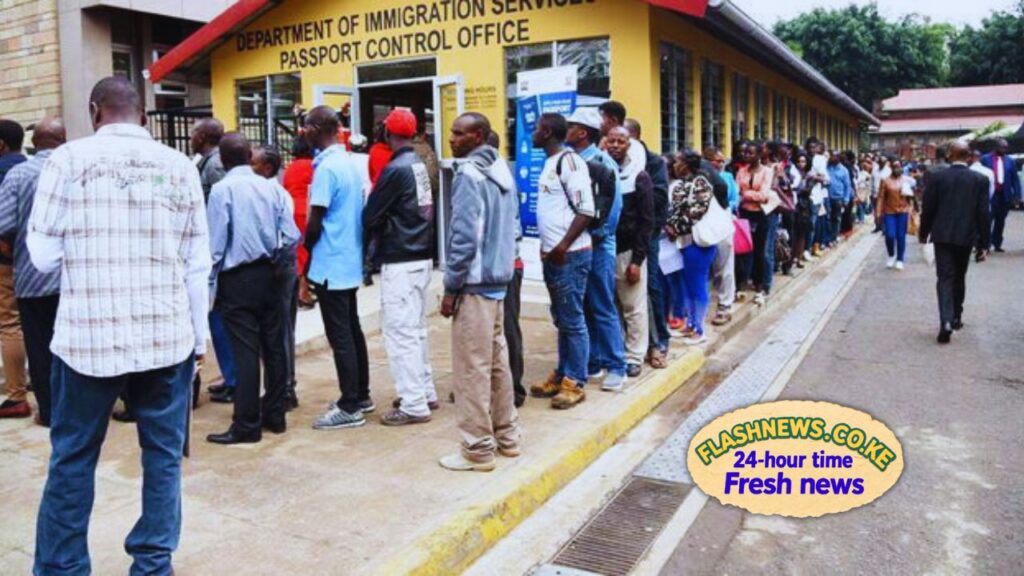
Under the new reforms, employers found repeatedly hiring undocumented migrants could face significantly tougher penalties, including possible prison sentences. Authorities also plan to increase inspections in sectors frequently associated with migrant labour, including transport, logistics and other labour-intensive industries.
Ramaphosa revealed that the government has already begun recruiting 10,000 inspectors who will be tasked with monitoring compliance and enforcing immigration regulations across the country.
In another major change, South Africa will gradually phase out its traditional paper-based green identity books and replace them with more secure biometric digital identification cards. The system will cover both South African citizens and legally documented foreign nationals.
The government is also planning substantial investment in border infrastructure, surveillance technology and additional personnel to strengthen monitoring at ports of entry and curb illegal migration.
Refugee reception centres will be relocated closer to border crossings, while a new biometric-based Intelligent Population Register will be introduced to reduce identity fraud and improve immigration management.
To accelerate enforcement, the government also intends to establish specialised courts dedicated to handling immigration-related cases, a move aimed at reducing case backlogs and speeding up prosecutions.
The reforms further include intensified anti-corruption operations targeting immigration officials accused of facilitating illegal entry, issuing fraudulent documentation and engaging in corrupt practices within the immigration system.
The announcement comes against the backdrop of recurring anti-immigration demonstrations in parts of South Africa, some of which have turned violent in recent years and fuelled concerns among foreign nationals residing in the country.
Several African nations, including Ghana, Nigeria, Malawi and Mozambique, have previously undertaken efforts to repatriate citizens affected by unrest linked to anti-foreigner sentiment.
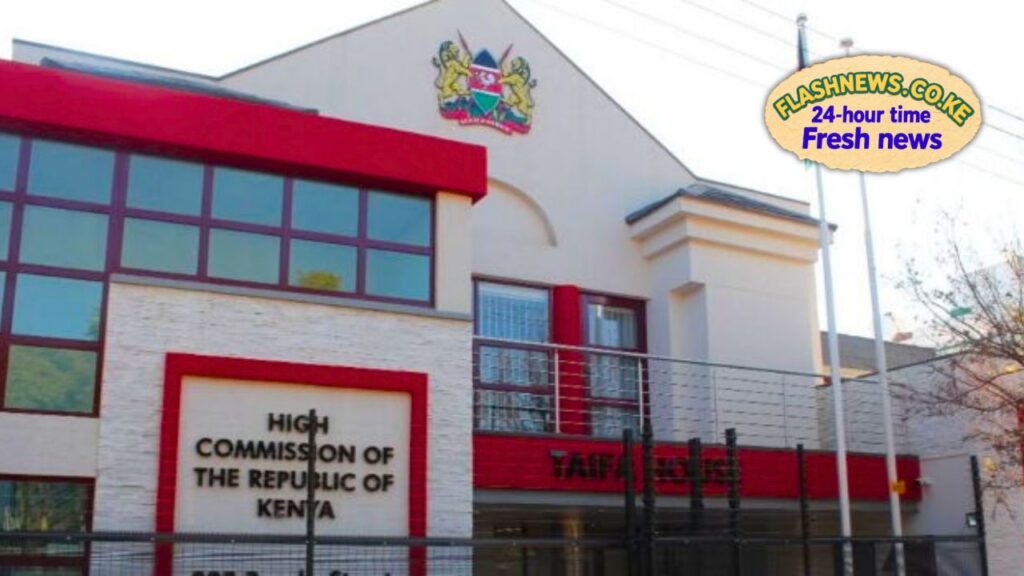
In May, Kenya’s diplomatic mission in Pretoria urged Kenyan nationals residing in South Africa to remain vigilant following demonstrations and isolated incidents targeting foreign communities.
Despite the tougher stance, Ramaphosa cautioned against blaming migrants for South Africa’s broader economic challenges. He argued that issues such as unemployment, poverty and inequality are rooted in deeper structural problems and that weaknesses in immigration management have contributed to public frustration.
His administration maintains that the reforms are designed to restore confidence in the country’s immigration system while ensuring that migration is managed in a lawful, transparent and orderly manner.
For many foreign nationals, however, the changes are likely to be closely watched as South Africa embarks on one of its most significant immigration policy overhauls in recent years.
Also Read: MP Kawaya Demands Justice After Three Men Killed by Mob in Machakos