

Error Triggers Higher Tax Deductions for Teachers





Thousands of teachers across Kenya were left stunned after receiving reduced June salaries, prompting widespread concern and anger over what many initially believed was a fresh tax increase.
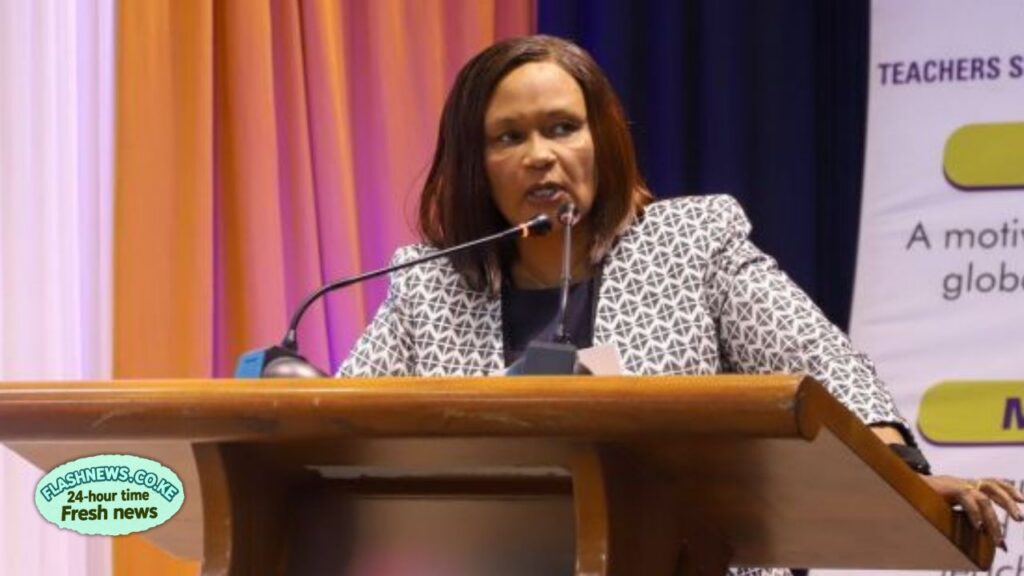
The Teachers Service Commission (TSC) has now moved to clarify the issue, attributing the unexpected rise in Pay As You Earn (PAYE) deductions to a payroll system error that was recently corrected.
In a statement issued on Wednesday, the Commission explained that a technical anomaly within its payroll system had inadvertently granted teachers and Secretariat staff a duplicate tax relief on National Social Security Fund (NSSF) contributions. The mistake, according to TSC, resulted in employees paying less tax than required under existing laws.
The Commission noted that the error emerged during the reconfiguration of the Integrated Personnel and Payroll Database (IPPD) system following changes introduced under the Tax Laws (Amendment) Act, 2024.
Under the revised law, contributions made towards the Affordable Housing Levy (AHL) Fund and the Social Health Insurance Fund (SHIF) became exempt from income tax. As a result, government payroll systems were updated to align with the new tax regulations.
However, TSC says the adjustment process inadvertently led to some employees receiving a duplicate NSSF tax relief, reducing their PAYE obligations beyond what the law allows.
“The June 2026 payroll corrected the anomaly to ensure accurate computation of PAYE in line with prevailing tax laws,” the Commission explained.
The correction immediately translated into higher PAYE deductions, reducing teachers’ take-home pay and sparking outrage across schools and online platforms.
Many teachers reported noticing an increase of approximately Ksh108 in income tax deductions compared to previous months, raising fresh concerns about their financial well-being amid the rising cost of living.
A spot check of June payslips showed that one teacher who normally takes home Ksh10,442 after deductions received Ksh10,334 this month, reflecting an additional deduction of Ksh108.
The unexpected reduction triggered criticism from teachers, many of whom accused the Commission of failing to communicate the changes in advance.
“What shocked teachers most is not just the deductions, but the silence before they appeared,” one teacher remarked during an online discussion forum, echoing sentiments shared by many affected employees.
Others questioned why payroll errors often seem to disadvantage workers when corrections are eventually implemented.
The controversy quickly spread across social media, where teachers demanded answers and clarification from the Commission.
Despite the backlash, TSC has defended the adjustment, insisting that the deductions do not represent a new tax and were necessary to align payroll records with existing tax legislation.
The Commission further maintained that the correction was aimed at ensuring compliance with statutory tax requirements and preventing future payroll discrepancies.
Nevertheless, the incident has reignited broader concerns about the shrinking disposable income of teachers, many of whom continue to grapple with rising household expenses, increased statutory deductions, and growing economic pressures.
For many educators, the June payslip controversy has once again highlighted the financial challenges facing public servants, with calls growing for greater transparency whenever payroll adjustments are made.
Also Read: Ruto Accuses Standard Media Owners of Exploiting Workers Amid Growing Feud