

Critical Metals Corp Among Firms Shortlisted for Kenya’s Multibillion-Shilling Mrima Hill Rare Earth Project





A U.S.-listed mining company has moved a step closer to securing one of Africa’s most strategically important critical minerals projects after being shortlisted by the Kenyan government to develop the world-class Mrima Hill deposit.
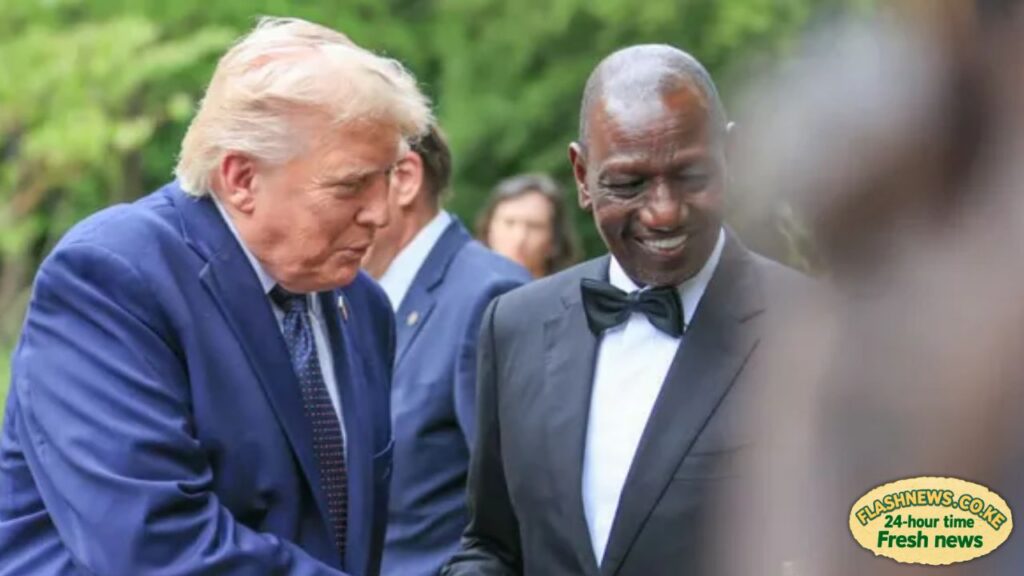
Critical Metals Corp has announced that its Mrima Earth Limited Consortium has advanced to the final stage of Kenya’s competitive tender process for the development of the Mrima Hill rare earth and niobium project in Kwale County.
The company confirmed the development in a statement issued on Thursday, July 23, describing the milestone as a significant step in its efforts to secure rights over one of the world’s largest undeveloped critical minerals deposits.
If selected, the consortium says it intends to develop the mine while establishing downstream mineral processing facilities in Kenya, supporting the government’s push to shift away from exporting raw minerals toward higher-value local beneficiation.
Mrima Hill is regarded as one of the world’s most significant undeveloped deposits of rare earth elements and niobium—minerals that have become increasingly valuable because they are essential in the manufacture of electric vehicles, wind turbines, semiconductors, aerospace equipment, defence systems and other advanced technologies.
Demand for rare earth minerals has surged in recent years as governments race to secure reliable supply chains for the global clean energy transition amid growing geopolitical competition over critical mineral resources.
Critical Metals said its consortium is supported by several strategic partners, including European Lithium Limited, with the combined market value of participating companies estimated at approximately KSh194 billion, providing financial capacity to develop the project.
“Being shortlisted is a significant milestone for Critical Metals and our partners,” the company said.

“Mrima Hill represents a world-class asset with the potential to deliver long-term value to Kenya and our shareholders. We believe our consortium is uniquely positioned to responsibly develop this strategic resource while supporting Kenya’s broader industrial ambitions.”
According to the company, its development strategy is designed to accelerate production compared with conventional mining projects while ensuring that mineral processing takes place within Kenya instead of exporting unprocessed ore overseas.
The consortium said local processing would enable Kenya to capture more value from its mineral resources through manufacturing, job creation, skills transfer and increased export earnings.
Competition Intensifies
Critical Metals is not the only international mining company pursuing the coveted licence.
Australian miner RareX, which has partnered with Iluka Resources in a separate consortium, also confirmed that it had been shortlisted and believes it remains well positioned to secure the project.
RareX said it has been preparing its bid since 2022 and expects the Kenyan government to announce the successful bidder during the coming quarter.
“The Company believes that it is well positioned in the competitive tender process,” RareX said in its market update.
However, the company cautioned shareholders that there is no certainty its consortium will ultimately receive the prospecting licence, noting that the final decision remains entirely with the Government of Kenya.
If successful, RareX said the project would add another globally significant critical minerals asset to its portfolio while strengthening its strategic partnership with Iluka Resources.
Kenya’s Push for Value Addition
The race for Mrima Hill comes as President William Ruto’s administration intensifies efforts to ensure Kenya—and Africa more broadly—benefits from the rapidly growing global demand for critical minerals.
The government has repeatedly stated that future mining projects should prioritise local processing and value addition instead of exporting raw materials, arguing that the approach would generate more employment, industrial investment and export revenues.

Speaking during the Africa Forward Summit in Nairobi in May, President William Ruto urged African nations to abandon the long-standing model in which raw minerals are exported while manufacturing and technological innovation occur overseas.
“We cannot accept a future in which Africa simply exports raw green minerals while industrial value addition, advanced manufacturing and technological innovation take place elsewhere,” Ruto said.
The President argued that Africa’s vast reserves of critical minerals should become the foundation for industrialisation across the continent by creating jobs, expanding manufacturing capacity and increasing exports rather than allowing most of the economic value to be realised abroad.
The outcome of the Mrima Hill tender is expected to be closely watched by global mining investors, as it could shape Kenya’s ambitions to position itself as a regional hub for critical minerals processing amid rising international competition for secure supplies of rare earth elements.
Also Read: Babu Owino Signals ODM Exit, Announces Plans to Launch National Party