






CBK Confirms Kenya Is Closing In on Ksh77.5 Billion World Bank Lifeline Amid Economic Pressures
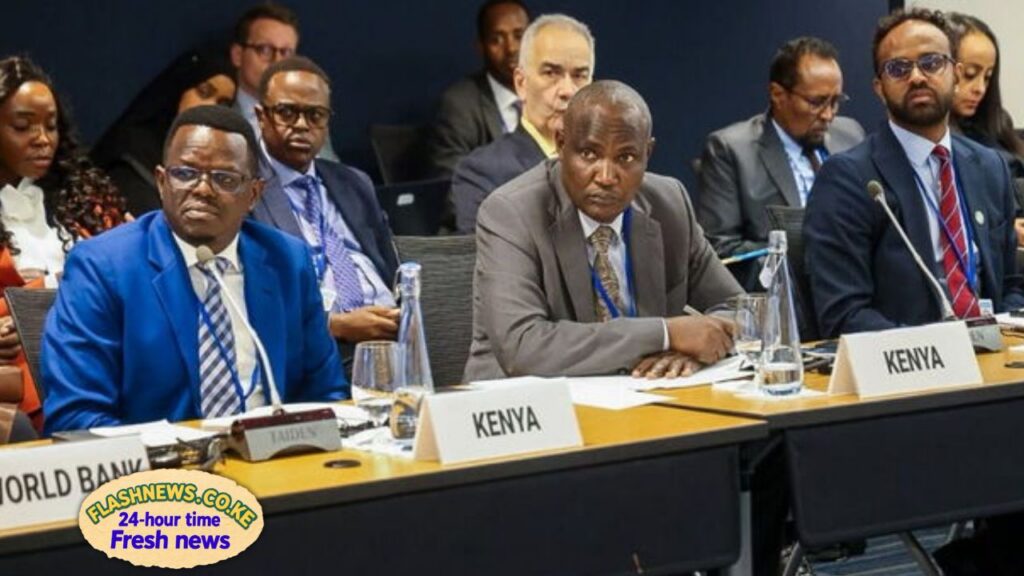
Kenya is edging closer to securing a major financial boost from the World Bank, with Central Bank of Kenya (CBK) Governor Kamau Thugge confirming that negotiations for a Development Policy Operation (DPO) loan are now at an advanced stage.
Speaking during a post-Monetary Policy Committee (MPC) briefing in Nairobi on Wednesday, June 10, Thugge revealed that discussions between the Kenyan government and the World Bank were progressing steadily and could soon be presented to the lender’s board for approval.
The anticipated financing package, estimated at approximately Ksh77.5 billion (USD600 million), is expected to provide critical support to Kenya’s economy as the country grapples with mounting global economic uncertainties linked to the ongoing conflict in the Middle East.
“We are in the process of discussing with the World Bank on the DPO, and I hope that the DPO will go to the World Bank Board for discussion fairly shortly,” Thugge told journalists.
While the CBK governor acknowledged that no funds have yet been released, he expressed confidence that the process is nearing completion.
“There has not been any disbursement regarding the emergency financing. That has not started yet, but there is an ongoing discussion which we hope will be finalised shortly,” he added.

Kenya Seeking Emergency Economic Cushion
Although Thugge did not disclose the exact amount under negotiation, previous government statements have indicated that Kenya is seeking between Ksh74.9 billion (USD580 million) and Ksh77.5 billion (USD600 million) through the World Bank’s emergency financing window.
The proposed support package was first disclosed in April after the government warned that the escalating conflict in the Middle East posed significant risks to Kenya’s economy.
National Treasury Cabinet Secretary John Mbadi had indicated that the funds would help cushion the country against the ripple effects of global oil market disruptions, rising fuel prices, and increased import costs.
Kenya remains particularly vulnerable to fluctuations in global energy markets due to its heavy dependence on imported petroleum products, much of which originates from Gulf nations affected by the ongoing regional instability.
Economists have warned that prolonged disruptions in oil supply chains could increase inflationary pressures, raise transportation costs, and slow economic growth.
Interest Rate Held Steady Amid Global Uncertainty
The latest update on the World Bank financing came just a day after the Central Bank opted to retain its benchmark lending rate at 8.75 per cent for the third consecutive Monetary Policy Committee meeting.
According to the MPC, the decision was influenced by growing concerns over global oil prices and the broader economic implications of continued tensions in the Middle East.
Recent data shows that inflation rose from 5.6 per cent in April to 6.7 per cent in May. Despite the increase, inflation remains within the government’s target range of 5 per cent, plus or minus 2.5 percentage points.
Thugge cautioned that inflationary pressures could intensify if global energy prices continue to climb.
“Inflation is expected to increase in 2026 on account of higher oil prices and the situation in the Middle East,” he said.
Growth Forecast Revised Downward
In a further indication of the challenges facing the economy, the Central Bank revised Kenya’s 2026 economic growth forecast downward from 5.3 per cent to 4.9 per cent.
The downgrade reflects concerns over higher import costs, weaker export earnings, and broader disruptions linked to the international conflict.
Among the sectors expected to face pressure are key export industries such as tea, which remains one of Kenya’s largest foreign exchange earners.
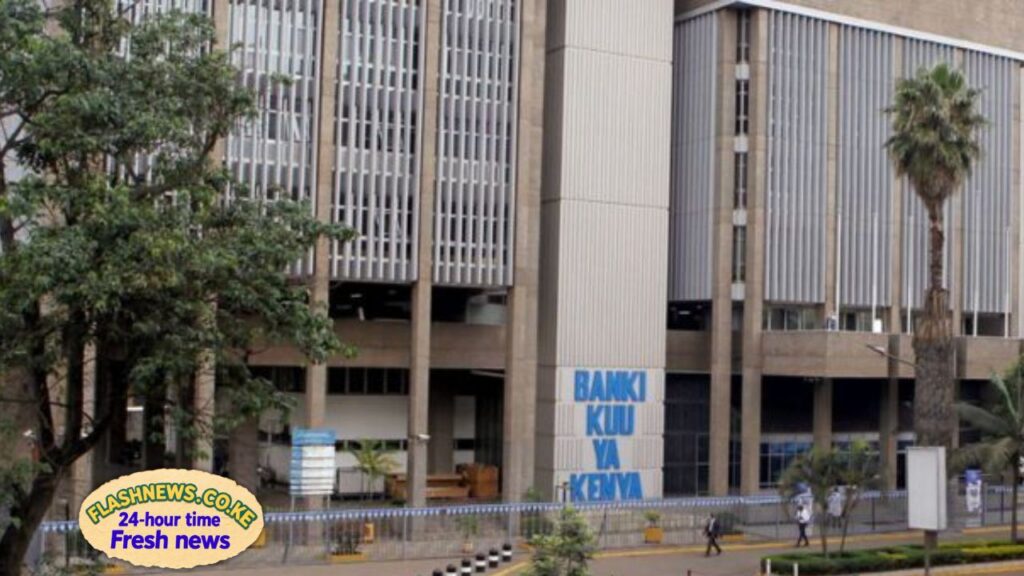
Despite the challenges, the CBK governor maintained that the Kenyan shilling is expected to remain relatively stable.
According to Thugge, strong foreign exchange reserves, steady export receipts, robust diaspora remittances, and adequate import cover continue to provide support for the local currency.
Should the World Bank approve the facility, the funds would provide the government with additional fiscal space at a time when policymakers are seeking to shield households and businesses from external economic shocks while maintaining macroeconomic stability.
Also Read: Kenyans in U.S. Face Tougher Deportation Rules Under New DHS Directive