

Family of American Killed in DusitD2 Terror Attack Sues Iran in US Court





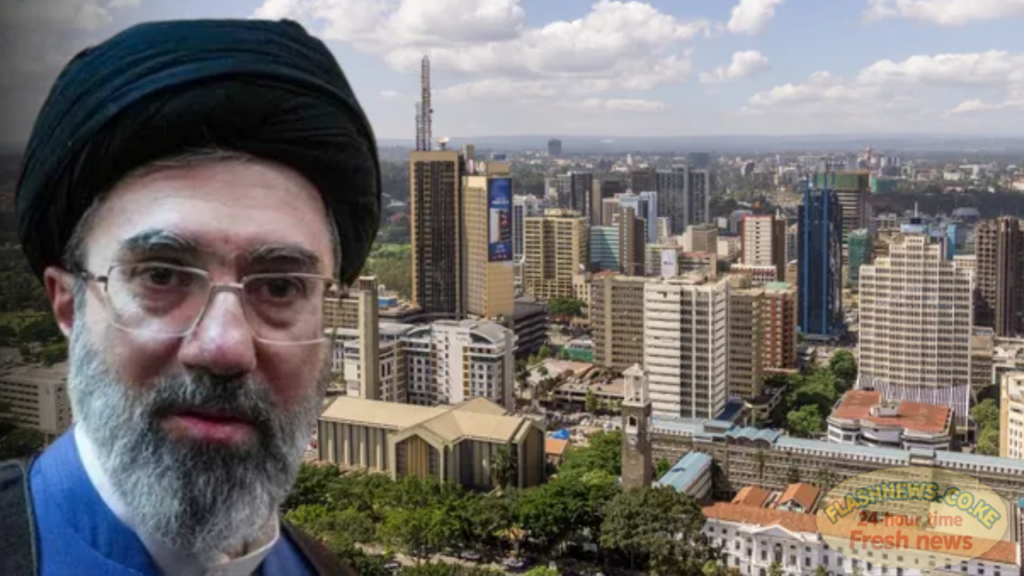
The family of Jason Spindler, the American businessman killed in the 2019 DusitD2 terror attack in Nairobi, has launched a legal battle against Iran, accusing Tehran of supporting a militant network they say helped enable the deadly assault.
Relatives of Spindler have filed a lawsuit in a US federal court in Washington, seeking damages over his death and alleging that Iran’s Islamic Revolutionary Guard Corps (IRGC) and its elite Quds Force provided assistance to al-Shabaab and associated militant networks.
The claims, contained in court documents filed on Thursday, August 6, have not been established in court. Iran has not been publicly determined by Kenyan or US authorities to have directed the DusitD2 attack, and the allegations will now be tested through litigation.
Spindler, a 40-year-old American businessman and co-founder of I-DEV International, was among 21 people killed when al-Shabaab militants stormed the 14 Riverside Drive complex in Nairobi’s Westlands area on January 15, 2019.
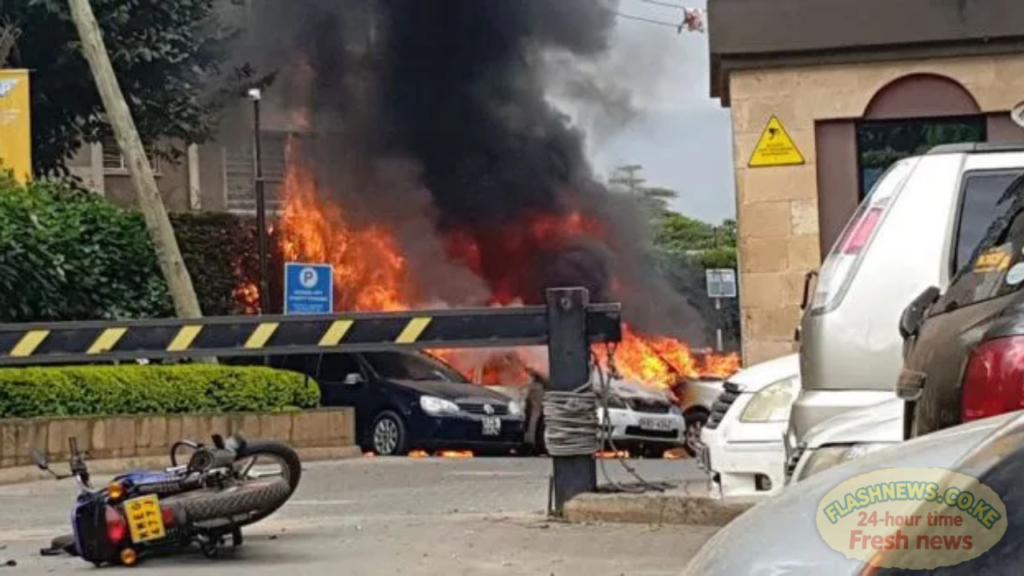
The attack began with a suicide bombing before four armed militants entered the complex, using guns and grenades against people inside the hotel and surrounding businesses. A United Nations report later documented the sequence of the attack and confirmed the 21 civilian victims.
Family points to alleged Iranian support
Spindler’s relatives argue in their lawsuit that Iranian state-linked organisations provided weapons, funding, training or logistical assistance to militant groups operating in the region.
The family cites US and United Nations material as part of its case and seeks to establish a legal connection between alleged Iranian support for militant organisations and the circumstances that ultimately led to Spindler’s death.
That argument could make the case significant beyond the compensation sought by the family, as it attempts to connect a terrorist attack in East Africa to an alleged state-backed network extending into the Middle East.
However, the allegations remain allegations. The filing does not by itself establish that Iranian officials ordered, financed or directly participated in the Nairobi operation.

A deadly attack that shocked Nairobi
The DusitD2 assault became one of the most significant terrorist attacks in Nairobi in recent years.
Al-Shabaab claimed responsibility for the operation and said it was targeting Western and Israeli interests. The group also linked the attack to then-US President Donald Trump’s recognition of Jerusalem as Israel’s capital and the subsequent relocation of the US Embassy from Tel Aviv to Jerusalem, according to material cited in reporting on the attack.
Kenyan security forces eventually killed the attackers and secured the complex after an operation that lasted for hours.
At the time, the US State Department condemned the attack and expressed particular condolences to Spindler’s family, describing the assault as another reminder of the threat posed by violent extremism.
Spindler’s death carried an especially painful history. His father said the Houston-raised businessman had also been caught up in the aftermath of the September 11, 2001 attacks in New York, having been working near the World Trade Center and surviving that tragedy.
His father, Joseph Spindler, described his son as someone determined to make a difference through his work in emerging markets.
Lawsuit opens new legal front
The case now places the 2019 Nairobi attack in the context of a much broader dispute over alleged state sponsorship of militant organisations.
The family’s legal strategy will require the court to consider whether the evidence presented is sufficient to establish a legally actionable connection between Iran, the alleged support networks and the circumstances surrounding Spindler’s death.
The proceedings could therefore draw renewed attention to the international financing and support structures surrounding militant groups operating across the Middle East and Africa.
For Spindler’s relatives, however, the case is ultimately about accountability for a death that occurred thousands of miles from Washington and Tehran.
More than seven years after the attack, they are asking a US court to determine whether Iran should bear financial responsibility for the loss of a family member killed in one of Nairobi’s most devastating terrorist attacks.
Also Read: Mike Sonko’s Home Catches Fire as Emergency Crews Race to Scene