






Former Deputy President Rigathi Gachagua has secured an early procedural victory in the ongoing legal battle challenging his impeachment after a three-judge bench admitted a supplementary affidavit detailing his health condition during the dramatic proceedings that led to his removal from office in October 2024.
The ruling, delivered by a bench that included Justice Eric Ogolla, rejected objections raised by lawyers representing Parliament and the Office of the Attorney General, who had sought to have the affidavit struck out from the court record.
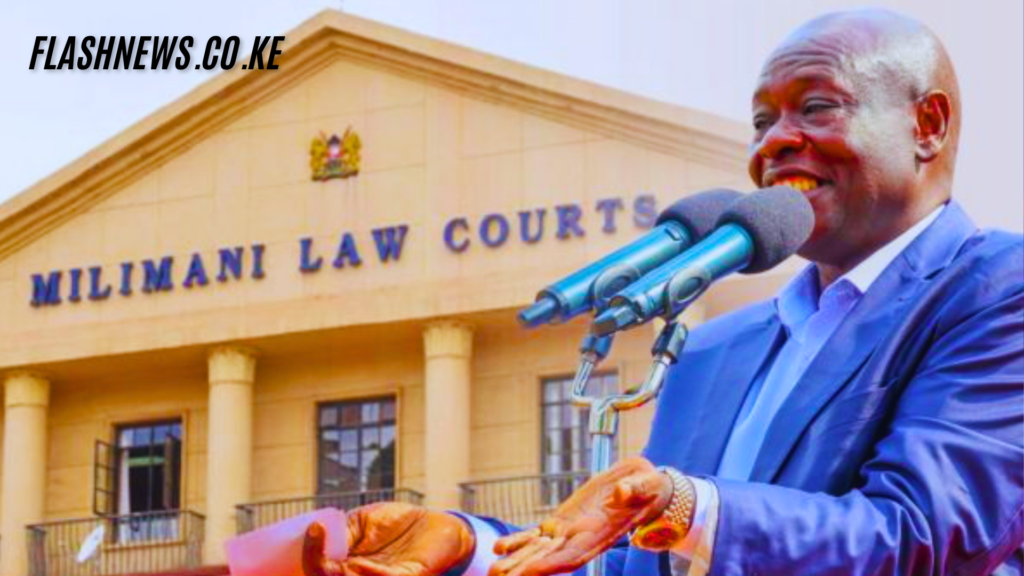
The affidavit, filed by Gachagua’s legal team, reportedly outlines the former deputy president’s medical condition during the impeachment hearings and seeks to explain circumstances surrounding his absence and treatment at the time the Senate concluded proceedings against him.
In a ruling seen as a significant boost for Gachagua’s legal strategy, Justice Ogolla held that the affidavit had been properly filed and ought to remain part of the case in the interest of justice.
“The affidavit, duly filed, is properly on record in the wider interest of justice,” Justice Ogolla ruled.
The decision now allows the court to consider the contested medical evidence as part of the wider constitutional challenge surrounding Gachagua’s impeachment, a process that has remained politically charged months after his ouster.
Lawyers representing Parliament, led by Senior Counsel Githu Muigai and Tom Ojienda, had mounted a strong objection to the affidavit, arguing that the fresh evidence had been introduced without leave of the court and contained serious allegations requiring independent verification.
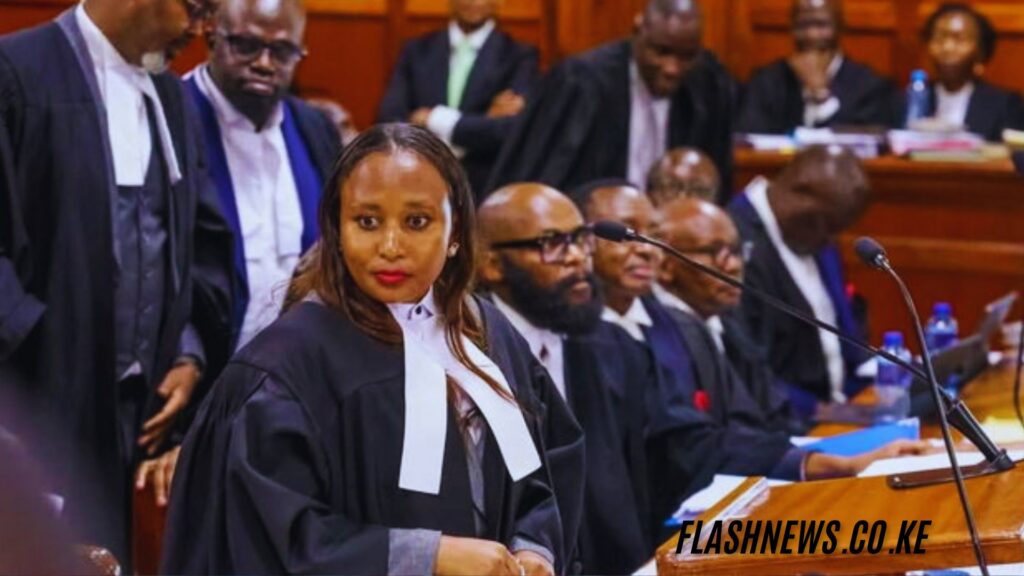
“There is no other proper way to deal with this affidavit other than to strike it out,” one lawyer representing Parliament submitted during the proceedings.
The respondents further took issue with claims contained in the affidavit suggesting that President William Ruto allegedly contacted Karen Hospital to inquire about Gachagua’s condition during the impeachment period.
According to the legal team representing Parliament, such claims required formal rebuttal and verification before being admitted into evidence.
Ojienda also questioned inconsistencies in the timeline presented by Gachagua’s lawyers regarding the former deputy president’s whereabouts during the Senate proceedings.
“The time spent in the Senate negates the submissions by learned senior counsel Paul Mwite to the Senate. He did not know where the deputy president was on the 17th,” Ojienda argued before the bench.
However, Gachagua’s lawyers defended the supplementary affidavit, insisting it was necessary to provide context on the former deputy president’s health status and the circumstances under which the impeachment proceedings continued.
The impeachment of Gachagua marked one of the most dramatic political fallouts within President Ruto’s administration, exposing deep divisions within the Kenya Kwanza coalition and triggering a prolonged legal and political confrontation.
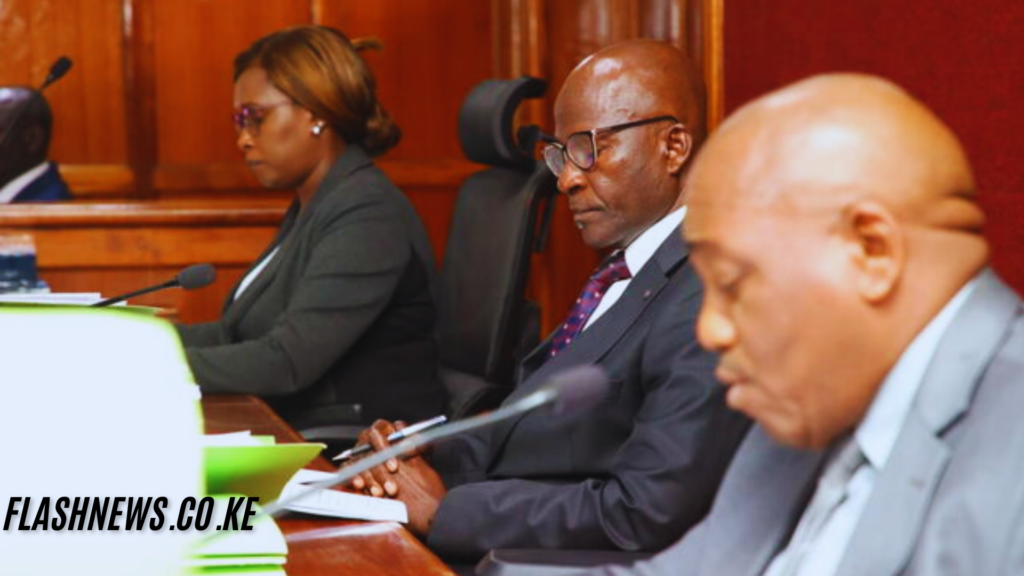
The court’s decision to retain the affidavit is expected to shape subsequent hearings as judges examine whether the impeachment process met constitutional standards and whether Gachagua’s rights were violated during the proceedings.
Also Read: Mudavadi names four dangerous regions where Kenyans are being trafficked