


The government has handed over 435 cattle to Samburu residents whose livestock were reportedly killed during a multi-agency security operation launched on September 19, 2026.
The compensation exercise took place on Sunday, November 8, during the Maa Cultural and Tourism Event at the Maasai Mara National Reserve.
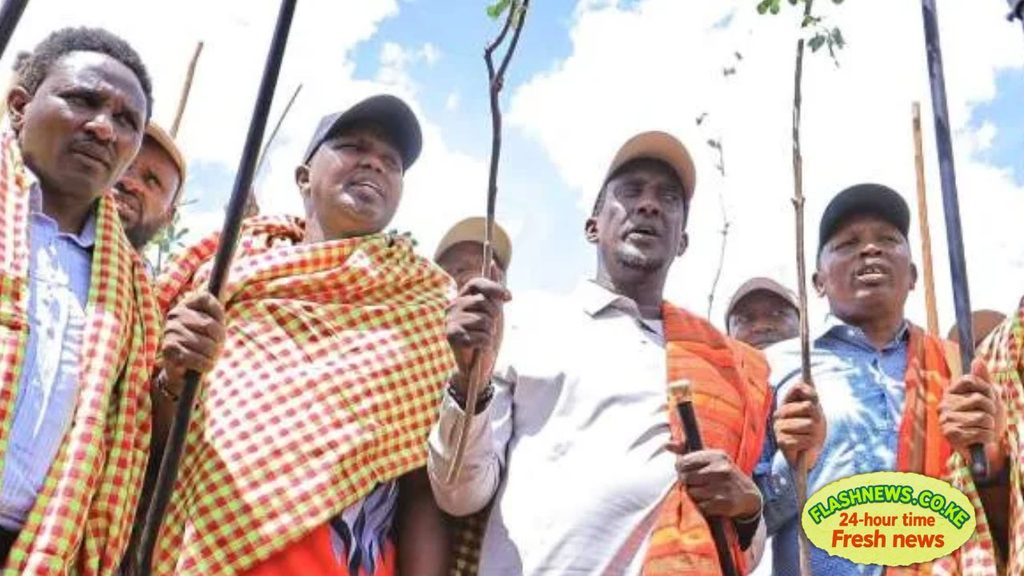
The handover was led by Narok Governor Patrick Ole Ntutu, Samburu Governor Jonathan Lati Lelelit and Kajiado Governor Joseph Ole Lenku.
Footage from the event showed hundreds of pastoralist families receiving cattle from the county leaders. Traditional cultural activities, including cleansing ceremonies, were also conducted as part of the handover.
The compensation follows weeks of protests and demands by Samburu residents and community leaders, who have been seeking government intervention after livestock were killed during the security operation.
Samburu residents demand more than KSh70 million
The affected families had demanded more than KSh70 million in compensation after police allegedly killed over 700 livestock belonging to 43 families during the operation.
On October 2, Samburu Governor Jonathan Lati Lelelit led residents in presenting a petition to the National Assembly’s Security Committee, calling for compensation and accountability over alleged misconduct by security officers.
Speaking during the petition, Lelelit maintained that the affected families were innocent and deserved compensation for their losses.
“We have talked to the victims. They are innocent, and even the CS for Interior admitted there were transgressions in the operation. We are not asking for too much, but compensation for their mistakes,” the governor stated.
However, the reported number of livestock killed has been disputed.
While local leaders and community representatives estimated the losses at between 700 and 764 animals, Interior Cabinet Secretary Kipchumba Murkomen cited police records indicating that 237 livestock had been killed.
The disagreement over the figures has been central to the compensation demands, with residents insisting that the losses severely affected their livelihoods.
Livestock losses leave pastoralist families struggling
For many households in Samburu, livestock are a major source of income, food and financial security.
The reported deaths of hundreds of cattle therefore raised concerns about the ability of affected families to provide for their households, educate their children and maintain their livelihoods.
Local leaders and the Maa Association have argued that the losses went beyond the value of the animals, affecting the economic stability of entire families.
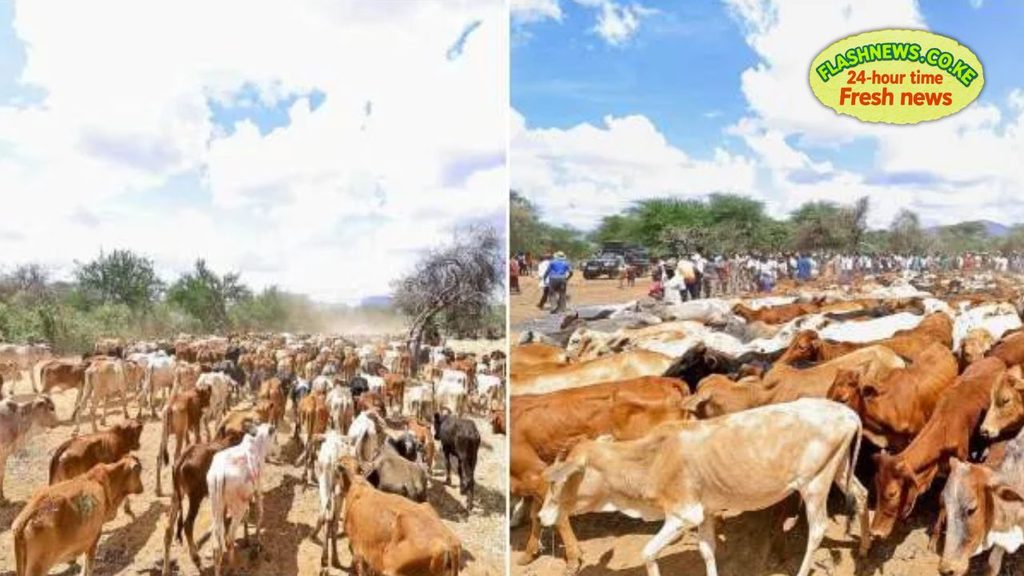
The November 8 handover marks a significant development in the compensation dispute, although it remains unclear whether the 435 cattle will fully address the losses reported by the affected families.
Protests followed government compensation demands
The handover comes weeks after Samburu pastoralists and community leaders staged protests at government offices and Parliament in October 2026.
The demonstrators called on the government to compensate families whose livestock were killed during the security operation and demanded accountability from officers involved.
Interior CS Kipchumba Murkomen had initially rejected the compensation demands, citing the absence of a clear legal framework for such payments.
However, he pledged that action would be taken if investigations established that police officers had unlawfully killed the animals.
Why the security operation was launched
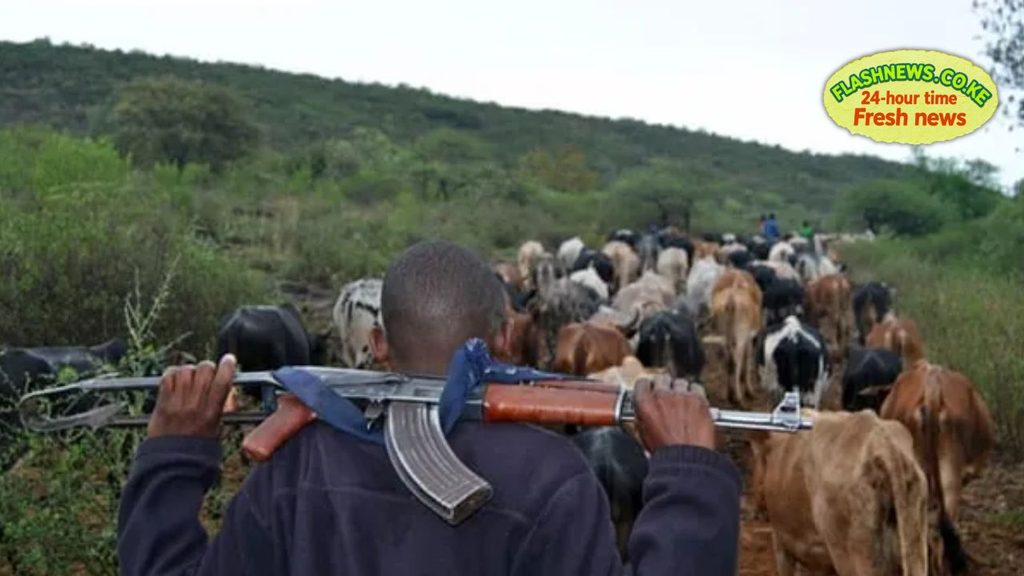
The multi-agency security operation began on September 19, 2026, as part of government efforts to tackle banditry, recover illegal firearms and restore security in Samburu.
The crackdown followed a series of deadly attacks and cattle raids in the region and neighbouring counties.
It came after an ambush on September 16 in which five people were killed. Between June and September 2026, a further 14 people reportedly died and 17 others were injured in incidents across Samburu, Meru and Isiolo.
Although the operation was intended to address insecurity, the killing of livestock triggered a dispute between affected residents and the government over the scale of the losses and the need for compensation.
The distribution of 435 cattle on November 8 is therefore an important step in addressing the grievances of Samburu pastoralists. However, questions remain over whether further compensation will be provided to families who say their livestock losses have not been fully addressed.
Also Read: Murkomen Explains Why Paul Mackenzie Will Serve 200-Year Sentence in Separate Custody